
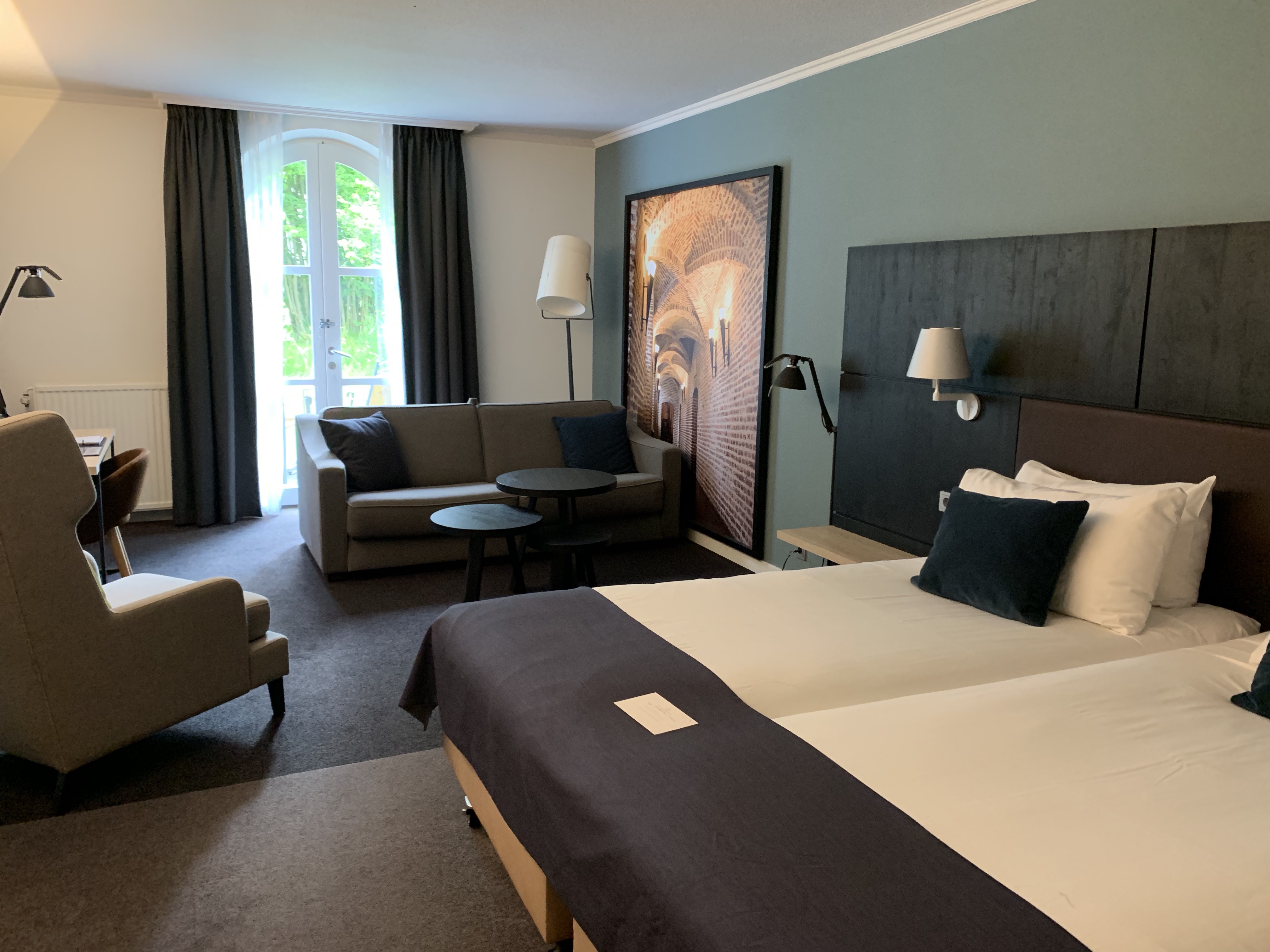
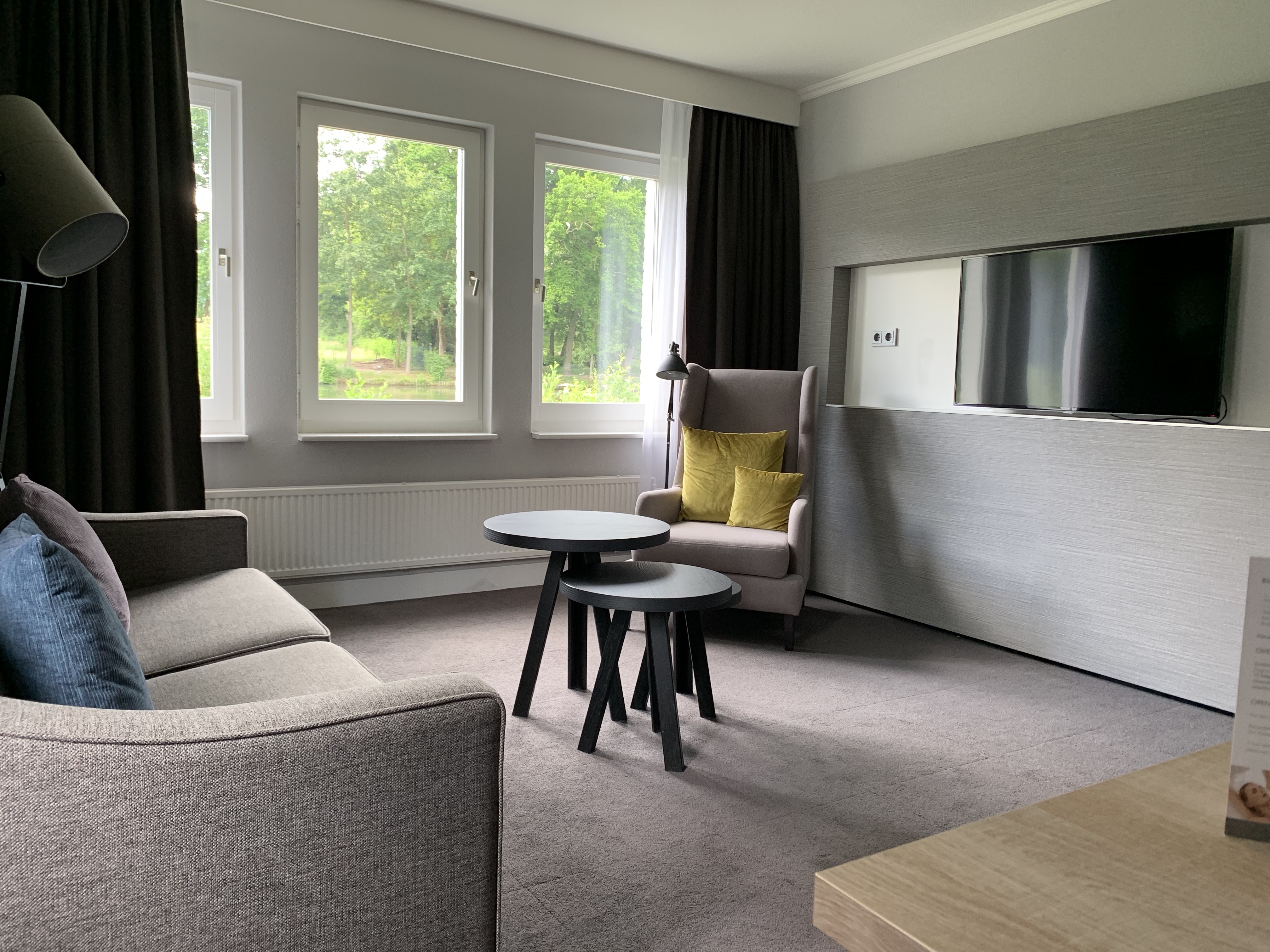
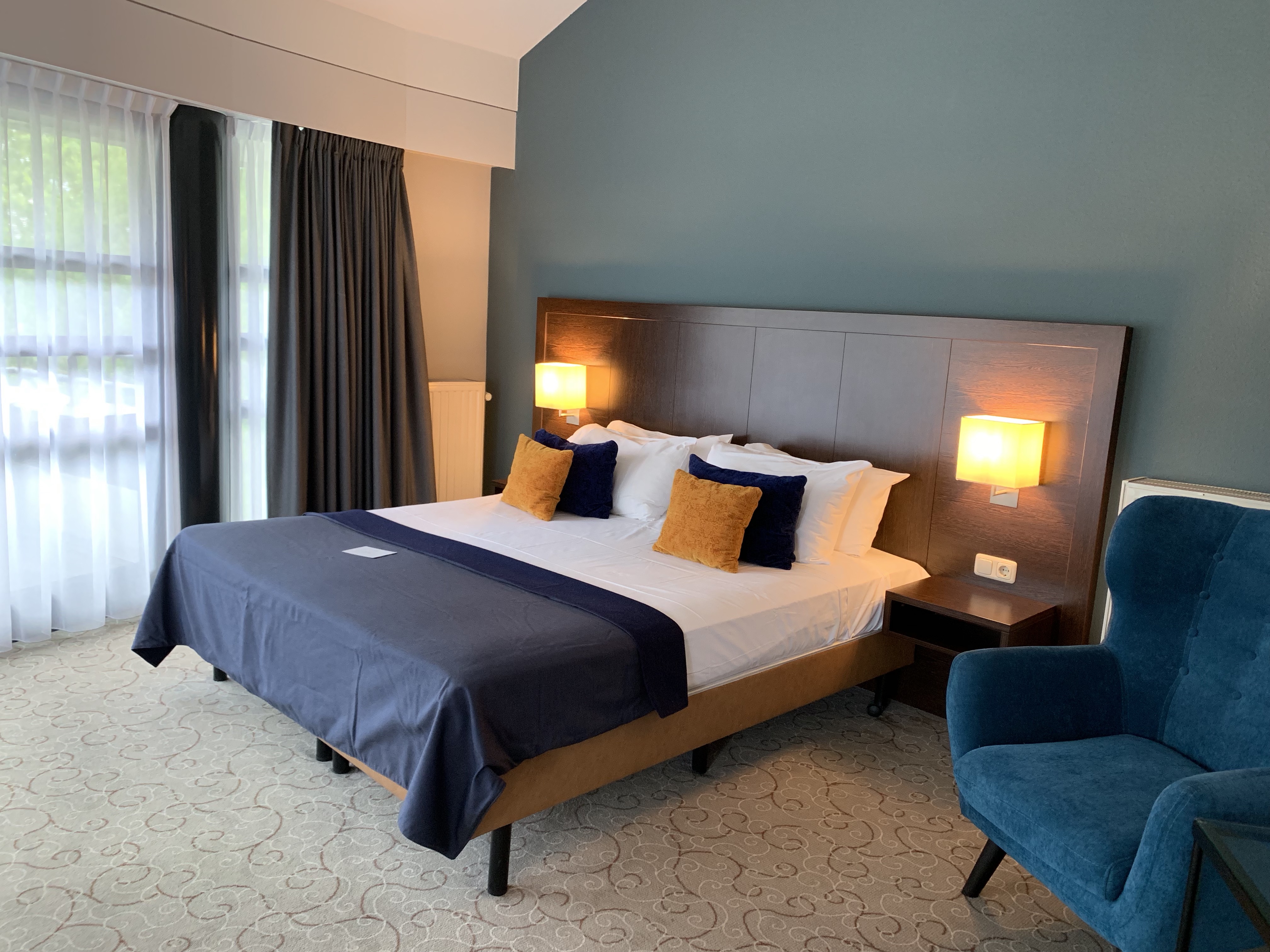
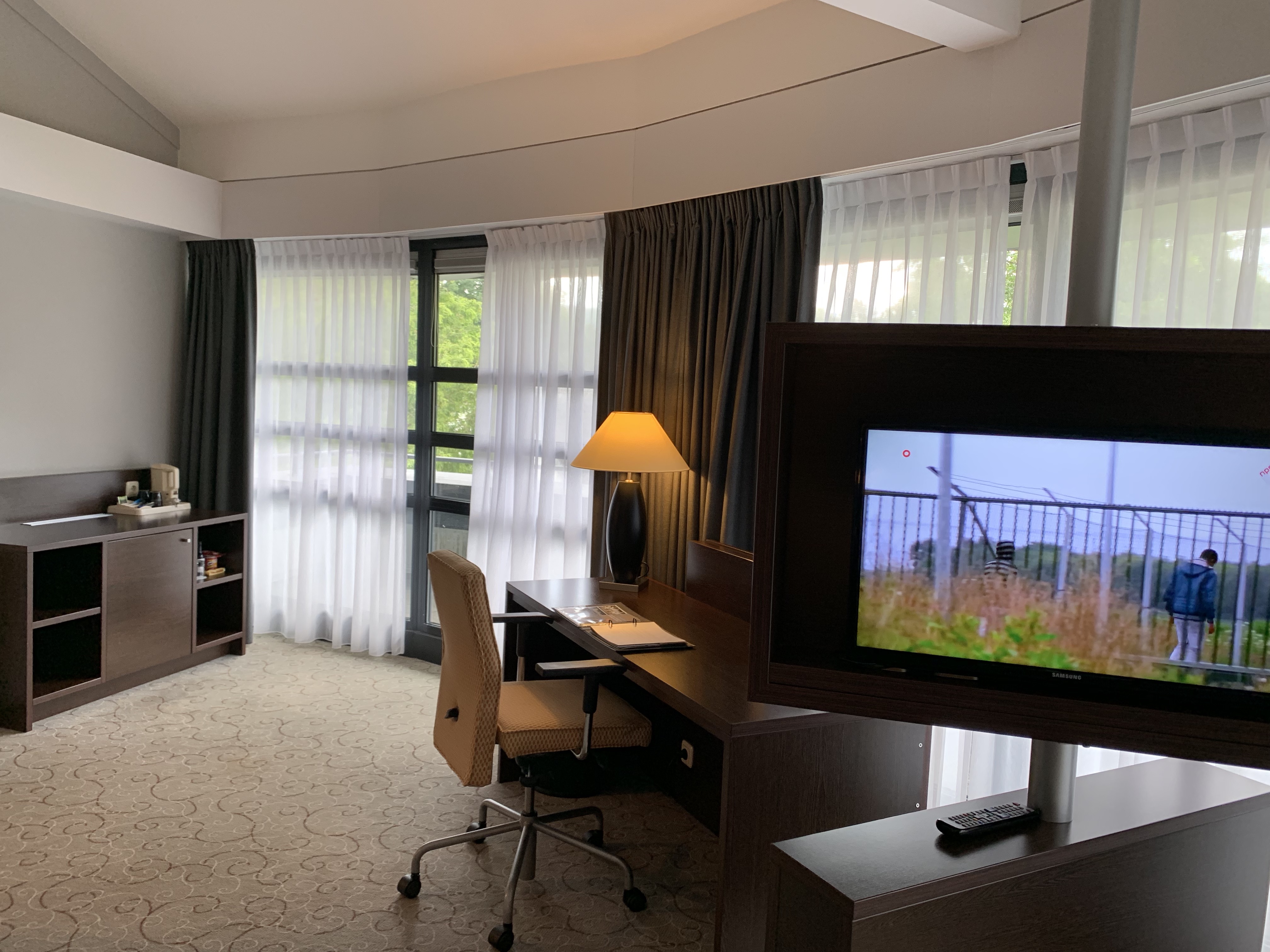
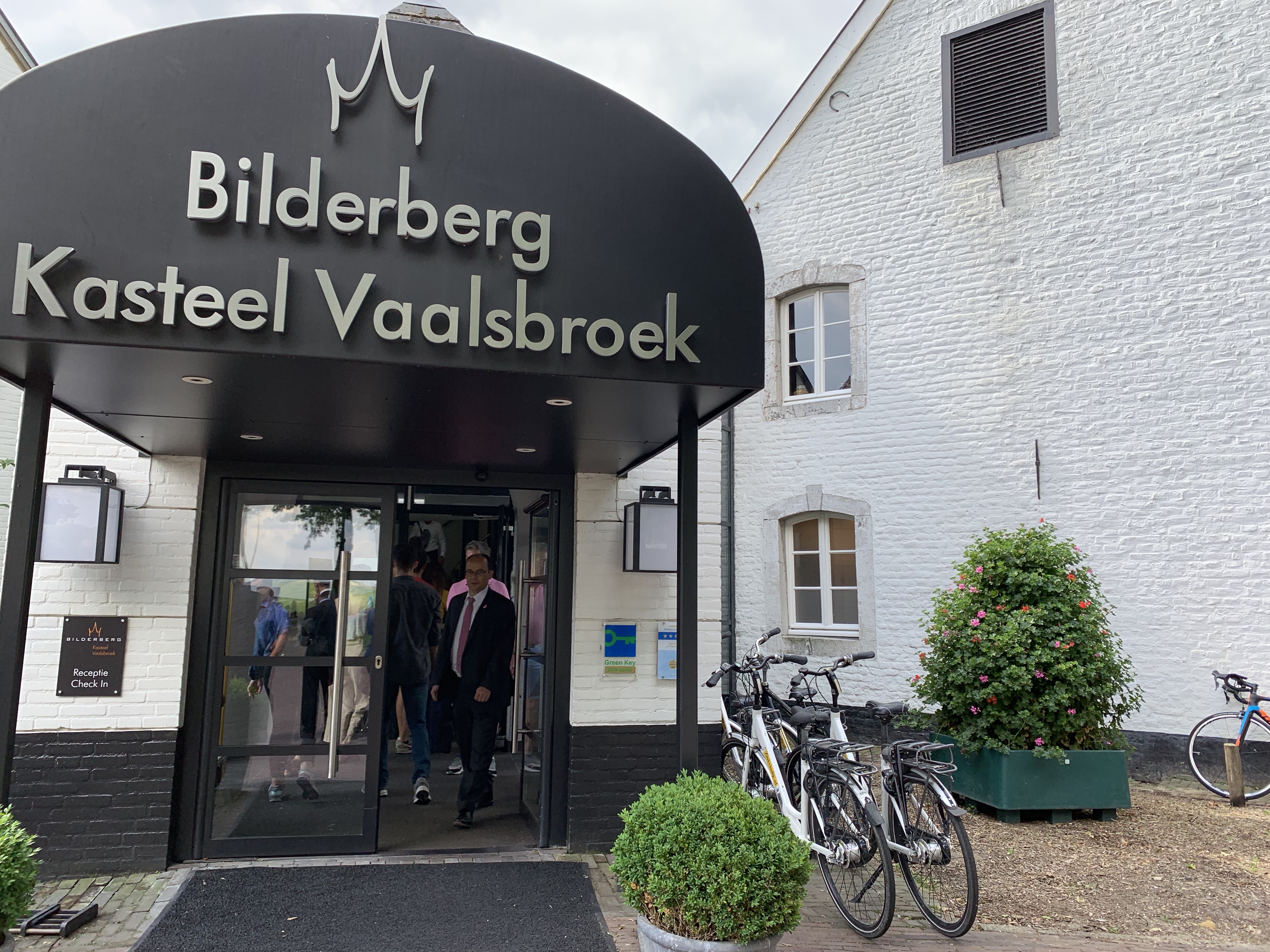
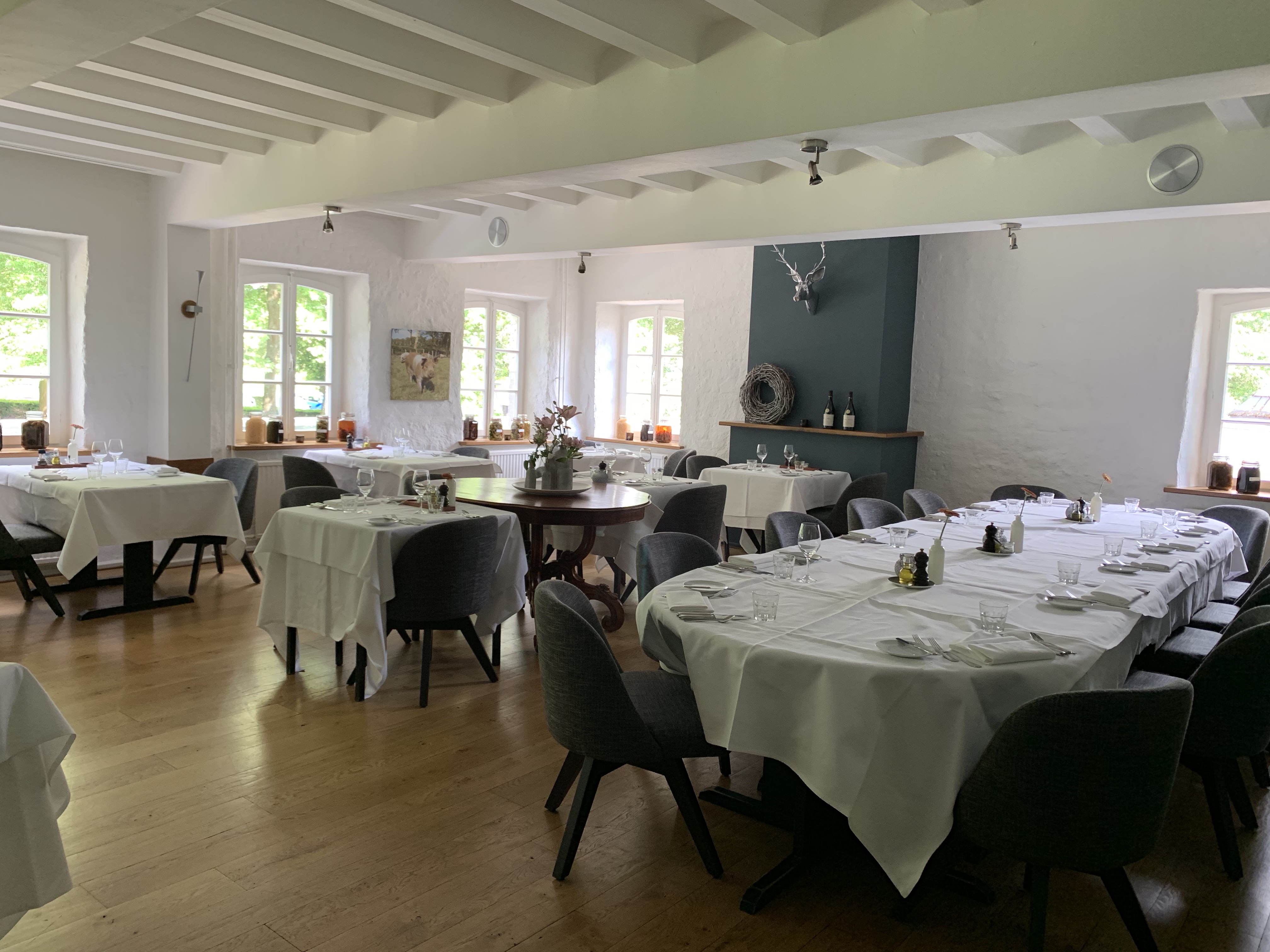
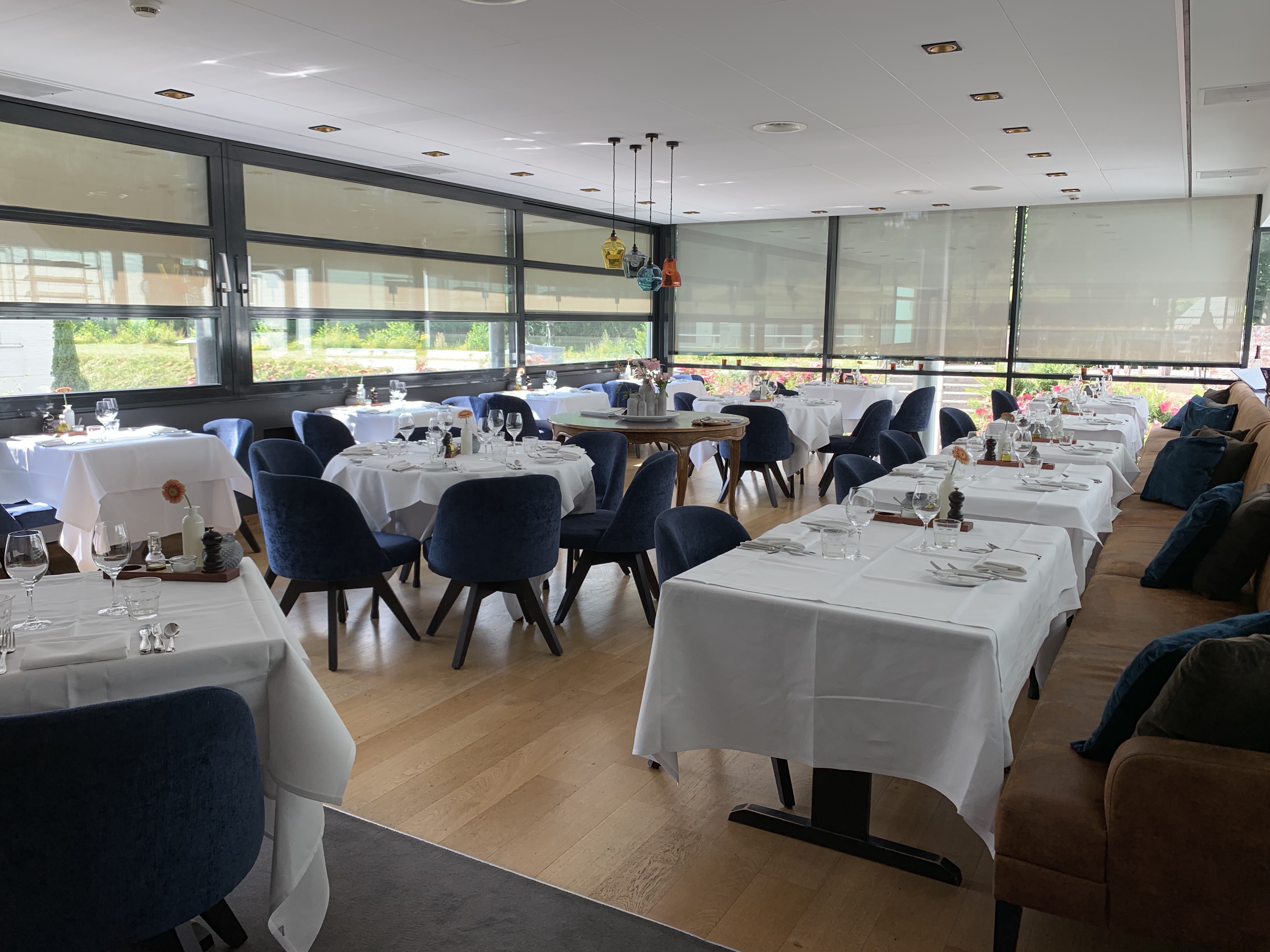
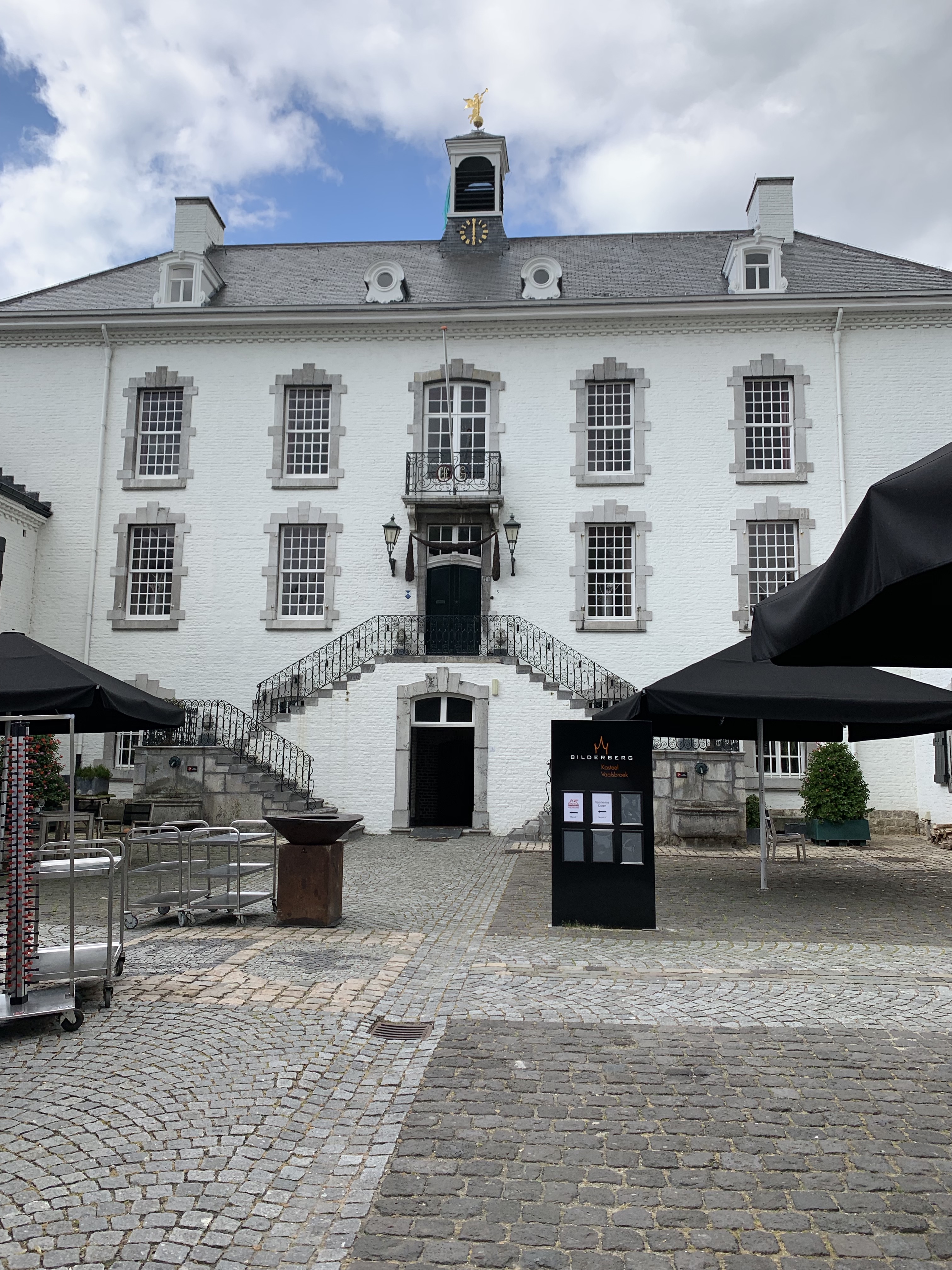
To start off our day my International Environmental Law and Sustainability and Global Corporate Leadership class went to Vaals, Netherlands where we got to tour Bilderberg Kasteel Vaalsbroek, a hotel and castle in the picturesque hills of Limburg, near the tri-point of the Netherlands, Belgium and Germany, as well as Maastricht and Aachen. During the tour we learned that Bilderberg Kasteel Vaalsbroek was constructed in 1420 and the hotel has been ensuring outstanding service for over 100 years. There are 130 stylish rooms/suites in the hotel wing adjacent to the castle with a private patio and fantastic view of the hotel grounds along with 23 conference rooms. Inside the hotel, there is an al a carte restaurant in two contrasting styles along with a bistro which was constructed around an old water mill that is still preserved inside. Currently, Bilderberg Kasteel Vaalsbroek specializes in business customers. Nevertheless, they also host weddings almost every weekend and have a good tourist clientele.
The castle adjacent to Bilderberg Kasteel Vaalsbroek was constructed in the 15th century by Johann Arnold von Clermont, a very influential textile magnate. He played a significant part in not only building the castle but also in managing the business aspects of the property. He cared for the people that came through, especially artists and musicians. He allowed them to stay for free as long as they shared their talents during their stay. Inside the castle guests can even enjoy a delicious meal at the restaurant, ‘In de Oude Watermolen’, which is renowned for its use of local ingredients and seasonal dishes.
Surprisingly I found the hospitality industry in the Netherlands to be quite similar to the United States. In both countries, the facilities that they provide range from a modest-quality mattress in a small room to large suites with bigger, higher-quality beds, a dresser, a refrigerator, and other kitchen facilities, upholstered chairs, a flat screen television, and en-suite bathrooms. Additional guest facilities are also available such as a swimming pool, business center (with computers, printers, and other office equipment), childcare, conference and event facilities, tennis or basketball courts, gymnasium, restaurants, day spa, and social function services.
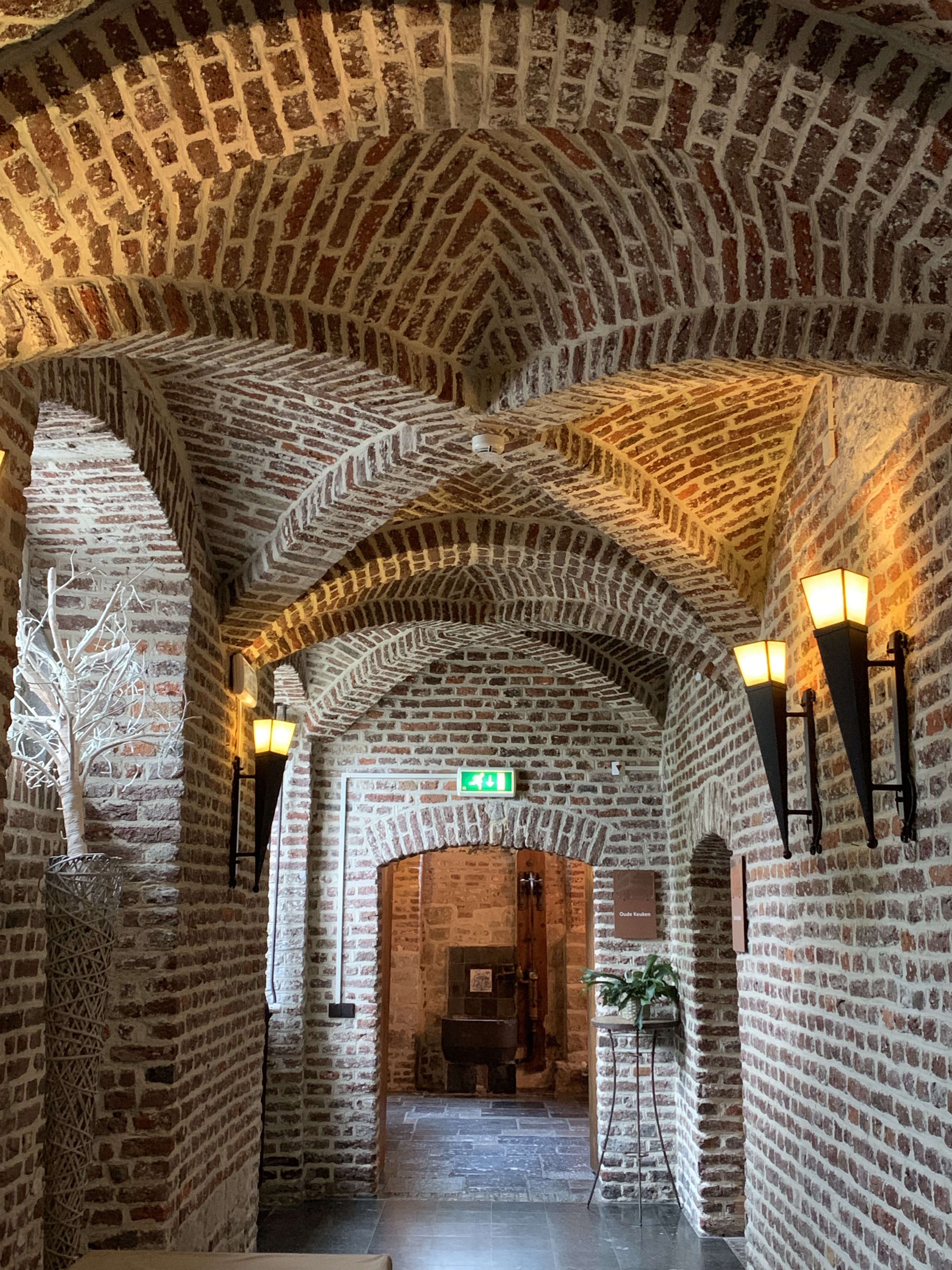
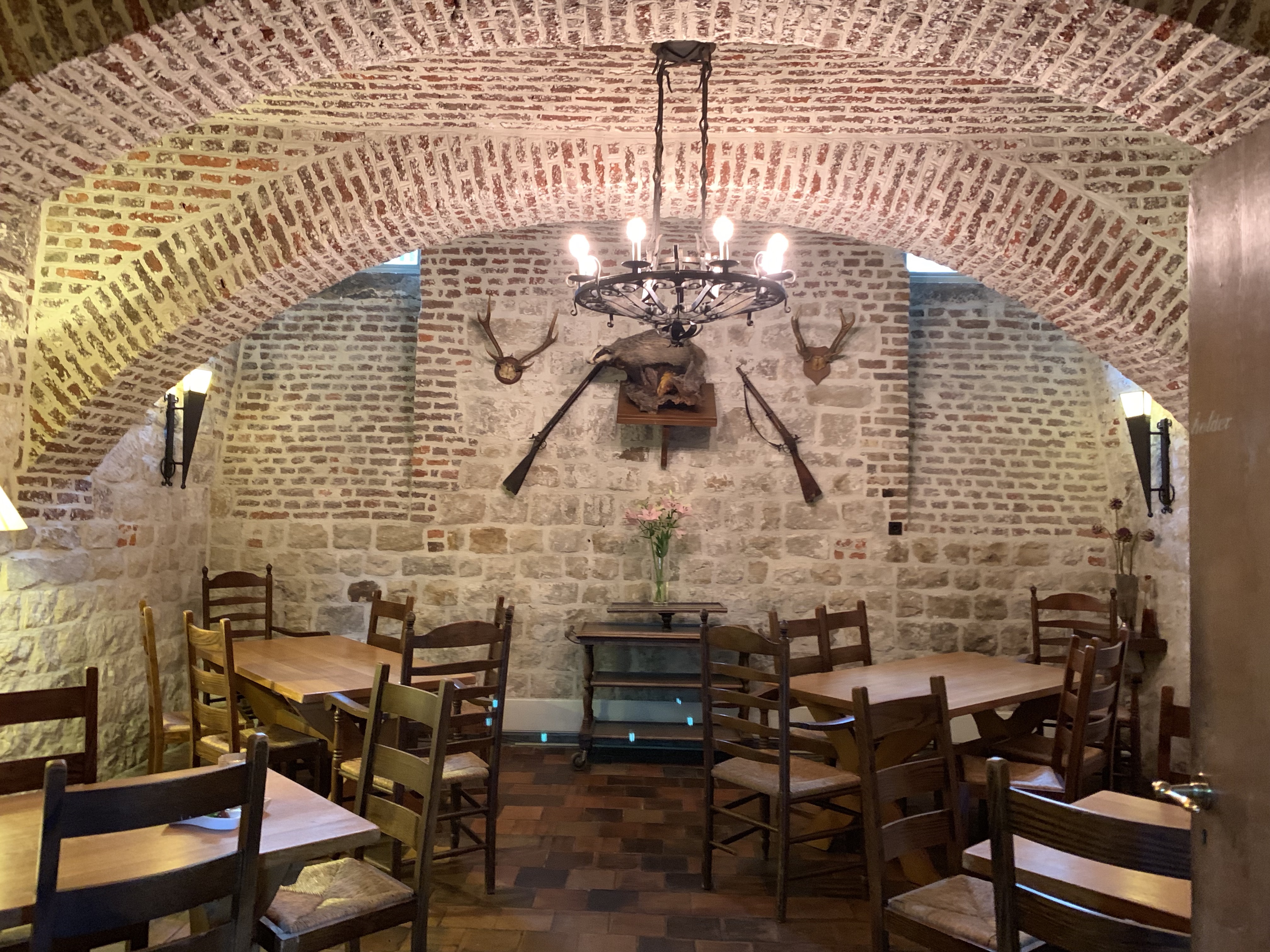
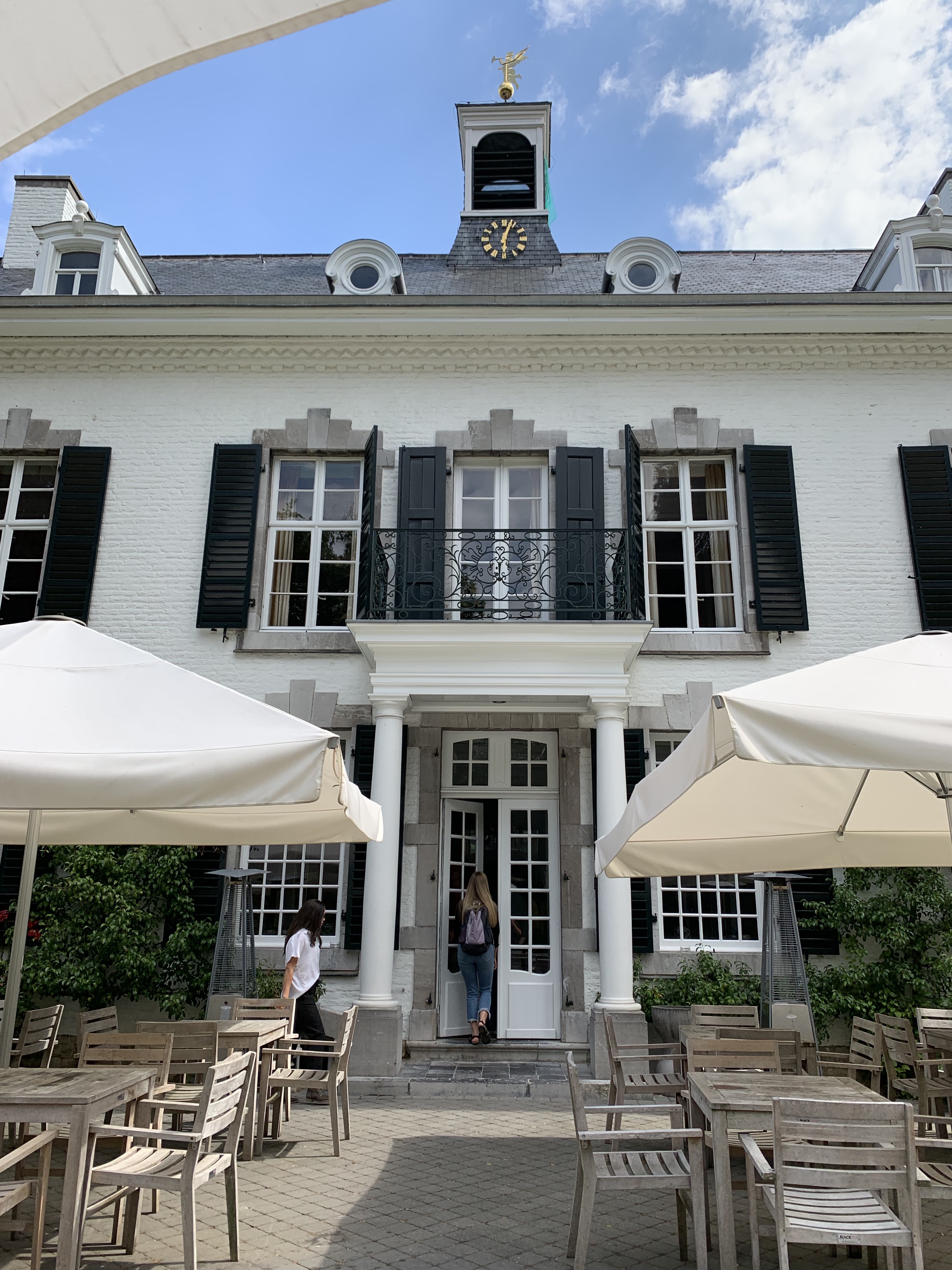
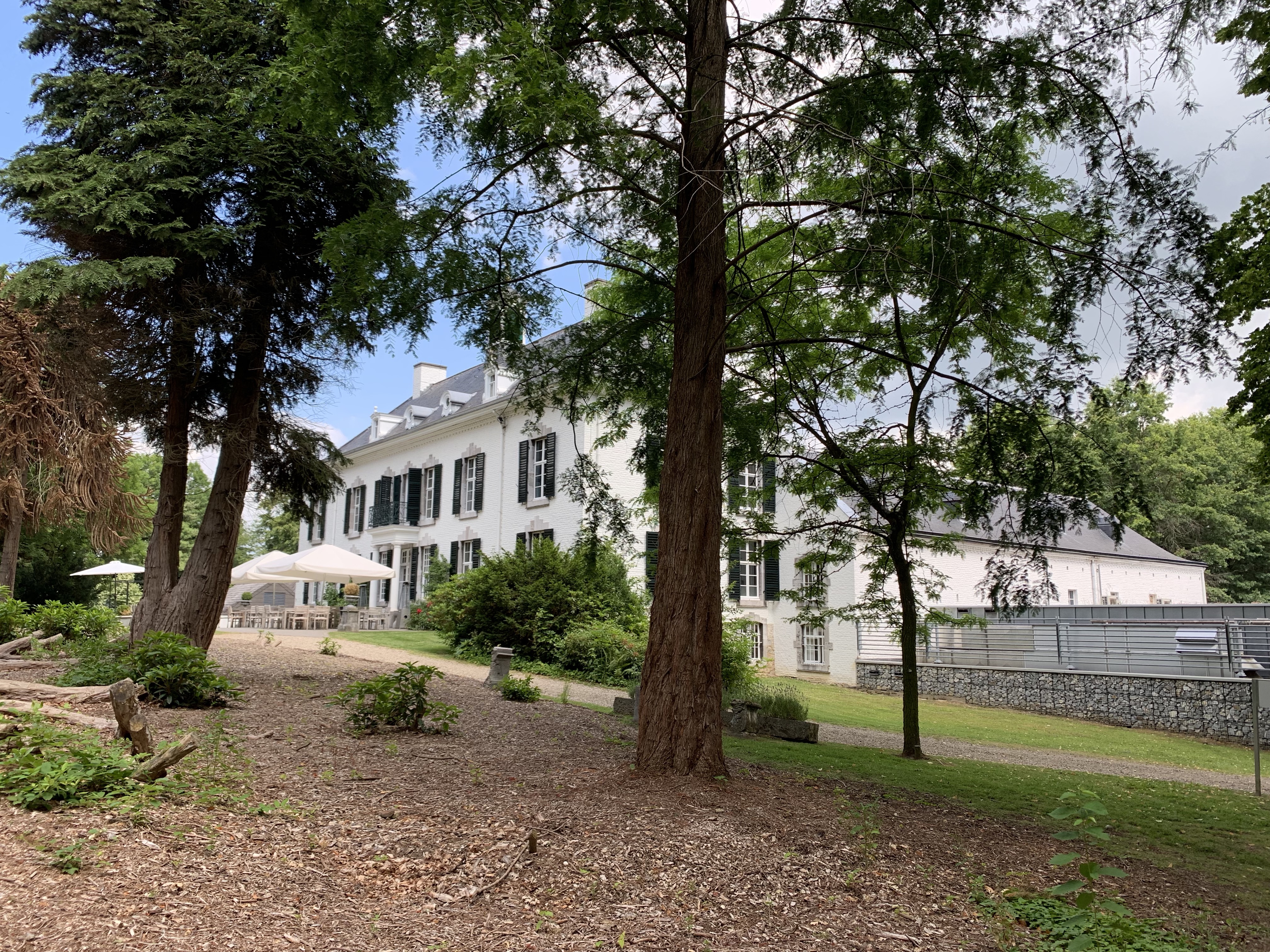
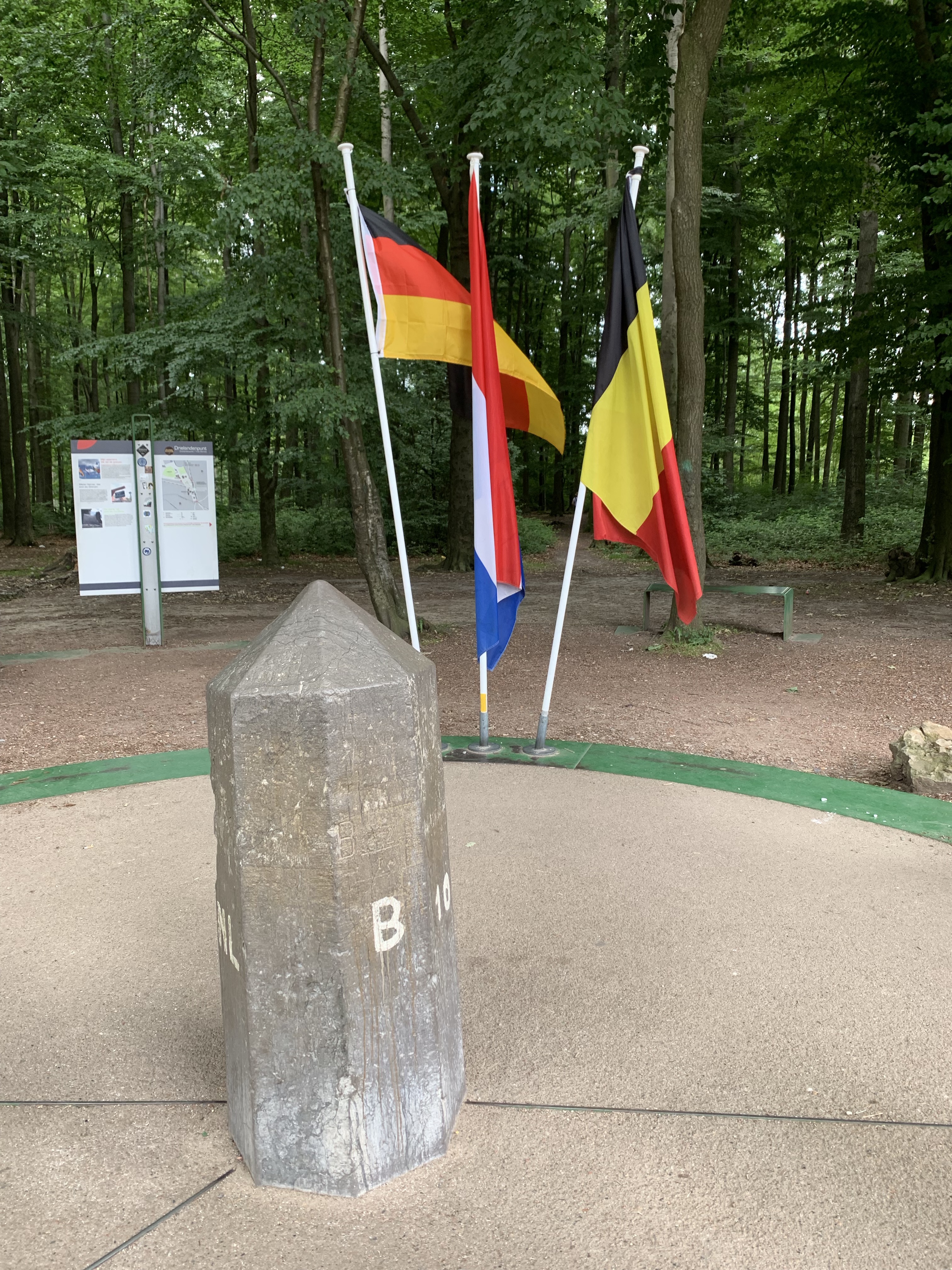
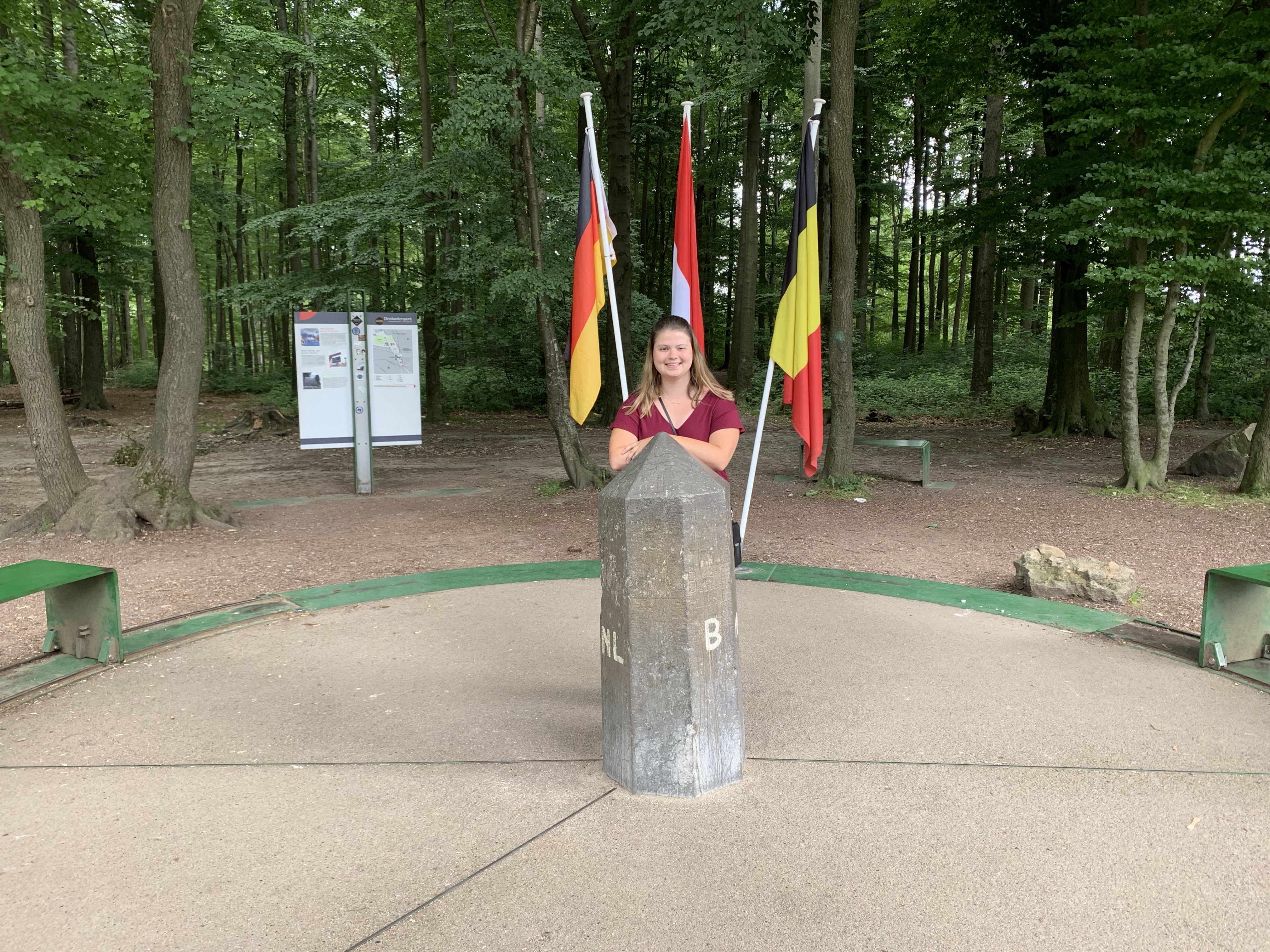
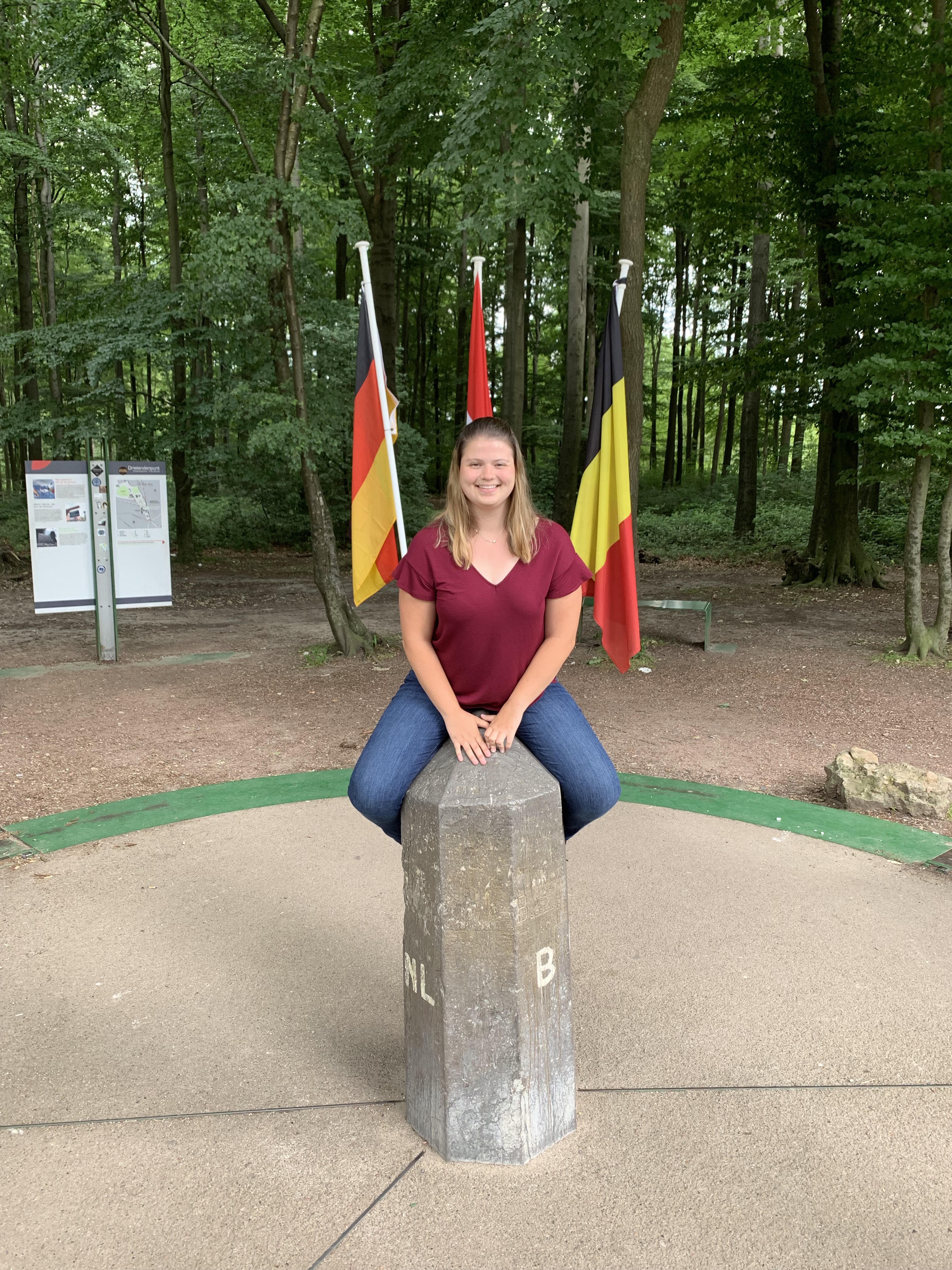
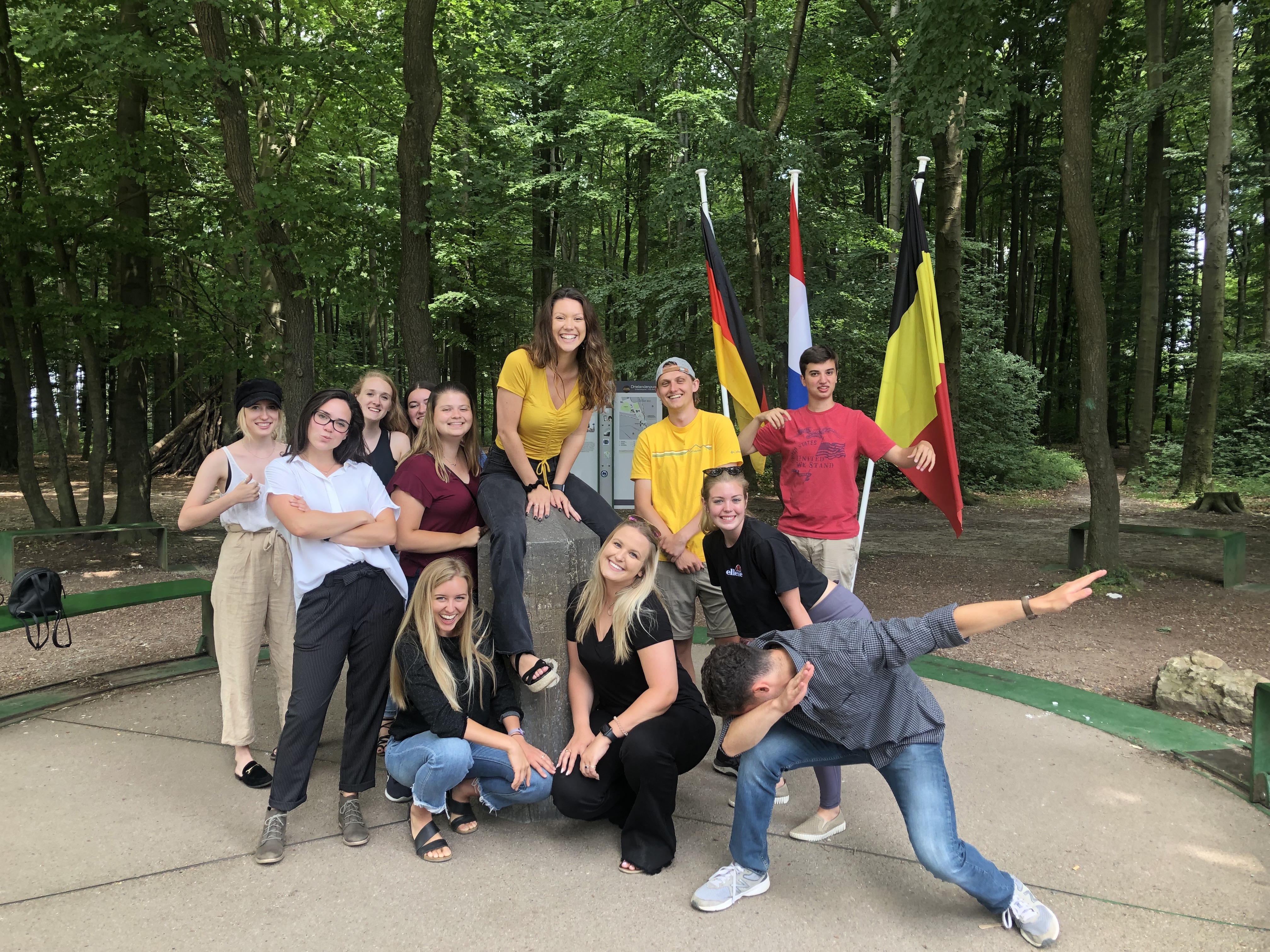
After touring Bilderberg Kasteel Vaalsbroek, we went to Aachen to visit the Three Country Boarder. It’s a pretty cool experience and indescribable feeling to be able to stand in three countries at once and say that you traveled to Germany, the Netherlands, and Belgium in seconds! The Dreilandenpunt (or Three Country Boarder) is one of those fascinating locations that almost nobody has heard of. The simplest way to describe it, is that it represents the point on the map where the national borders of Belgium, The Netherlands and Germany meet, at a single location. There are a few of these types of geographical anomalies in the world, but this is one of very few in Europe.
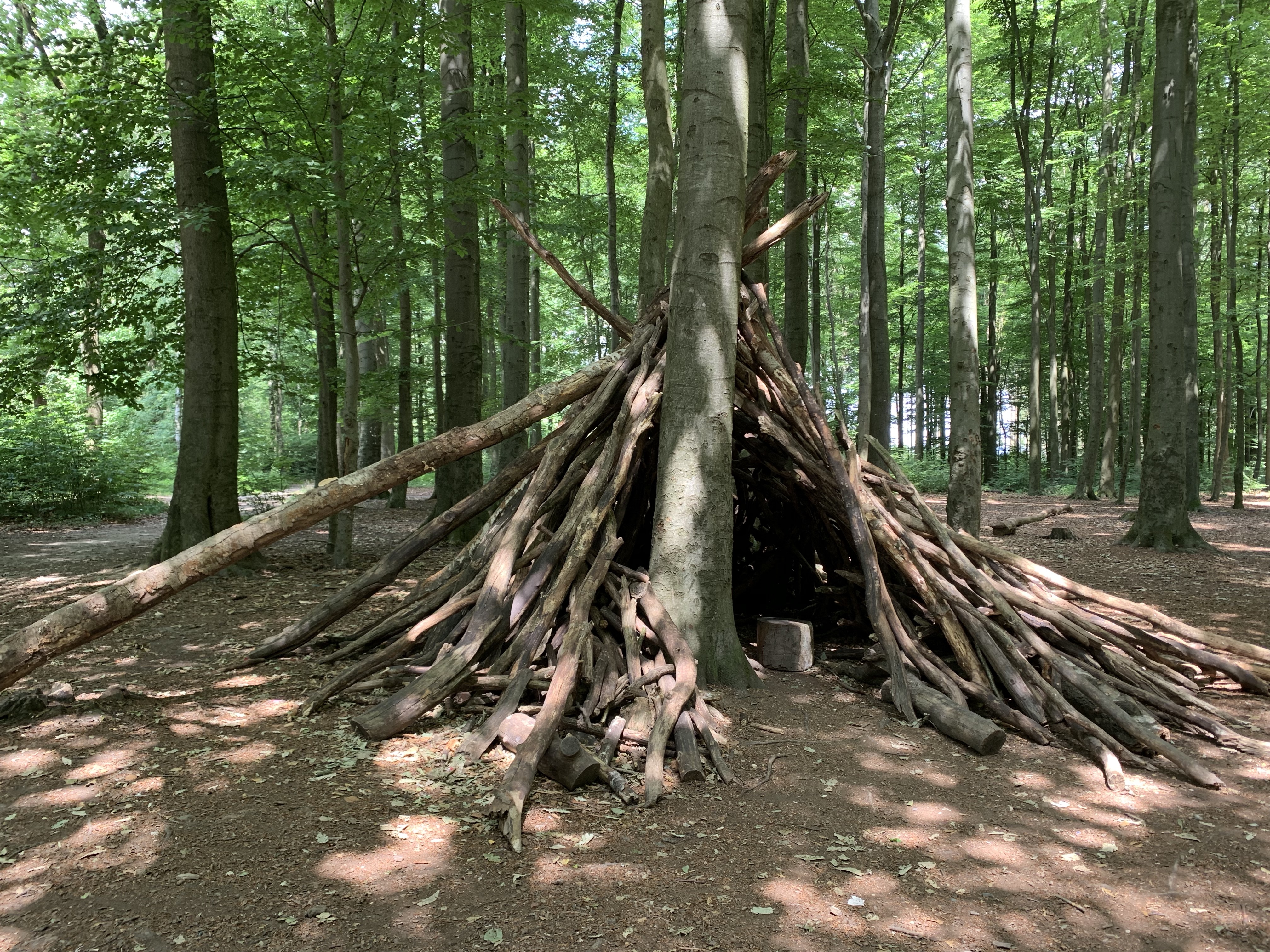
The location itself has been turned into a nature-park/ activity center/ tourist location, in a very tasteful way, and provides a great spot for families (and groups of friends) to spend time. As well as the interesting border marker (where you can stand, or lie, in two or even three countries at the same time), there is a labyrinth, a lovely (and huge) forested area with wooden teepees, a children’s play area, and a number of shops and restaurants. Visitors are even able to go up the huge observation tower at the border point, and take in incredible views of the surrounding area.
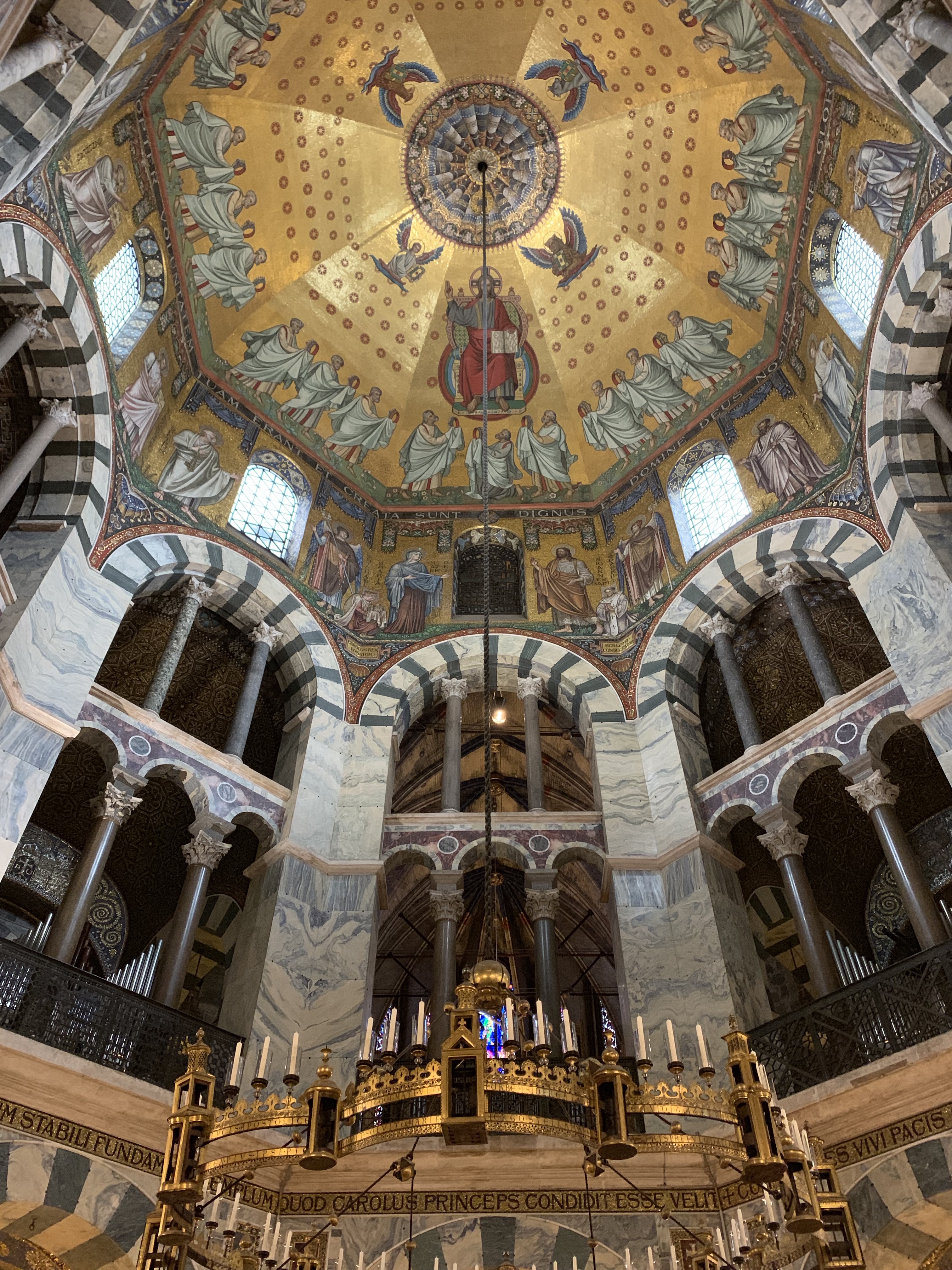
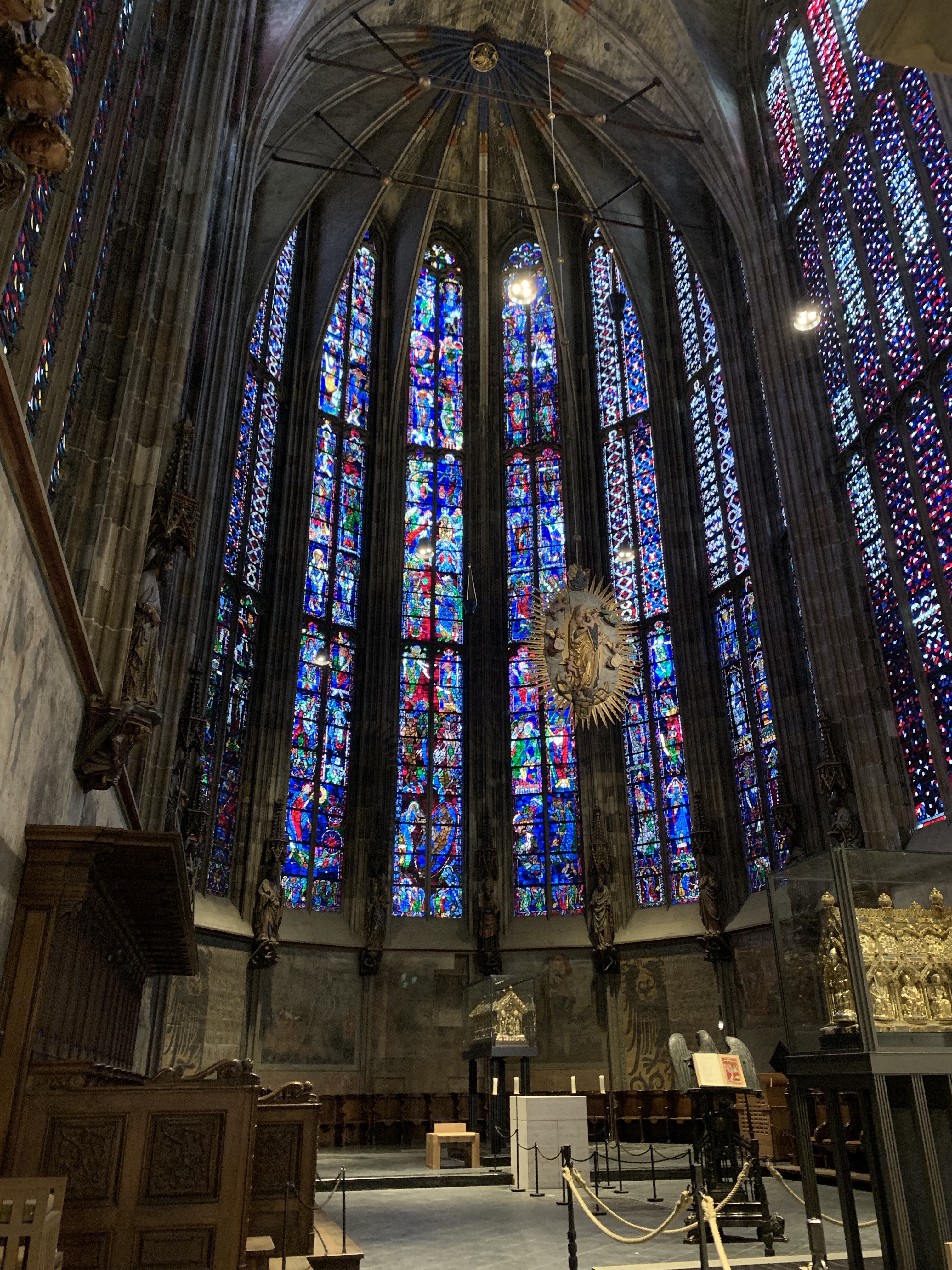
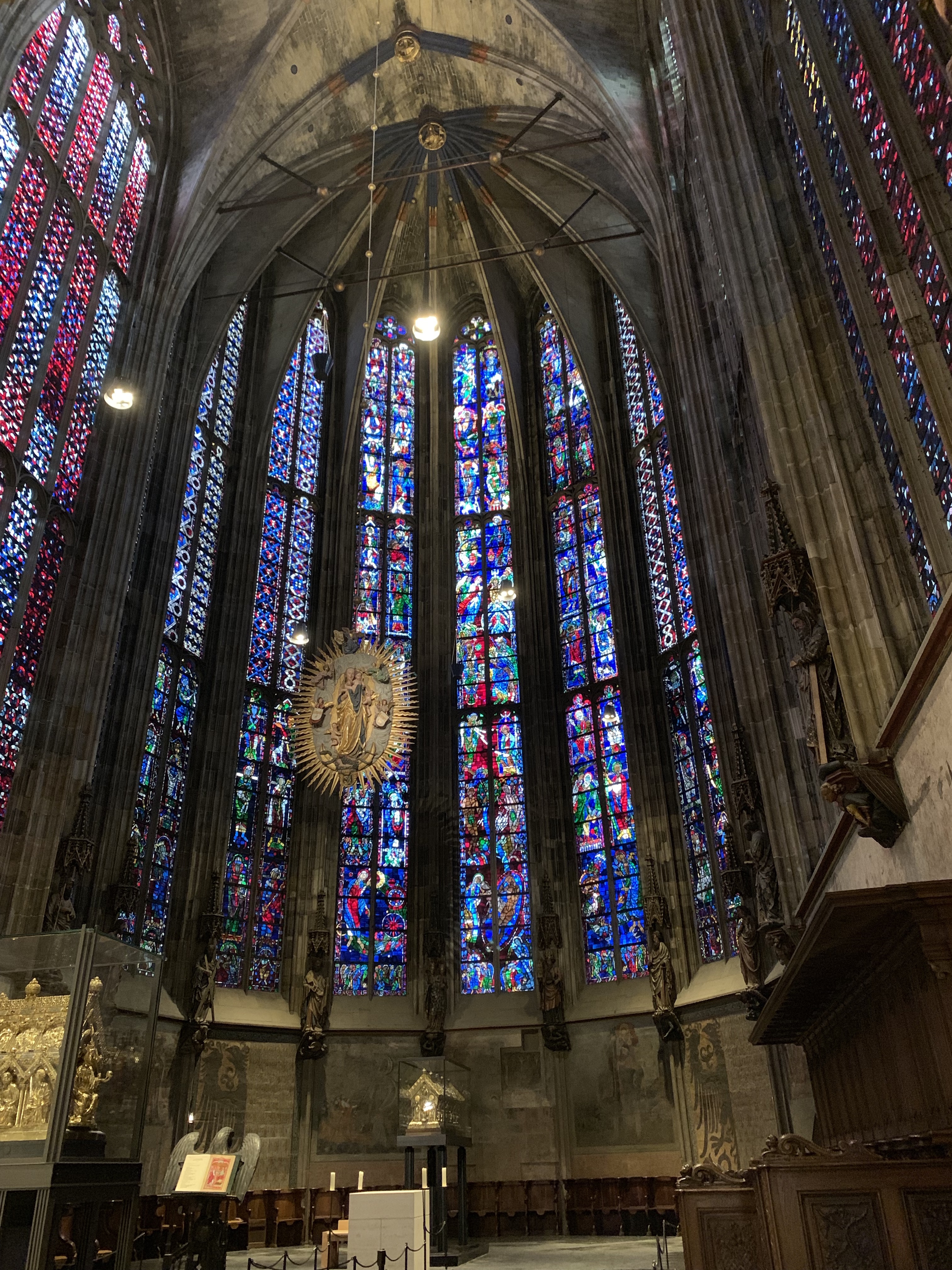
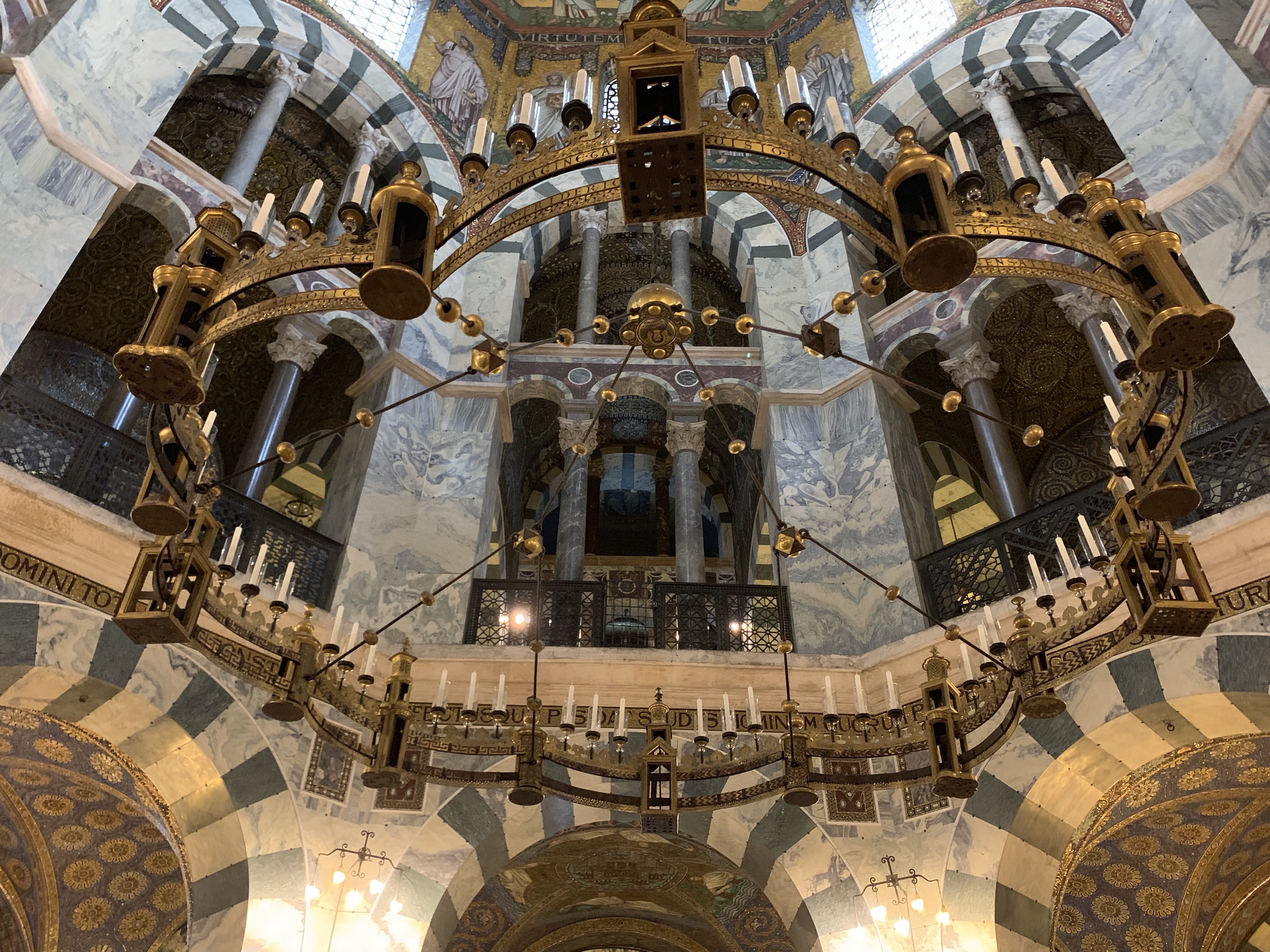
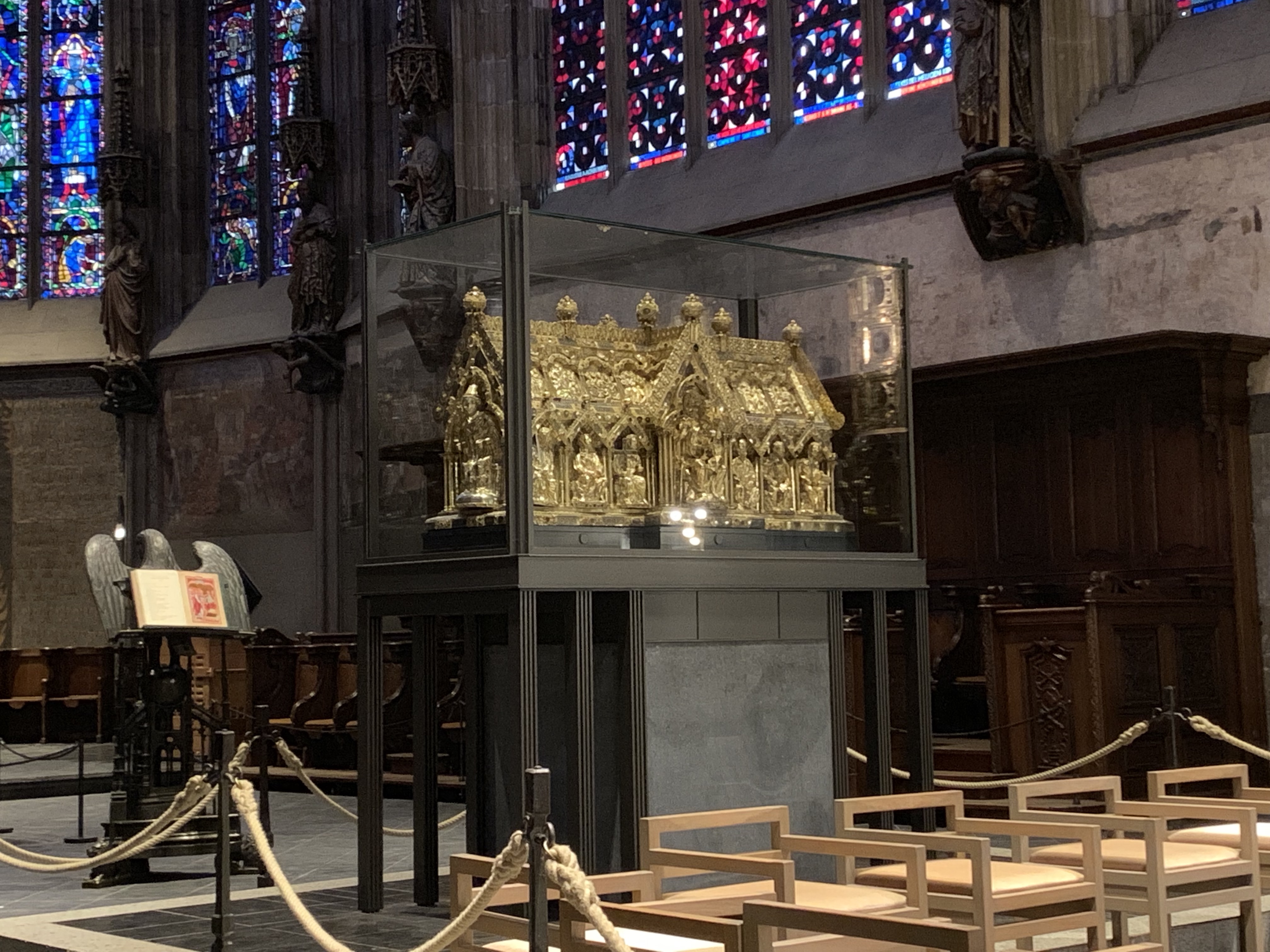
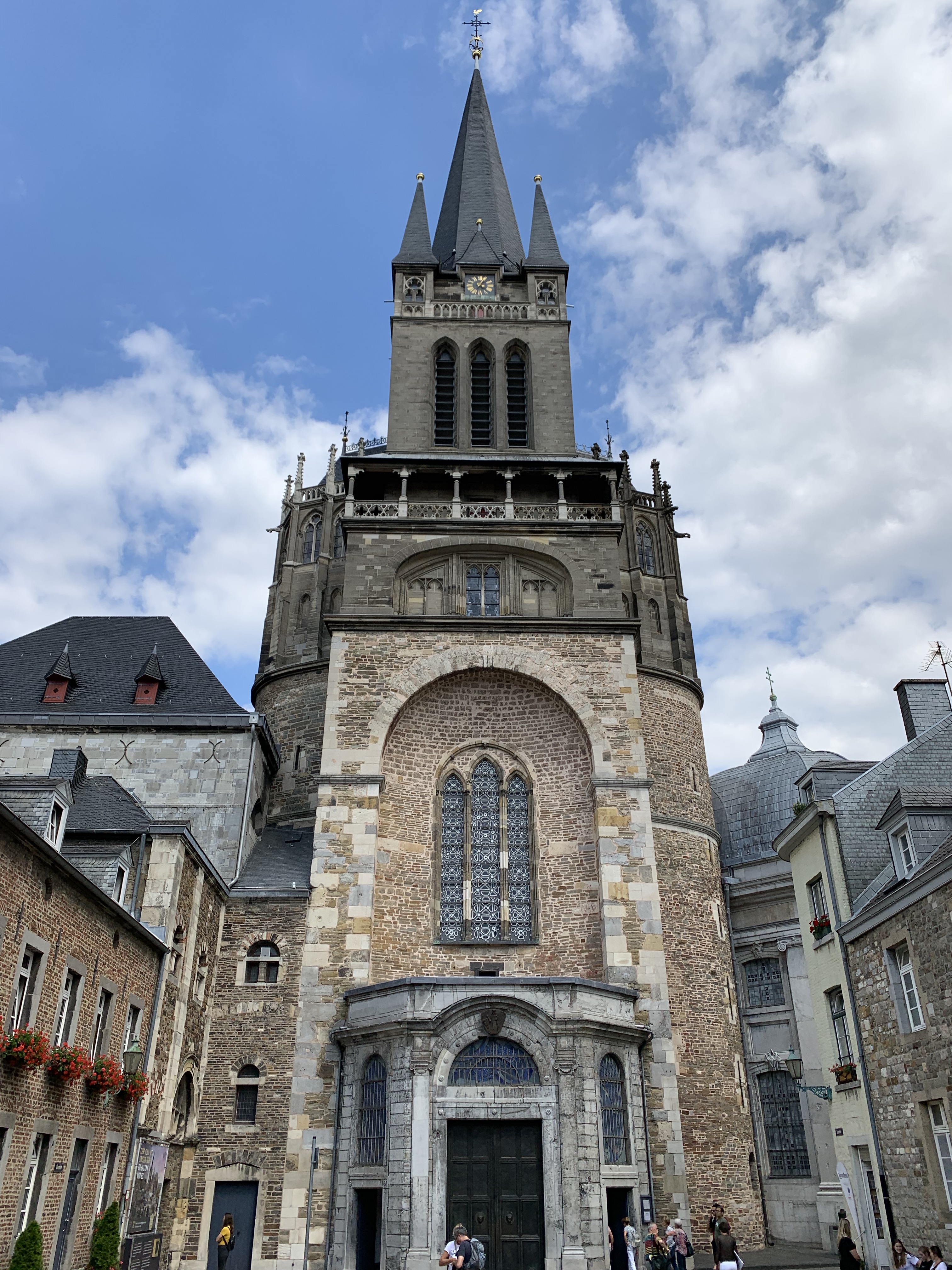
After our visit to the Three Country Boarder, we went to the famous Aachen Cathedral, which was built by order of Emperor Charlemagne around 800 AD. While exploring the cathedral, I learned that it is one of four major pilgrimage sites in Christianity, housing four significant relics such as the clothes of the Virgin Mary and Jesus’ swaddling clothes. The Cathedral is also the burial place of Charlemagne who was king of the Franks from 768, king of the Lombards from 774, and emperor of the Romans from 800. Additionally, the site is where kings and queens of Germany were once coronated. As a result of its historical significance, there is a pilgrimage to the Cathedral every seven years when the relics are put on display. Its artistic, religious, and historical importance are why it is cherished by the people of Aachen.
Once we finished touring the cathedral, we strolled along the streets if Aachen as we made our way to a local ice cream parlor before heading back to the bus. On our stroll through Aachen I was surprised by how architecturally similar it was to Maastricht with its cobbled stoned streets and expansive city centers. Both cities were also amazingly clean and wonderfully scenic with pleasantly cool weather and smiling and helpful people.
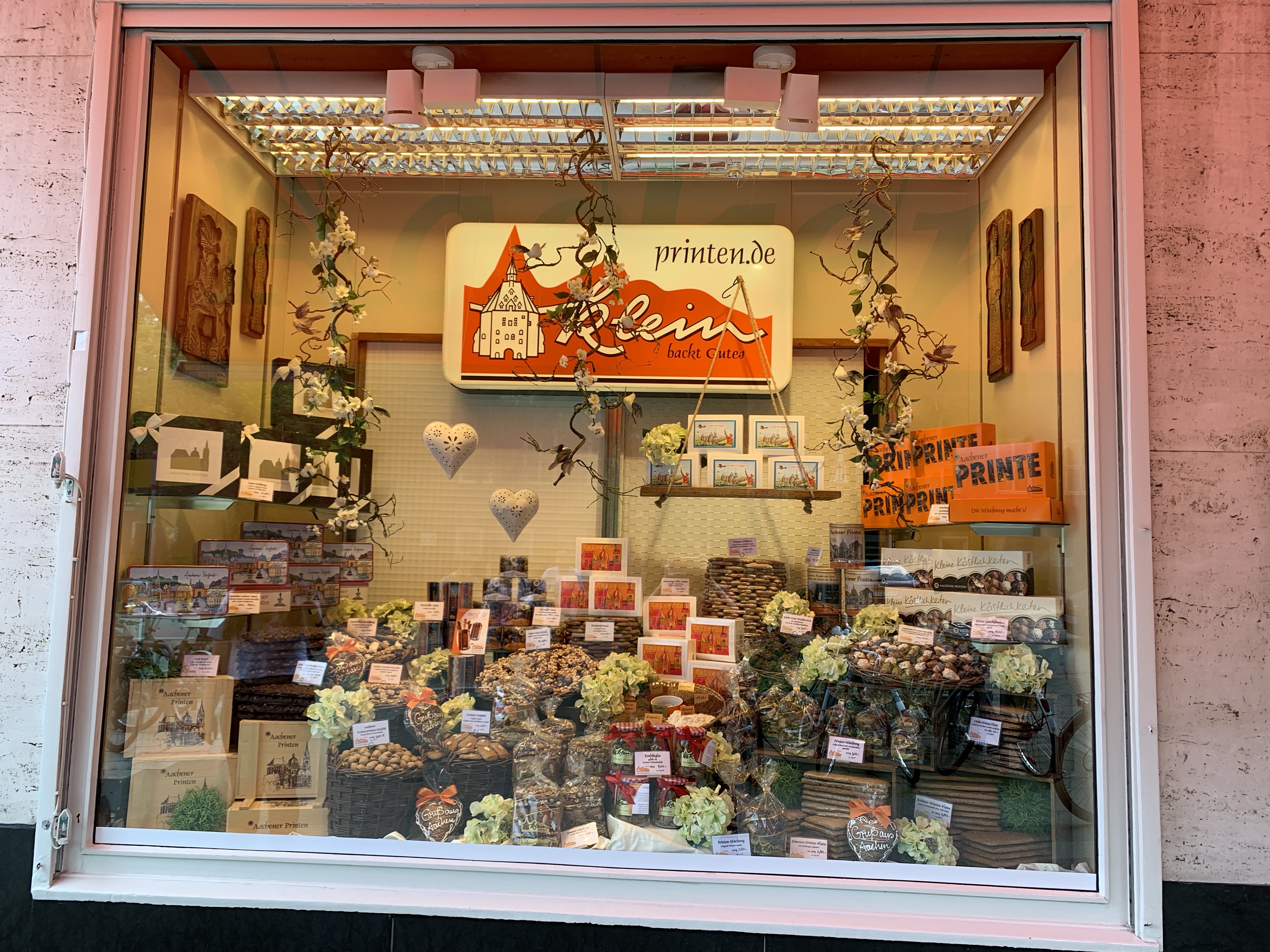
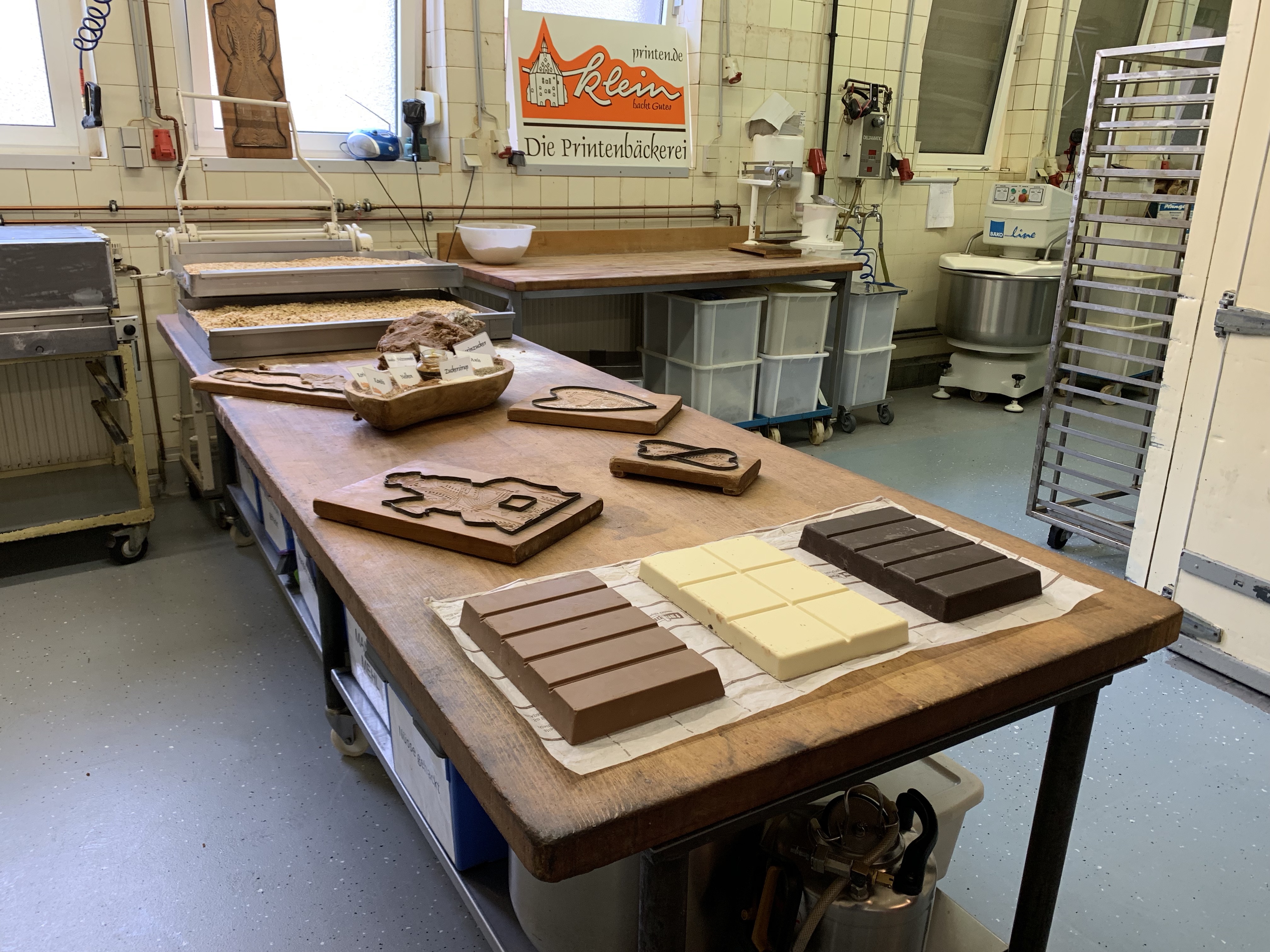
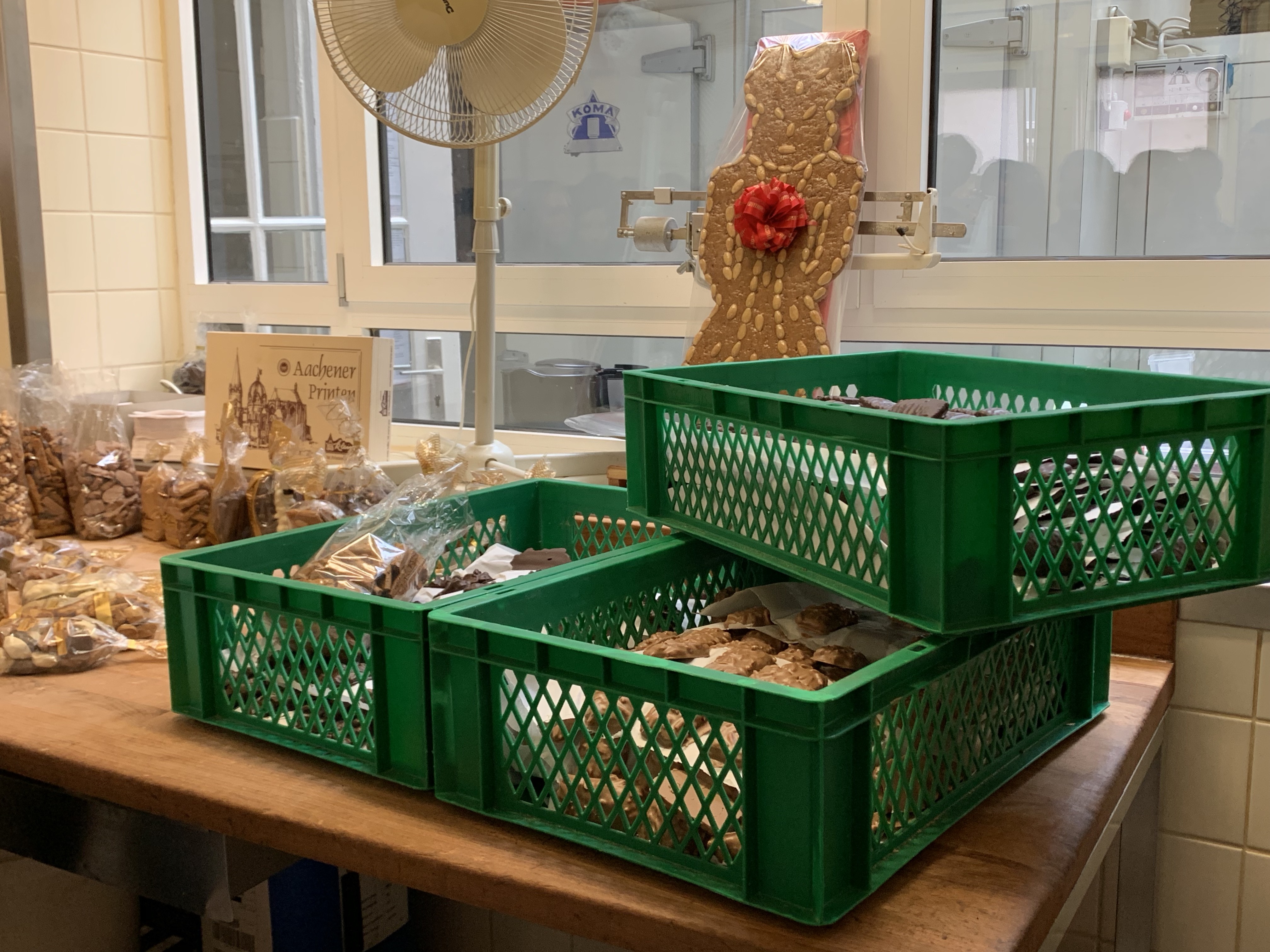
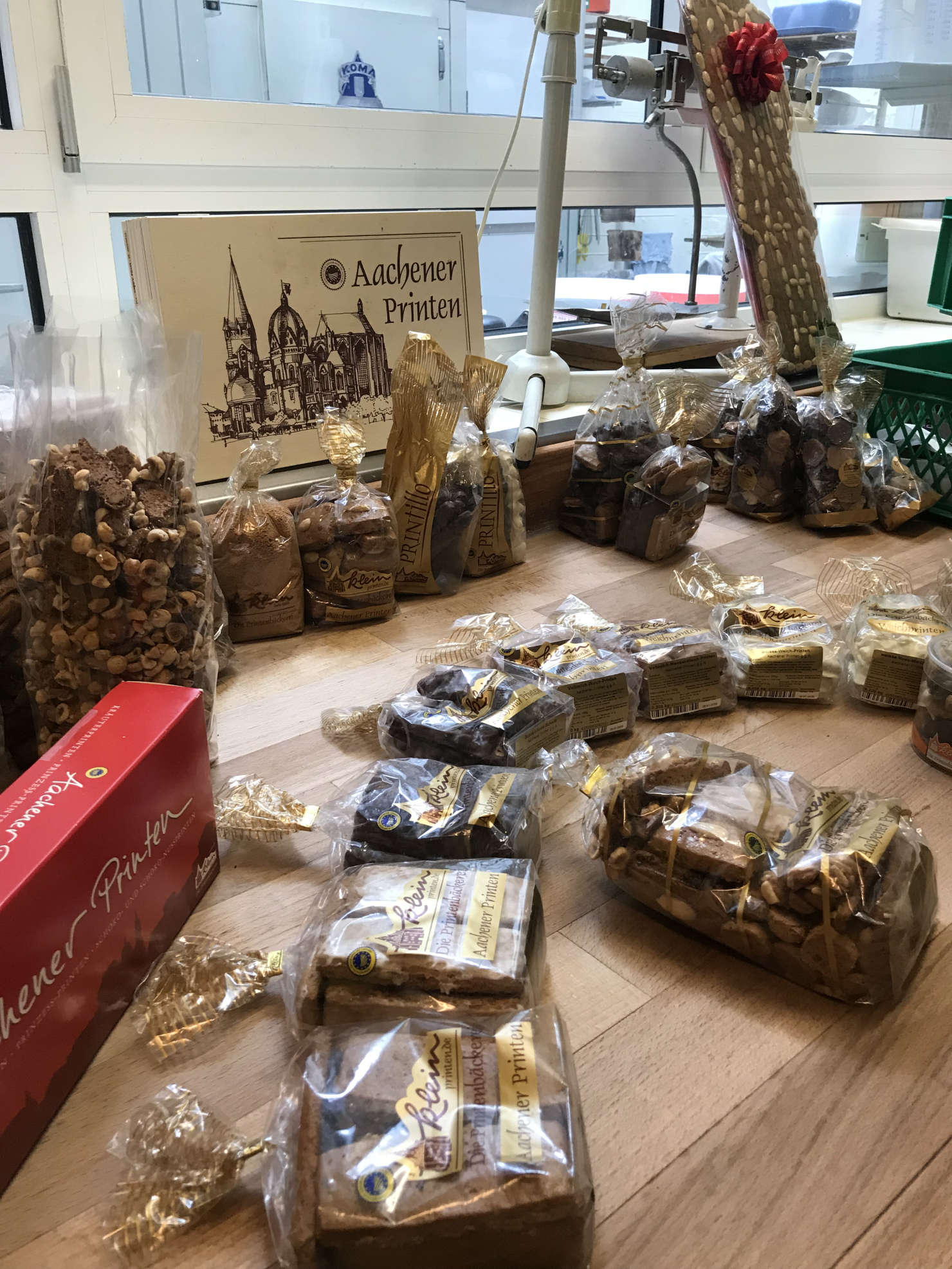
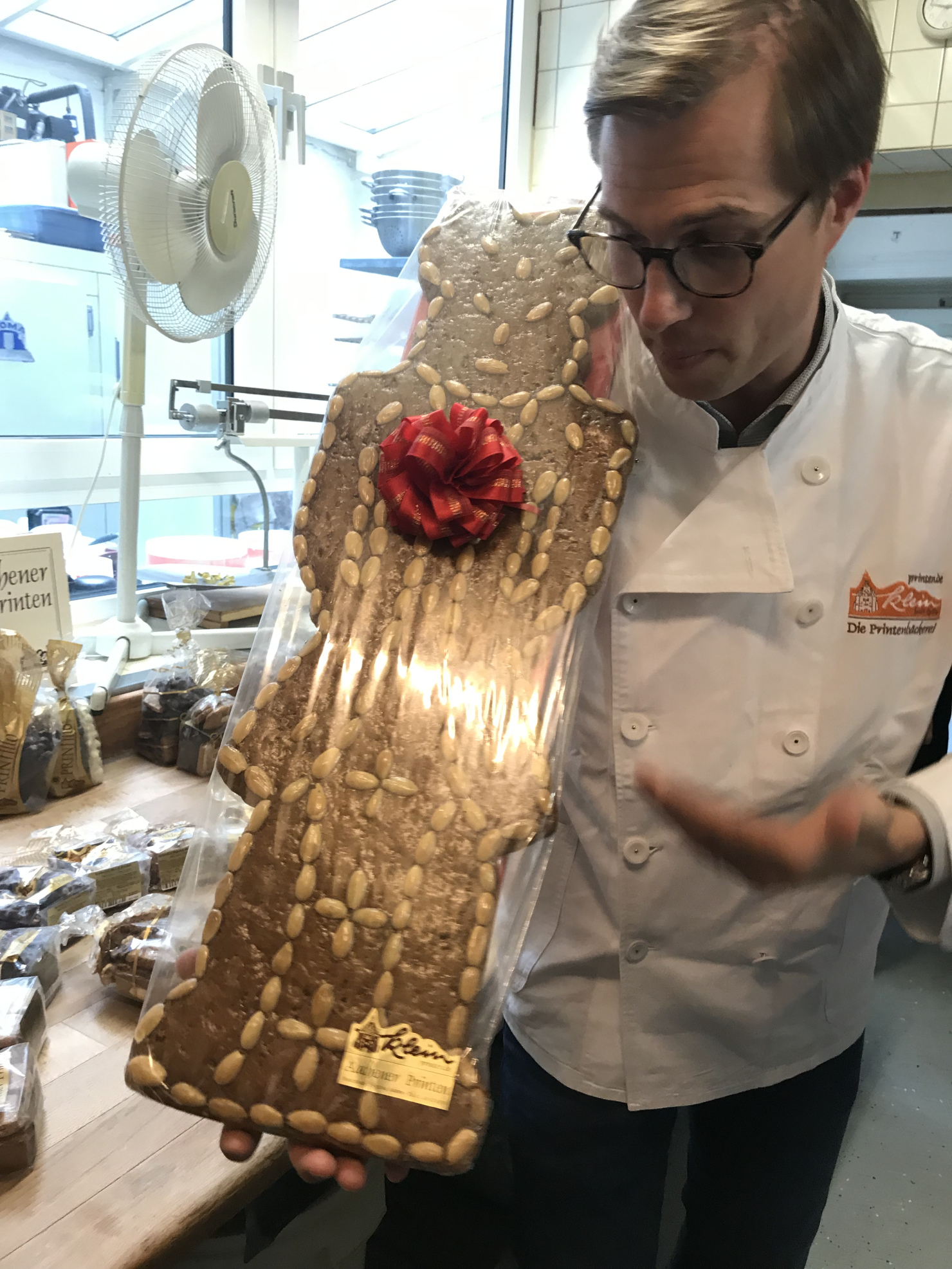
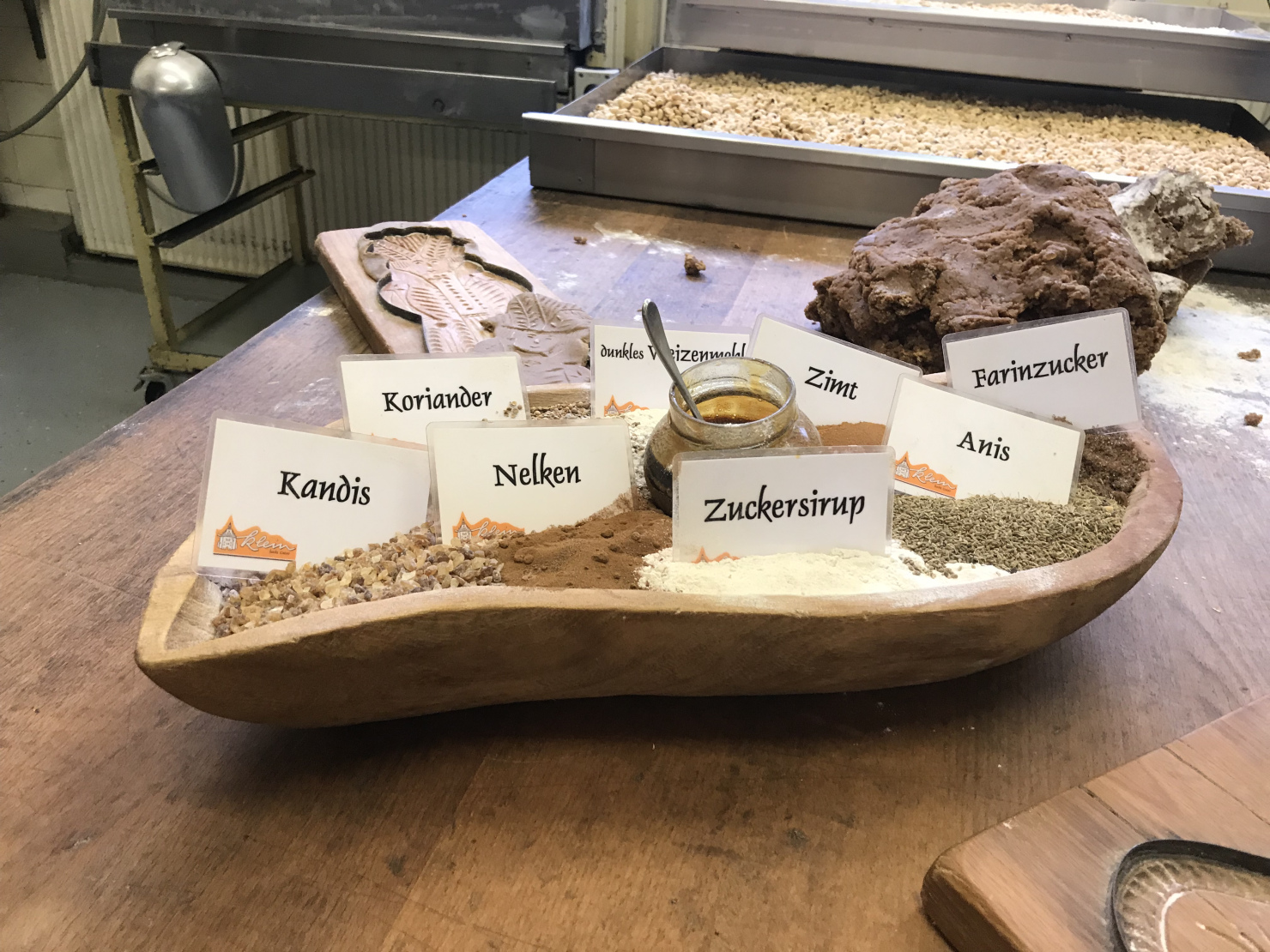
One of the last things we did in Aachen was tour Klein Printen, a family owned bakery for more than 100 years (originated in 1912). Now run by the fourth generation of family members, they have a culture dedicated to working each and everyday to bring freshly baked breads, pastries, and Printen to all their customers.
 Sarah's European Voyage