
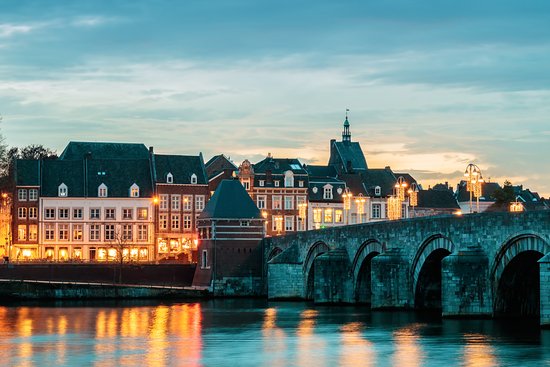
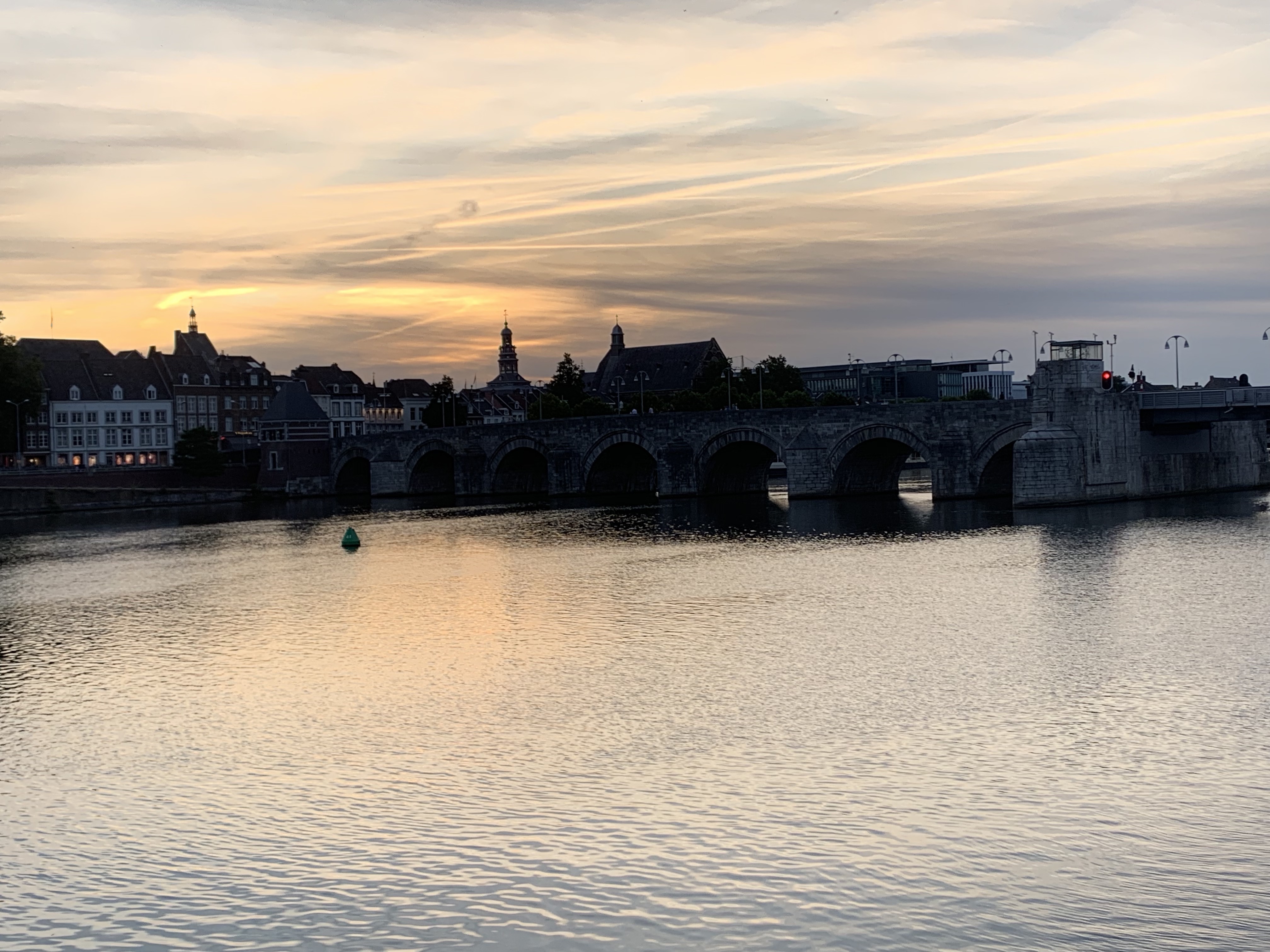
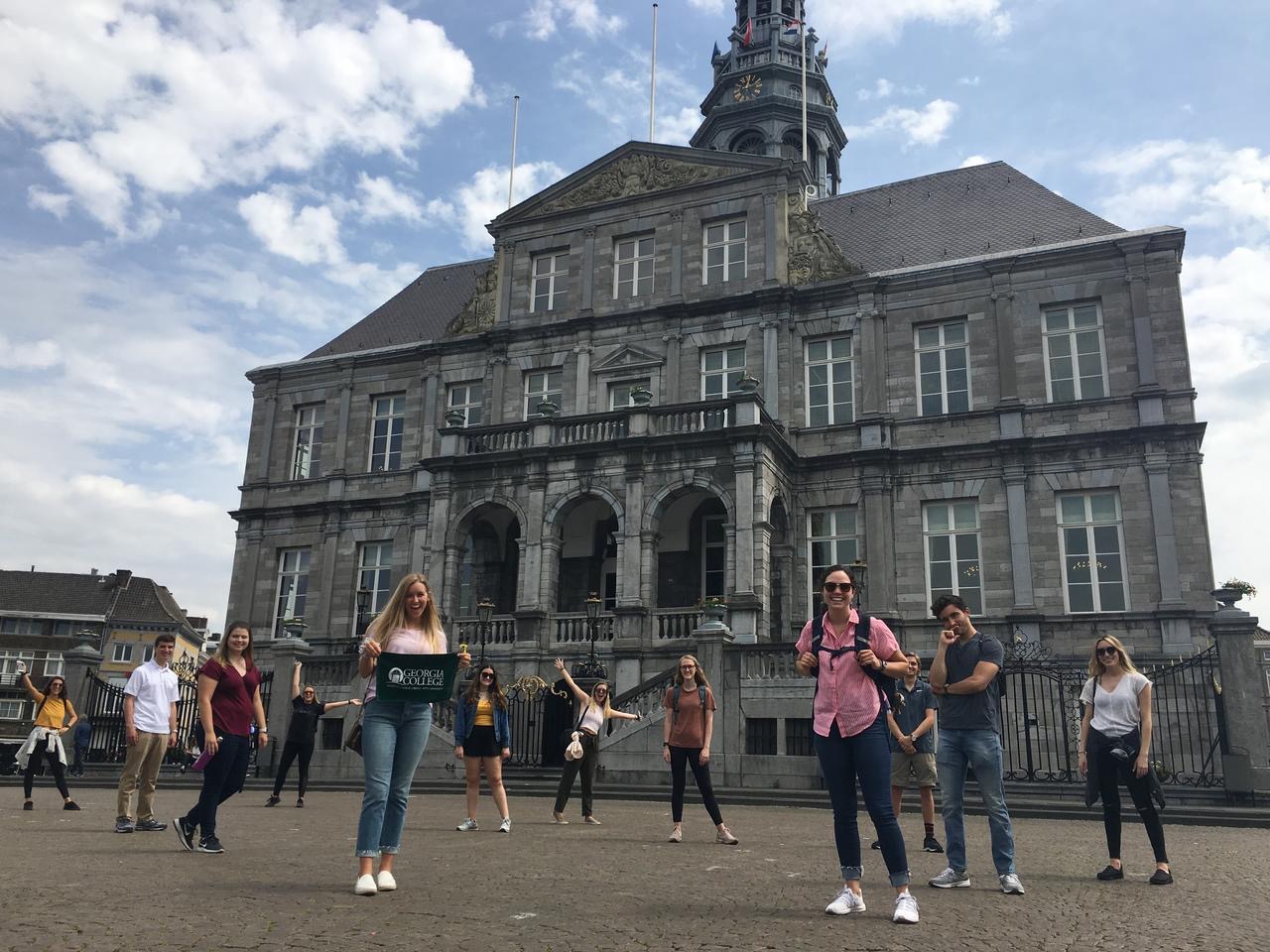
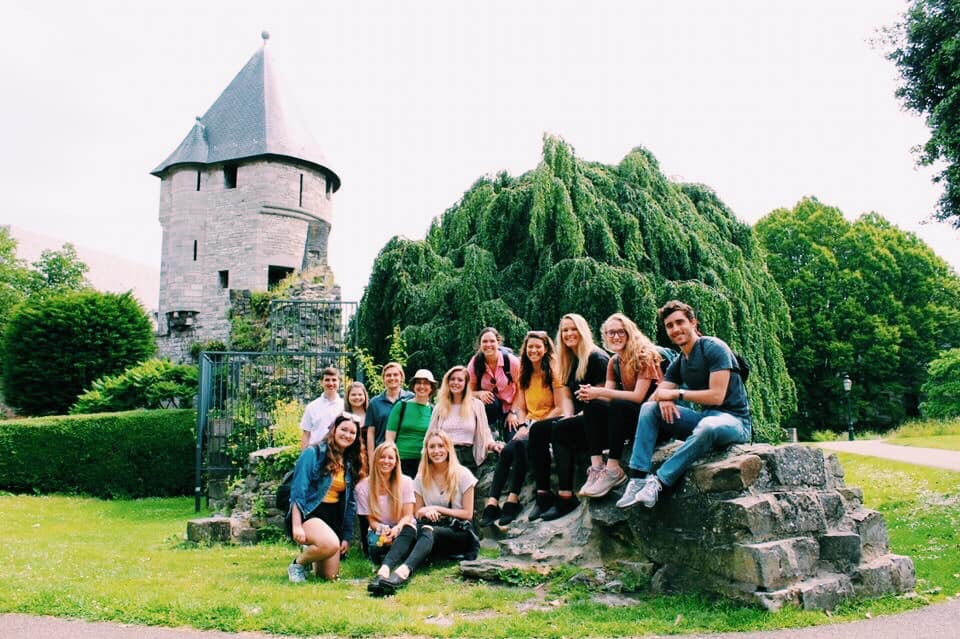
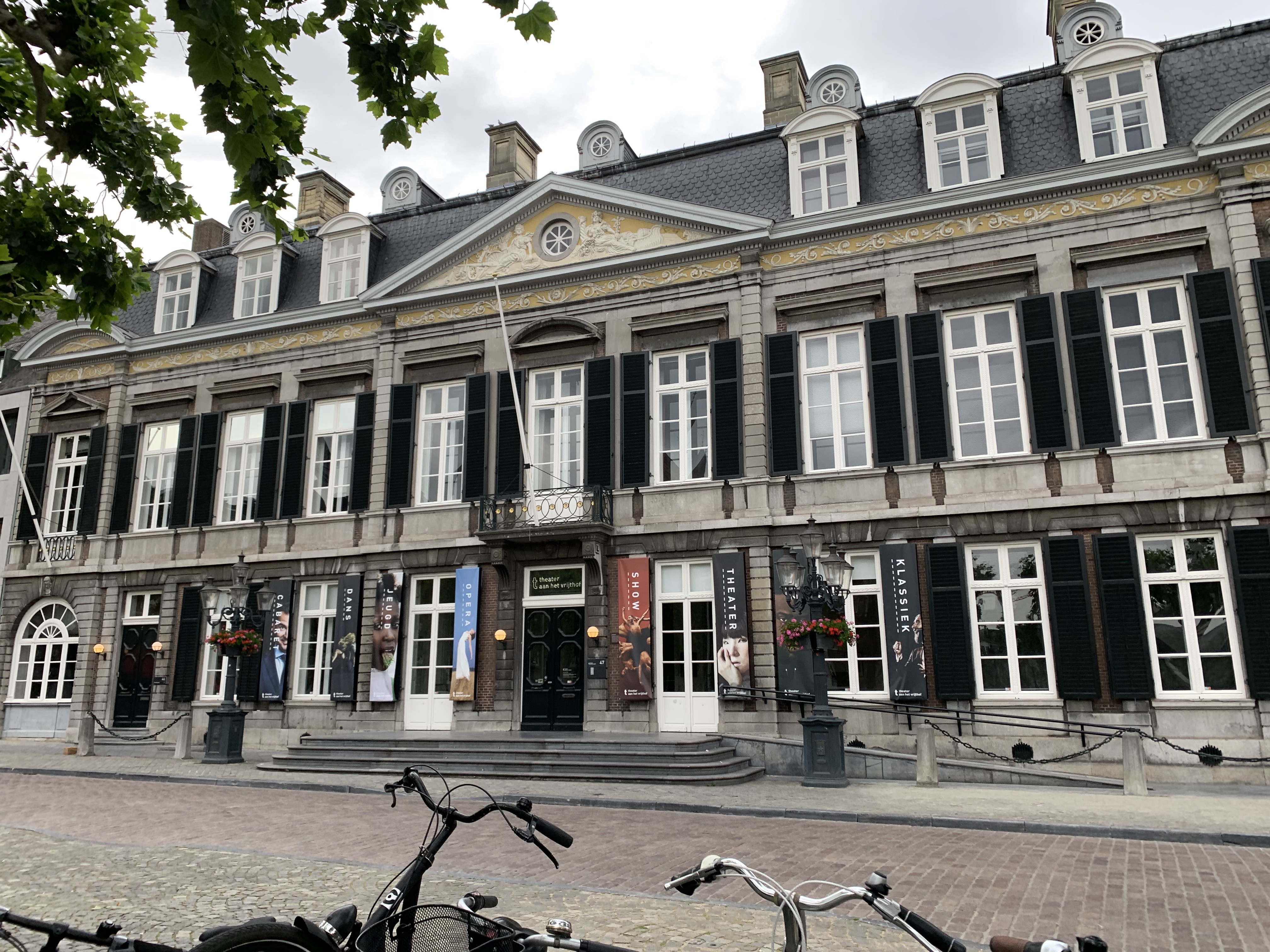
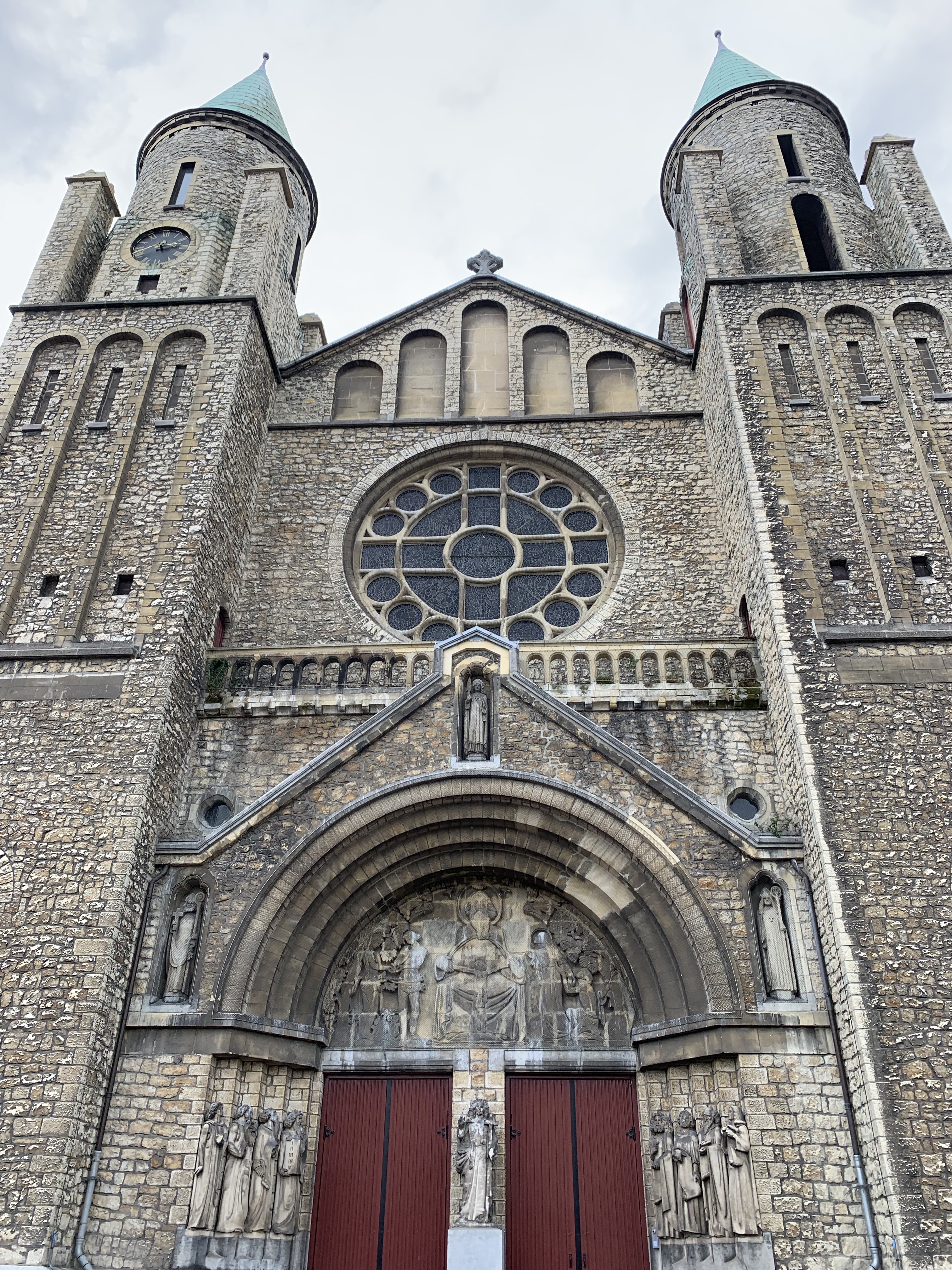
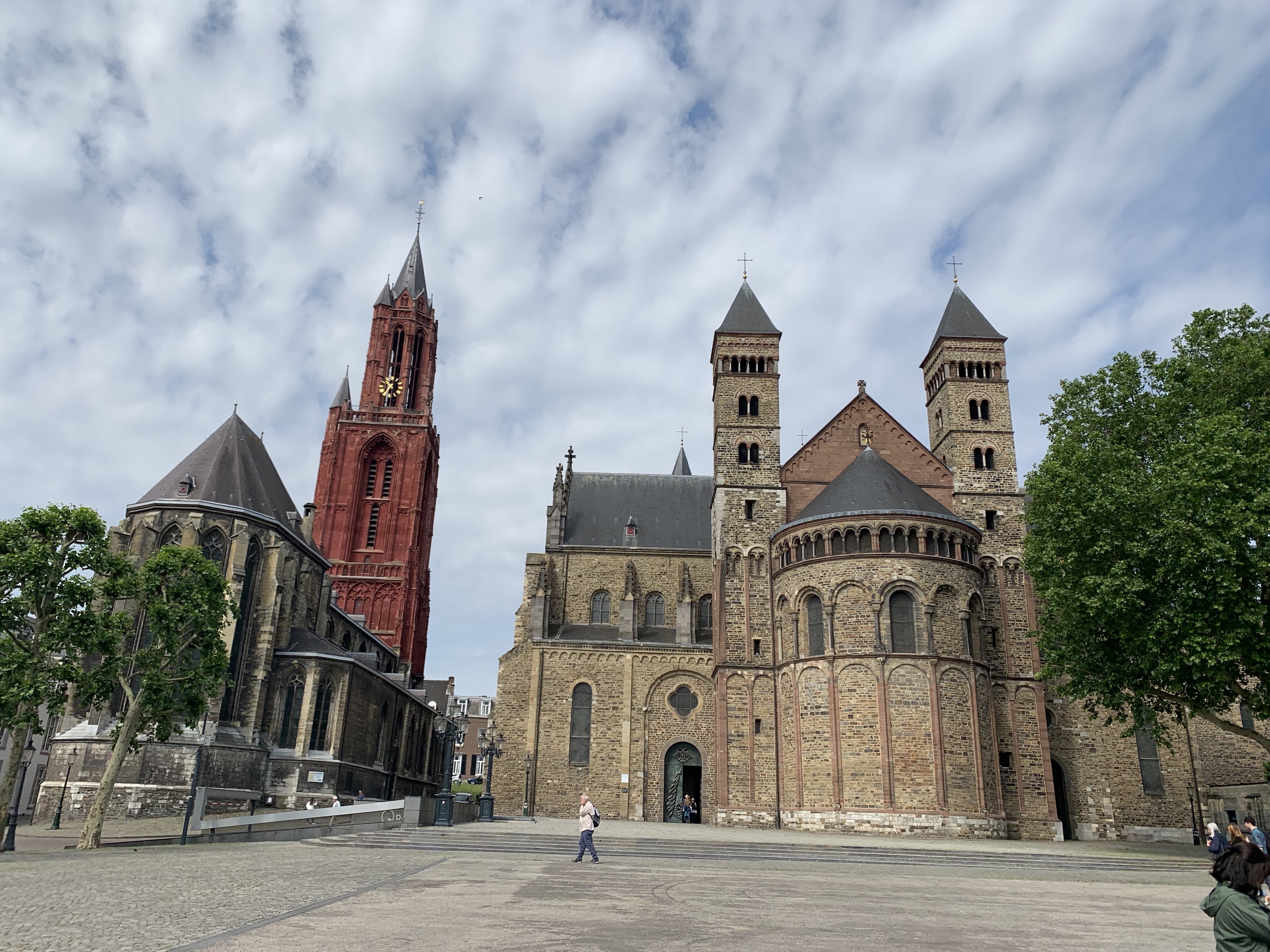
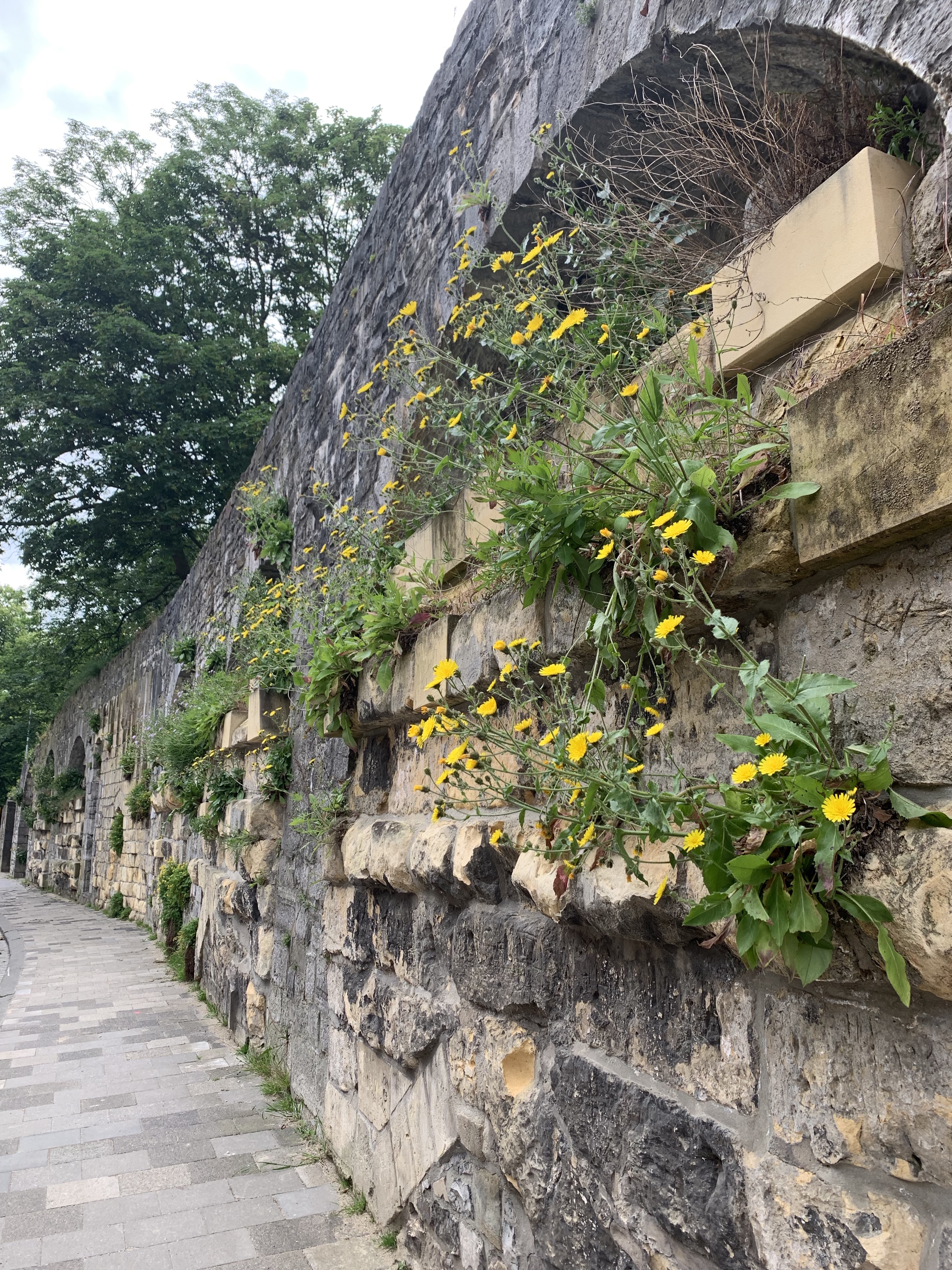
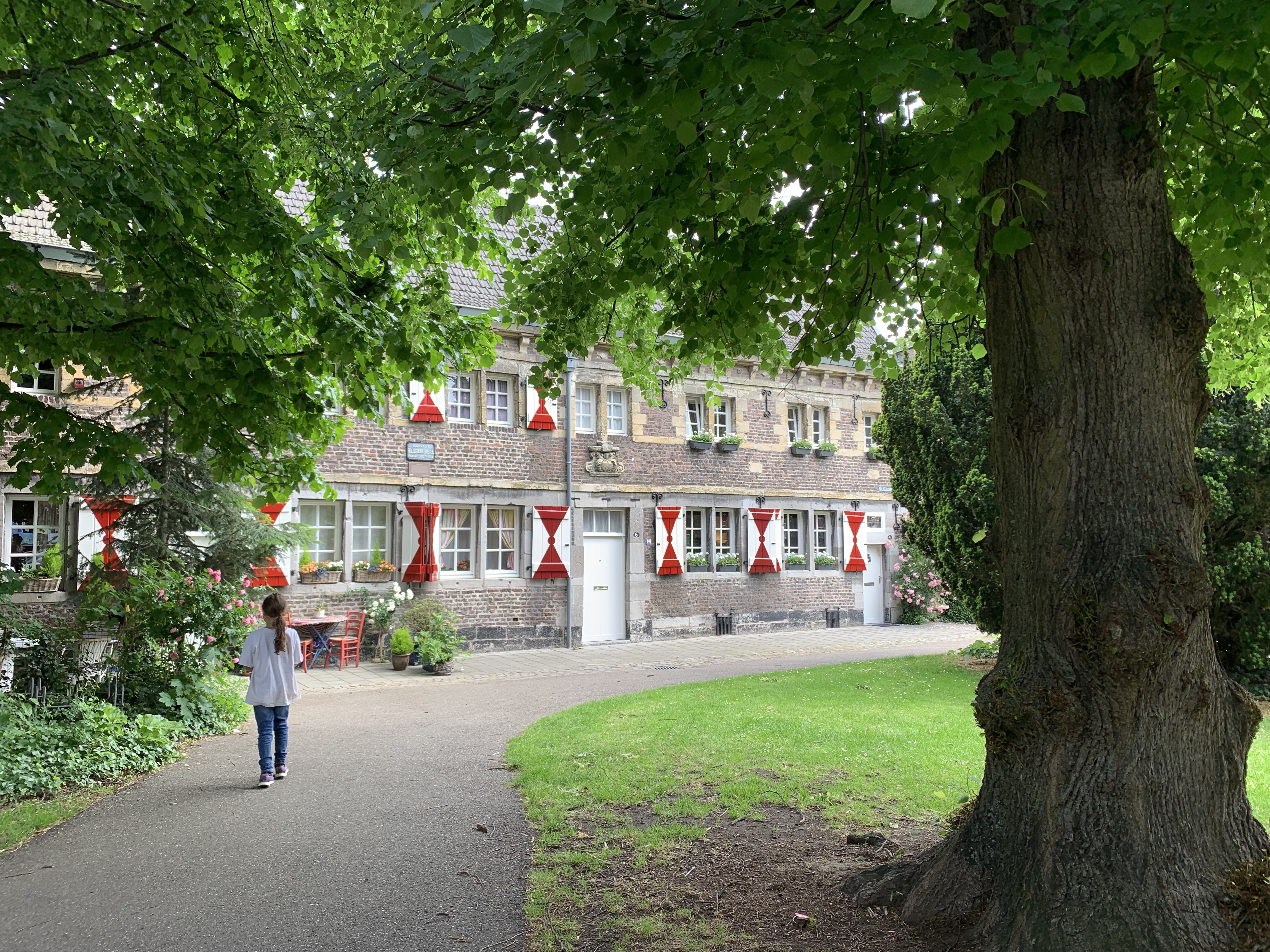
For the last three weeks Maastricht has been my ‘home away from home’ and although my time in this beautiful city is coming to an end faster than I would like, I am overjoyed with what I have learned and accomplished while here and can’t wait to tell my family all about my experience back home in the United States! Unlike other European cities that I have visited in the past, Maastricht is a beautiful combination of vibrant urban life with laid-back scenery. It has abundant safe, clean parks, and public green spaces and also busy shopping centers and historical monuments. Perhaps best of all, it’s essentially located right in the center of Western Europe, which makes it incredibly easy to visit the entire continent while you’re here.
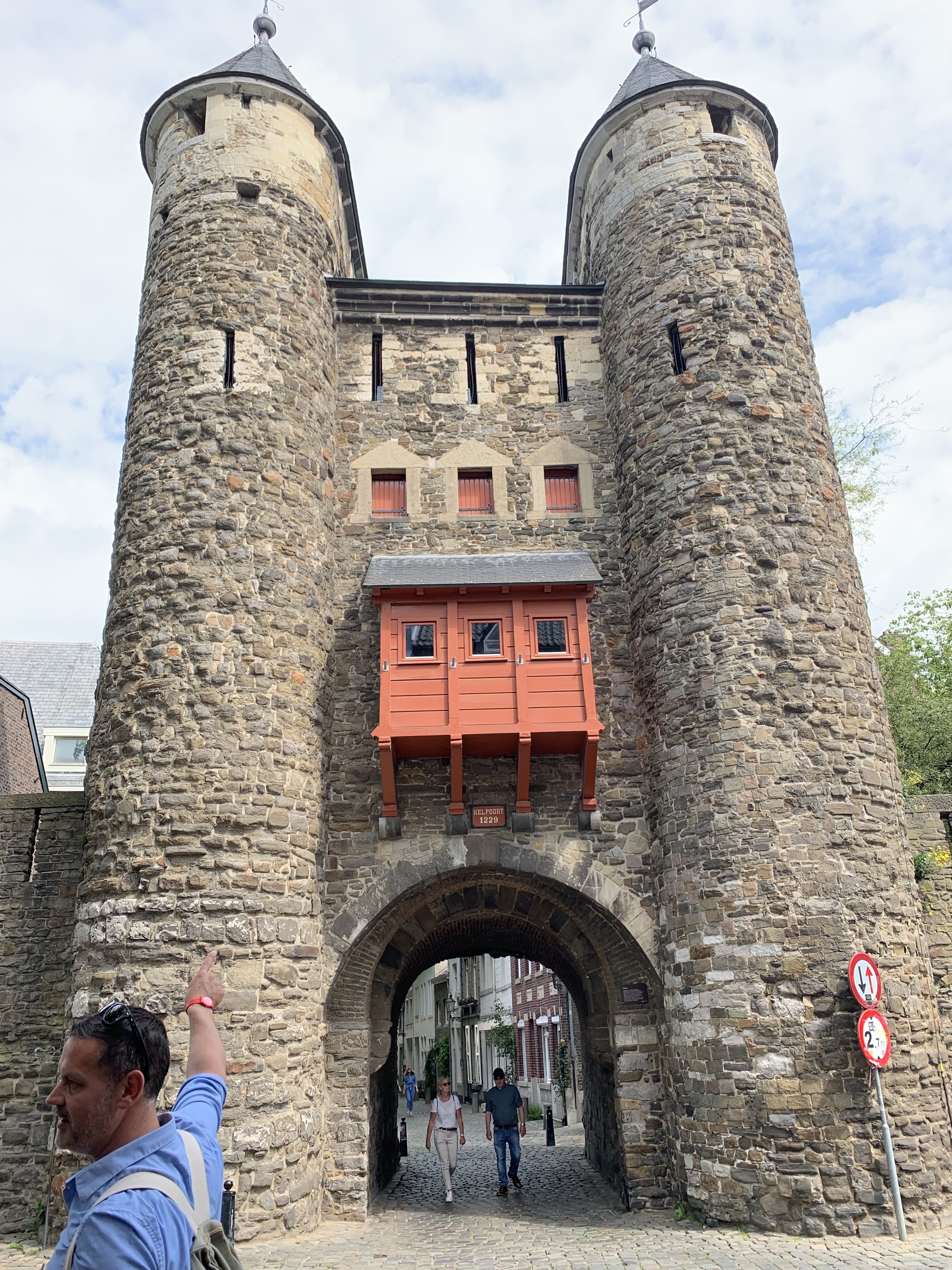
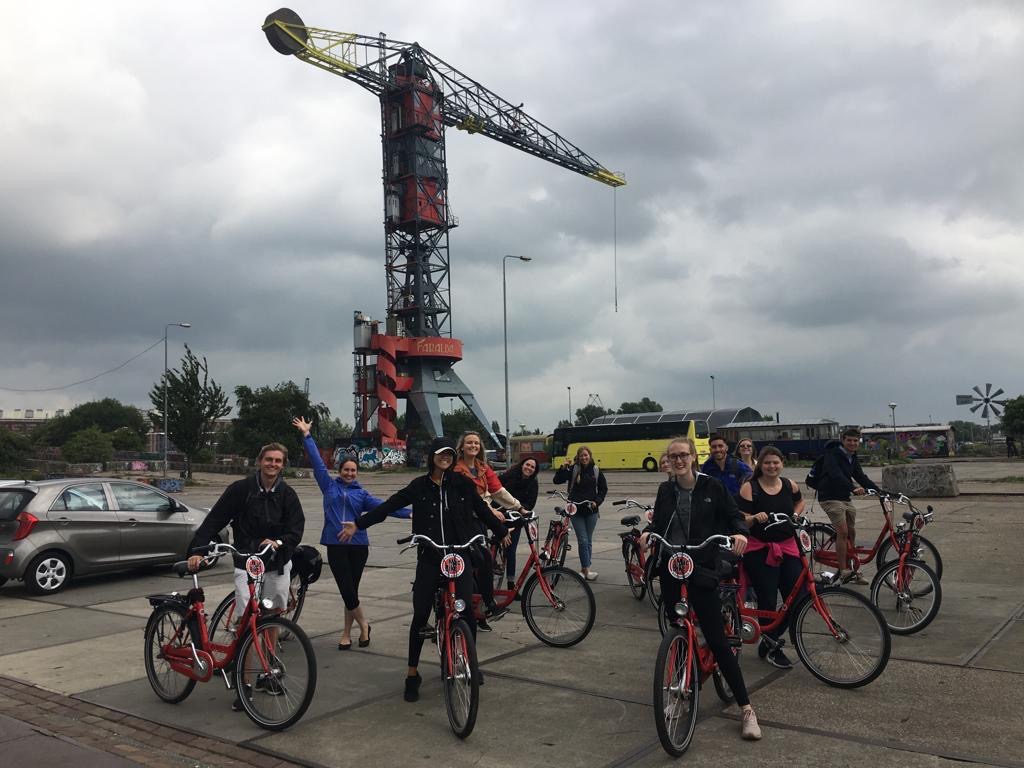
During both the bike and walking tour of the city I also learned a significant amount about the history of Maastricht. For instance, Maastricht is the capital city of the Dutch province of Limburg. It is located on both sides of the Meuse river, at the point where the Jeker River joins it and their national colors are red and white in commemoration of the Maltese cross. Maastricht also developed from a Roman settlement to a religious center, a garrison city and an early industrial city. Nowadays, it is known as a city of history, culture, local folklore, and education, and has the second highest amount of national heritage sites in the Netherlands after Amsterdam, numbering 1,677. Additionally, Maastricht has become known, by way of the Maastricht Treaty, as the birthplace of the European Union, European citizenship, and the single European currency, the euro. The town is popular with tourists for shopping and recreation, and has a large growing international student population because of Maastricht University. Furthermore, Maastricht is a member of the Most Ancient European Towns Network and is part of the Meuse-Rhine Euroregion, which includes nearby cities Aachen, Eupen, Hasselt, Liège and Tongeren.
Non-Governmental Organization
A non-governmental organization (NGO) is any non-profit, voluntary citizens’ group which is organized on a local, national or international level. Task-oriented and driven by people with a common interest, NGOs perform a variety of service and humanitarian functions, bring citizen concerns to Governments, advocate and monitor policies and encourage political participation through provision of information. Some are organized around specific issues, such as human rights, environment or health. They provide analysis and expertise, serve as early warning mechanisms and help monitor and implement international agreements. Their relationship with offices and agencies of the United Nations system differs depending on their goals, their venue, and the mandate of a particular institution.
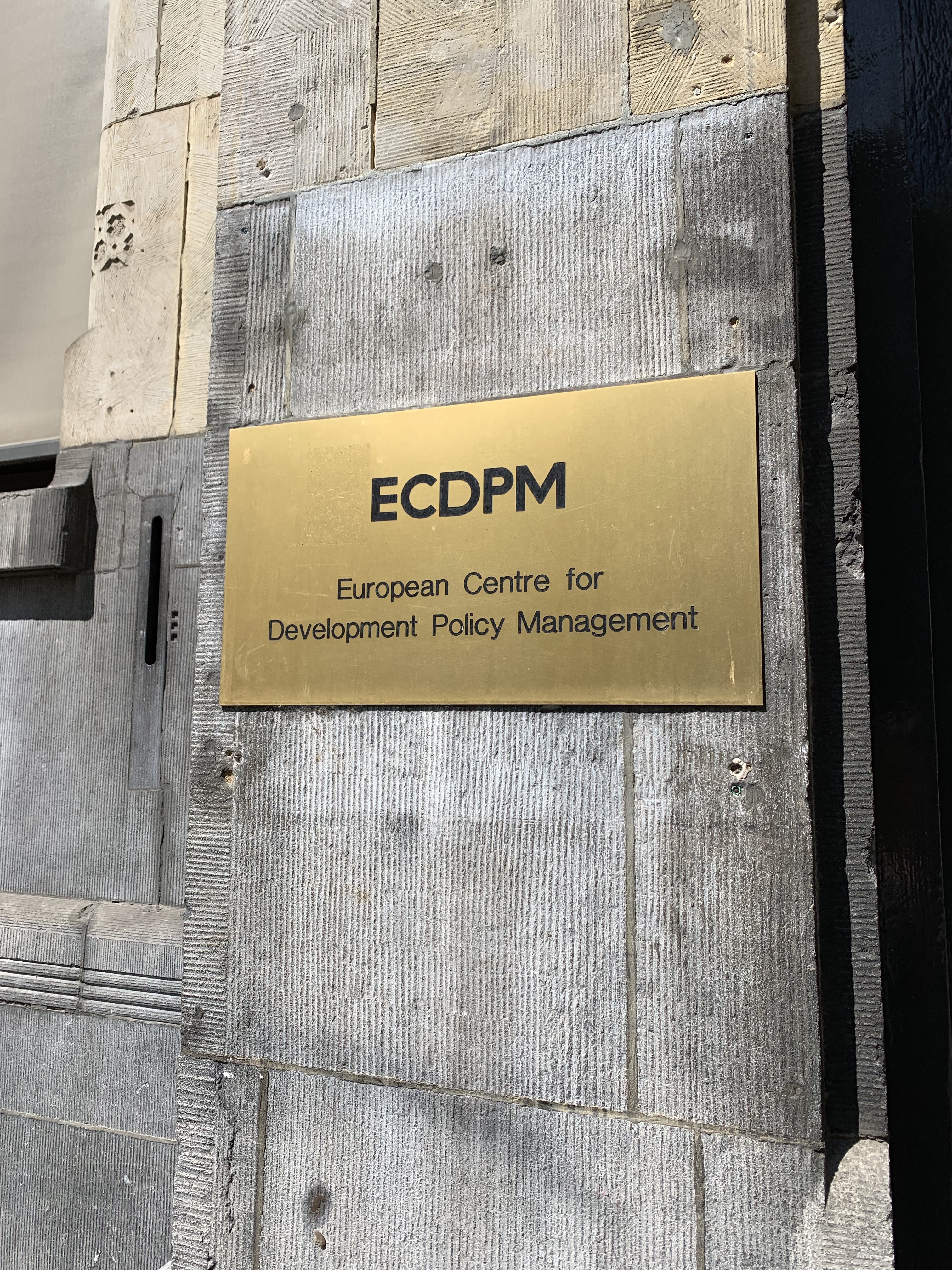
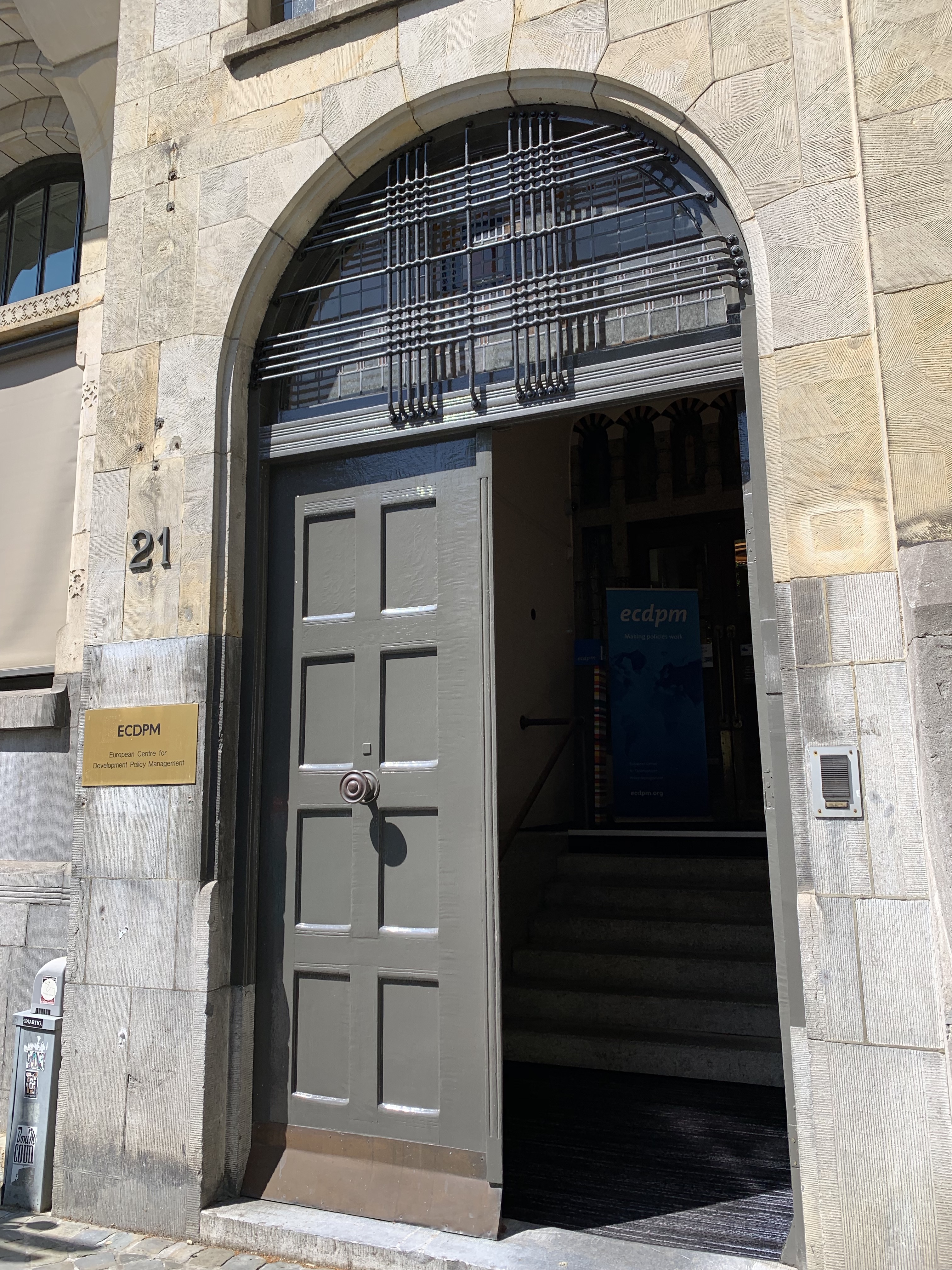
Some of the NGOs my International Environmental Law and Sustainability and Global Corporate Leadership class learned about and visited were The European Centre for Development Policy Management (ECDPM), Sustainable Amsterdam, and Amnesty International.
ECDPM is a “think-and-do-tank” that uses their expertise to help African leaders establish policies to benefit their communities and monitor and support development co-operation between the European Union and African, Caribbean, and Pacific countries. Their main areas of work include EU external affairs, peace and security, African institutions, migration, food security, economic transformation and economic diplomacy. Their aim is to promote inclusive forms of development and cooperates with public and private sector organizations to better manage international relations. It also supports the reform of policies and institutions in both Europe and the developing world.
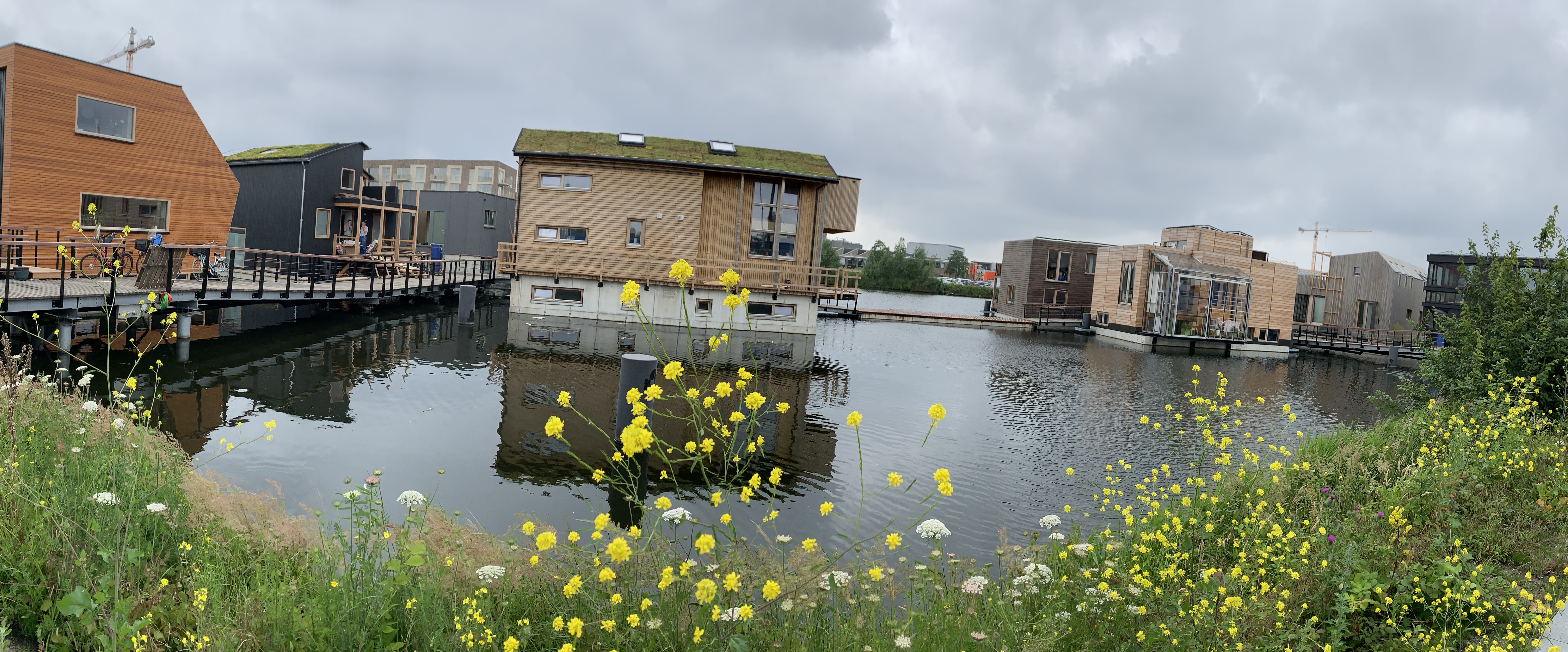
Sustainable Amsterdam is a boutique consultancy focused on sharing and leveraging Amsterdam and Dutch-based approaches and solutions for more sustainable, smart, and livable cities through water, energy and waste management, housing, community projects, and start-ups. Founded by Cornelia Dinca, Sustainable Amsterdam is run by a small team with a strong network, capable of connecting others to the most innovative policies, projects, and people in Amsterdam.
Amnesty International is a London-based NGO focused on human rights. With a global movement of more than 7 million people who take injustice personally, Amnesty International not only seeks the release of political prisoners but also seeks to uphold the whole spectrum of human rights. Their work protects and empowers people – from abolishing the death penalty to protecting sexual and reproductive rights, and from combatting discrimination to defending refugees and migrants’ rights. They speak out for anyone and everyone whose freedom and dignity are under threat. To do this they investigate and expose the facts, whenever and wherever abuses happen and lobby governments and other powerful groups such as companies to make sure they keep their promises and respect international law. They also tell the powerful stories of the people they work with to mobilize millions of supporters around the world to campaign for change and to stand in defense of activists on the frontline. Furthermore, they support people to claim their rights through education and training.
Corporate Citizenship
For the past fifty years the concept of whether or not a profitable, socially conscious company could exist and generate large returns has become a corporate dilemma and major topic of interest in the digital age. Modern corporations are responsible for increasing shareholder returns and maximizing profit during each reporting period. As a result of this duty, some argue that corporations, by necessity, cannot afford to look past their bottom line. Anything else, these advocates often argue, is just extraneous to the mission of profit.
Personally, I and many other believe this way of thinking is not only misguided but also short-sighted and harmful. In an age of social media, where information flows faster than ever before, it’s actually the case that being a good corporate citizen pays out dividends ― both to the corporation itself as well as society at large. In other words, acting in a socially responsible manner is actually good for business! Therefore, I firmly believe that corporations have an obligation to society as a whole, not just to investors, employees or customers; they should be socially and ethically minded, taking on a worthy cause whether it be environmental issues or community concerns.
Networking
Unfortunately, I did not network while I was abroad, but after visiting with corporate leaders, learning about the theories, philosophies, and standards of European practice, and engaging in factory, company, and cultural tours, I have become much more passionate about the possibility of working with a European company that focuses on social and environmental sustainability initiatives.
While abroad I have also learned more about the importance of networking and cultivating business relationships when writing thank you cards to the number of corporate leaders and tour guides we got the privilege of meeting over the course of our study abroad experience. Through writing these leaders, I learned that sending thank-you cards is a thoughtful way not only express gratitude but also show the recipient that you value them and the relationship you and/or organization has with them. Additionally, it helps to present yourself and your business in a more positive light when you’re making new contacts. Thus, taking the time to formally thank business professionals for meeting with you or sharing ideas at a corporate event can help cement a new business relationship.
Maastricht University Medical Center+
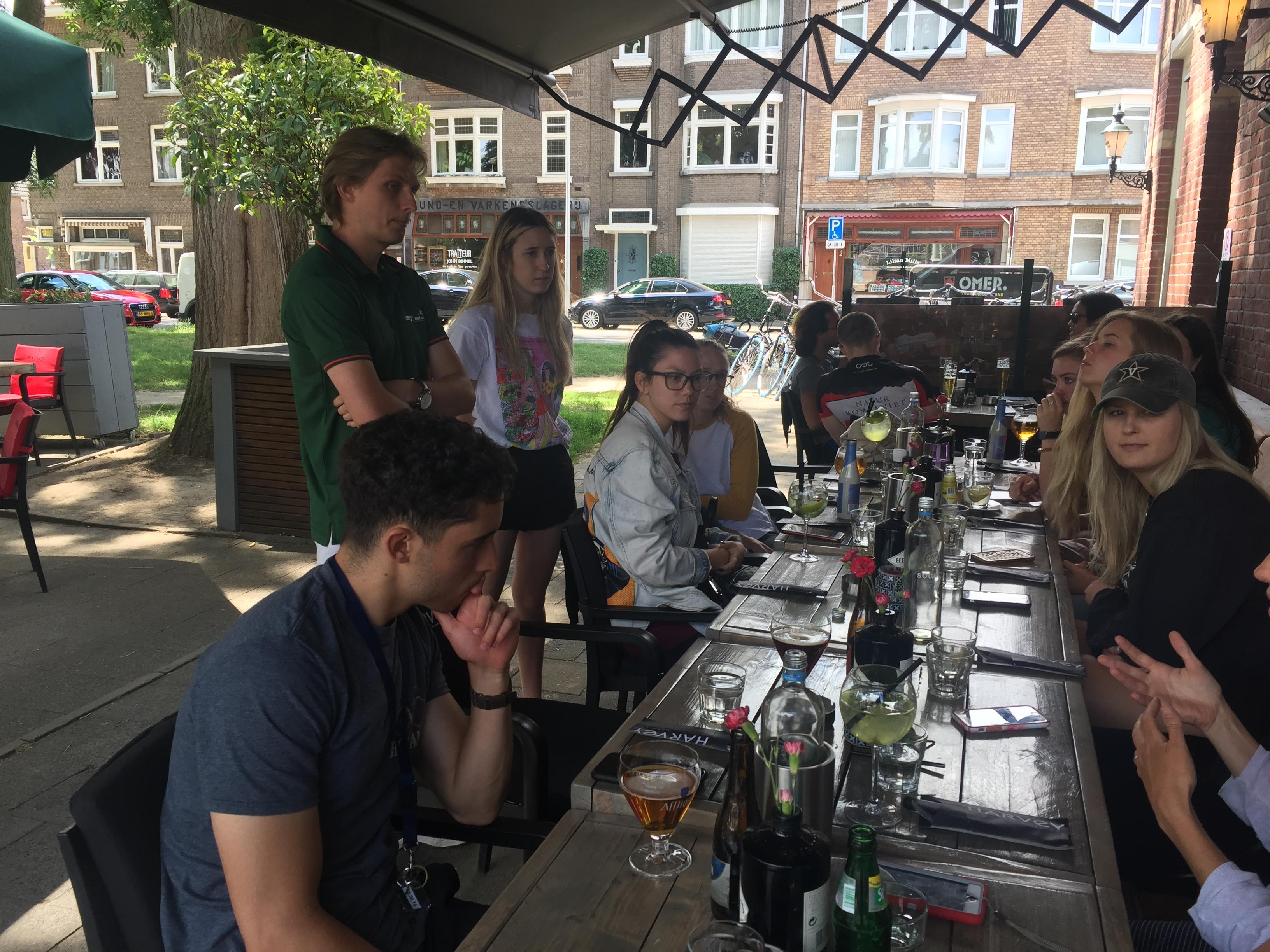
During lunch at Harvey’s, Alex and Megan gave a presentation on the Maastricht University Medical Center+ or Maastricht UMC+, which is an academic hospital in the city of Maastricht and affiliated with Maastricht University. During their presentation we learned that the hospital is one of eight university medical centers in the Netherlands and is part of Netherlands Federation of University Medical Centers. Maastricht UMC+ has three core tasks ― healthcare, scientific research, and education with a special focus towards prevention and health promotion which includes four profile areas ― cardiovascular disease, respiratory disease, oncology, and brain and nervous disorders. The staff is also composed of 7,593 employee of which 4,000 are students and volunteers, which allows medical students an exceptional amount of hands on experience as they make strides to further their medical education.
Throughout Alex and Megan’s presentation, their topic proved to showcase an interesting contrast between the Netherlands and United States’ health care system. In America, health care is quite expensive for the average citizen due to a combination of factors such as high deductibles for insurance and the lack of taxes dedicated to health care. In the Netherlands, however, they pay much higher taxes especially when it comes to health care, so their medical bills end up being much cheaper. As a result, Netherlands citizens are much more likely to visit the doctor for both minor and major medical issues than the average US citizen.
Vodafone
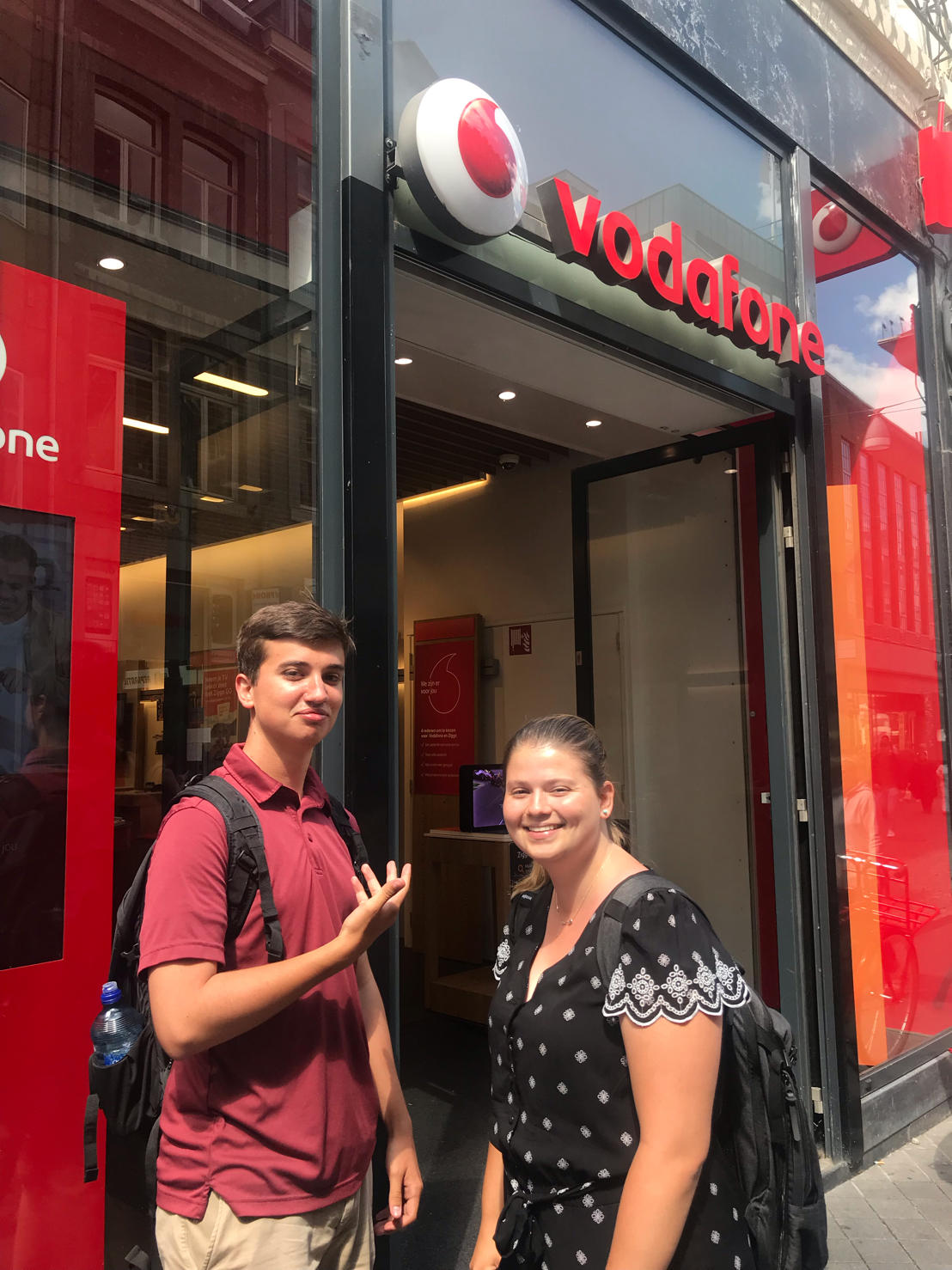
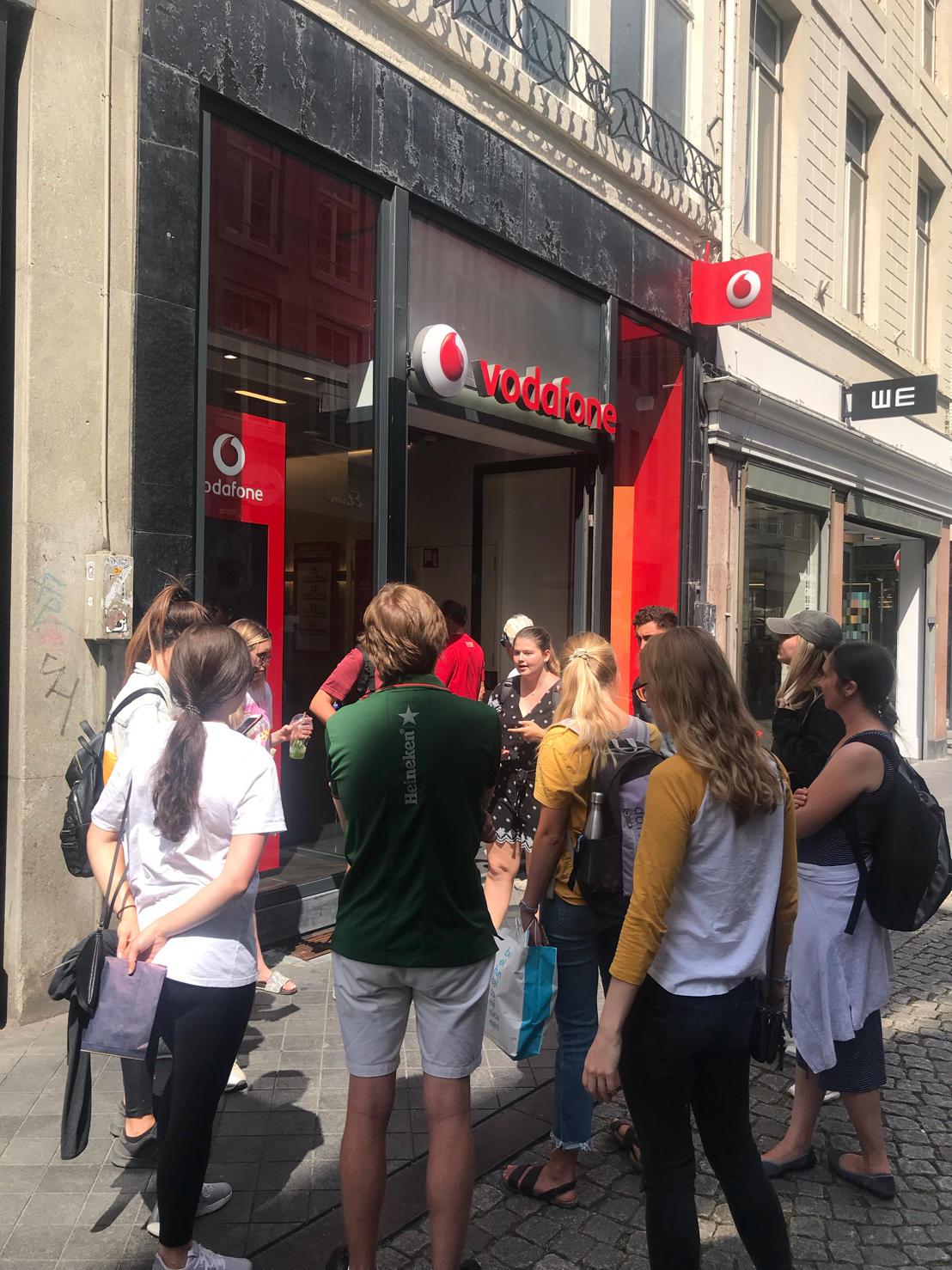
After treating ourselves to some ice cream at Pinky, our favorite ice cream shop in Maastricht, we visited Vodafone were Jacob and I gave a presentation on the company and how they are making strides to become more socially and environmentally sustainable. During our presentation we informed our class that Vodafone is a British multinational telecommunications conglomerate headquartered in London and Newbury, Berkshire. They are #2 in Netherlands and #4 globally for mobile users and provide a wide range of services to both consumer and enterprise customers. They offer Mobile, Fixed, and TV to their customers and are an industry leader in Internet of Things (IOT) delivering cloud, security, and carrier services to their enterprise customers.
Vodafone acknowledges that their products and services play a central role in the daily lives and livelihoods of more than half a billion people across more than 25 countries and that innovation and technology doesn’t stand still. As it develops so do the opportunities for them to help even more people and communities around the world. Therefore, they strive to empower women and promote gender equality, so that they can enable communities, economies, and businesses – including their own – to prosper. In 2025, they aim to connect an additional 50 million women living in emerging markets to mobile with the ultimate goal to eventually become the world’s best employer for women. Additionally, they aim to support 10 million young people in gaining access to digital skills, learning and employment opportunities and provide 100,000 opportunities for young people to receive a digital learning experience at Vodafone by 2022. Moreover, they aim to reduce their greenhouse gas emissions by 50% and to purchase 100% of the electricity they use from renewable sources by 2025.
Anheuser-Busch / Joao Mauricio de Castro Neves
Once Jacob and I gave our presentation on Vodafone, Danielle presented on Anheuser-Busch and their CEO Joao Mauricio de Castro Neves. She taught us that Anheuser-Busch sets goals and works hard to reduce the environmental impact of their entire supply chain by using more recycled content in their packaging than ever before, working to convert their entire dedicated fleet to zero emissions vehicles, and obtaining more purchased electricity from renewable sources to reduce their carbon footprint. Additionally, as a part of Anheuser-Busch’s ‘Brew a Better World’ campaign they have committed to diversity and inclusion and to create a community that inspires, respects, and includes one another.
 Sarah's European Voyage