
Compared to other provinces in the Netherlands, Limberg has a more varied landscape, with woods, a big river – Maas, beautiful natural parks, a region of hills and ridges – Vaalserberg, and interesting towns, castles, good museums, and wineries. They also celebrate a weeklong festival called Carnaval during the days leading up to Ash Wednesday, which involves many extravagant traditions, including costume parades, group dancing, and satirical songs.
Brightlands Chemelot Campus
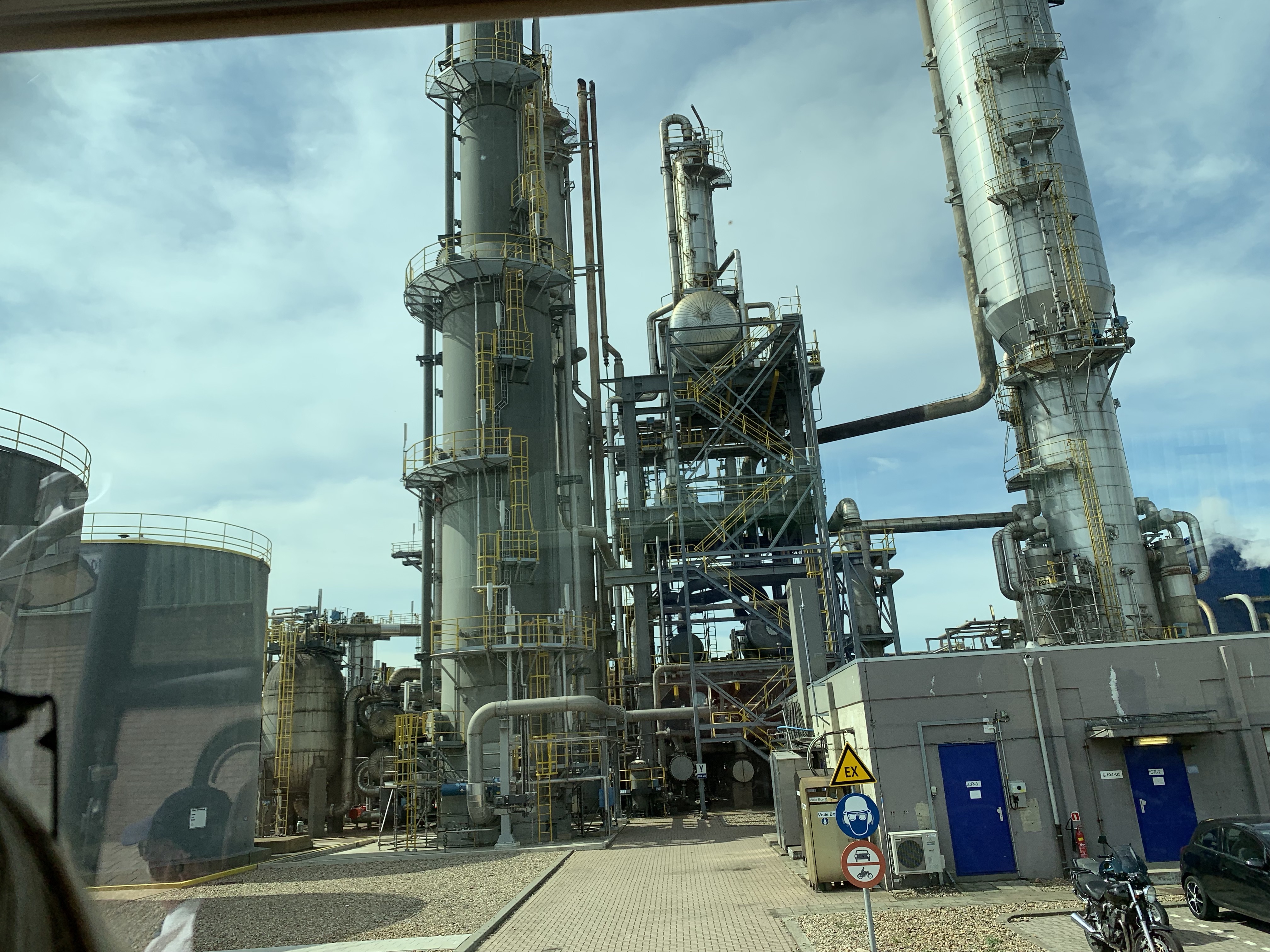
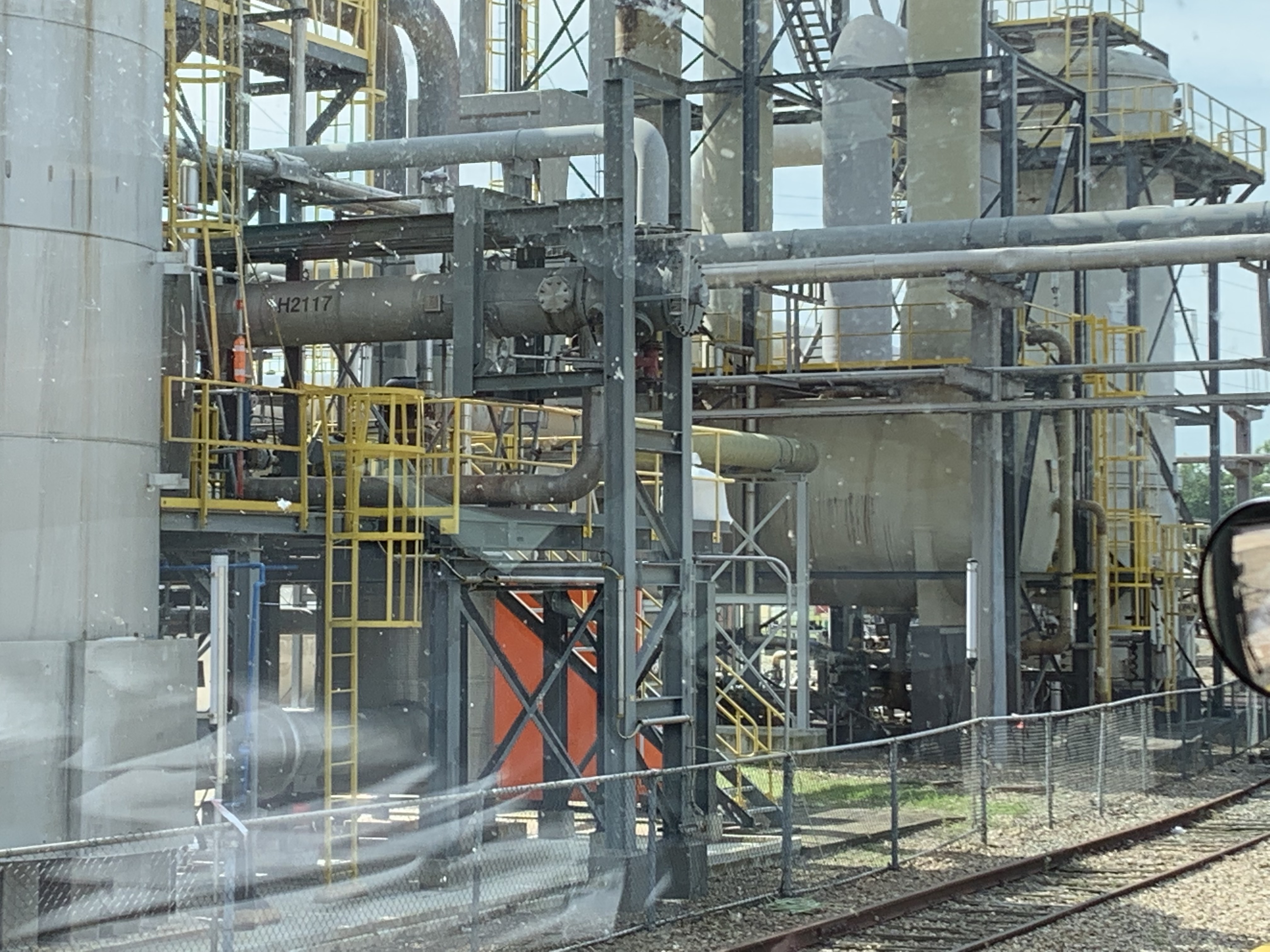
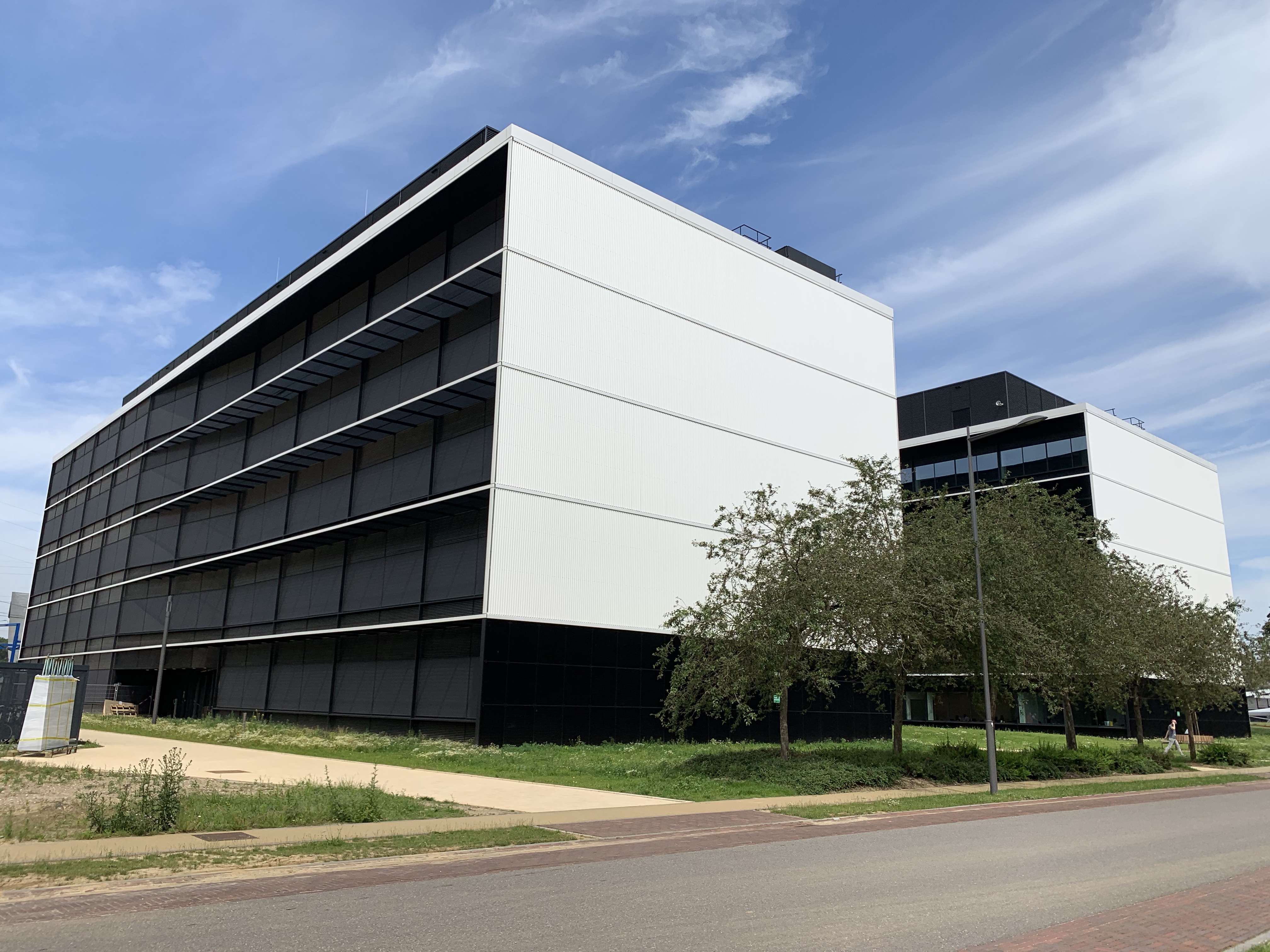
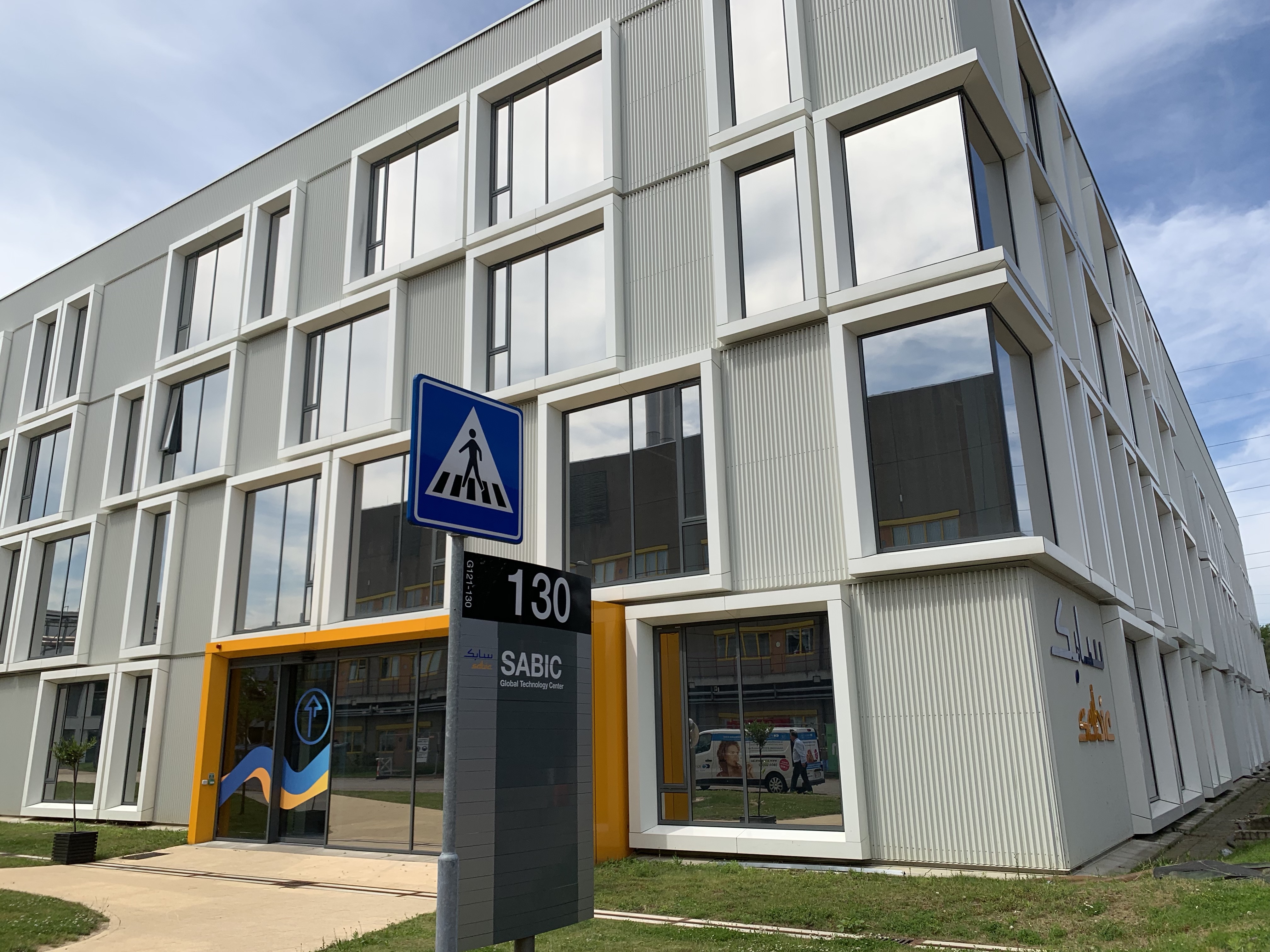
Upon arriving in the province of Limburg, Netherlands, my International Environmental Law and Sustainability and Global Corporate Leadership class toured the Brightlands Chemelot Campus in Geleen. During the tour we learned that the Chemelot campus focuses on chemical production and is one of the largest industrial sites in Western Europe, boasting 60 chemical plants and 8,000 workers. We also got the chance to get an insider’s view into some innovative initiatives different companies are implementing, how large industrial businesses are managed, as well as some knowledge on chemicals used to make everyday items like plastic bags and LEGOs.
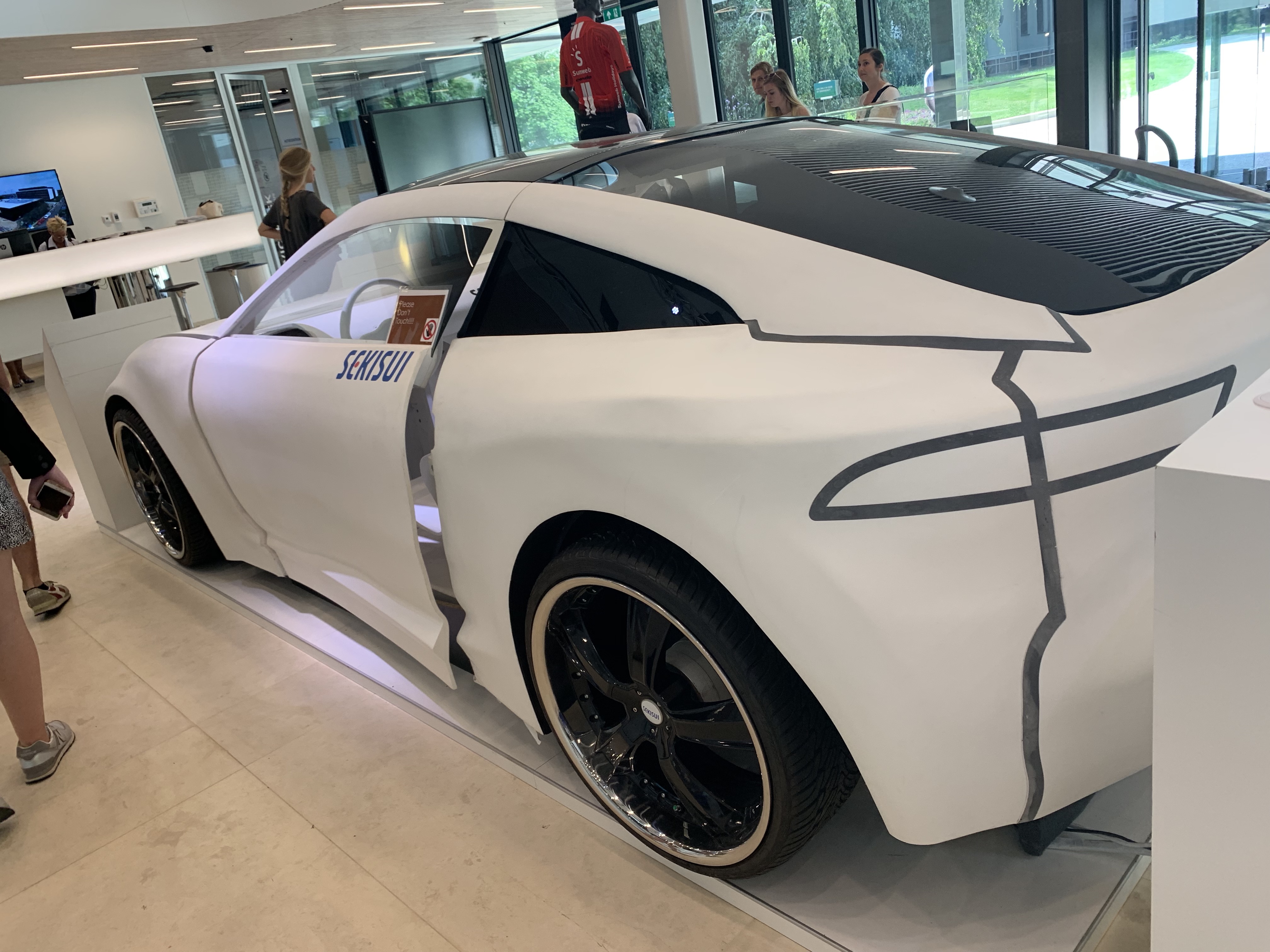
One innovative initiative happening among the different companies within the Chemelot campus is Sekisui S-Lec who is world leader in creating so-called PVB film, which are transparent, adhesive films that are mainly used for safety glass in, among other things, car windows of BMW, Tesla, and Mini cars from VDL Nedcar. The foil they create prevents shards from flying around, for instance in case of an accident. Additionally, Sekisui is developing new applications in cars such as self-driving cars that will communicate with pedestrians/other road users via text on car windows.
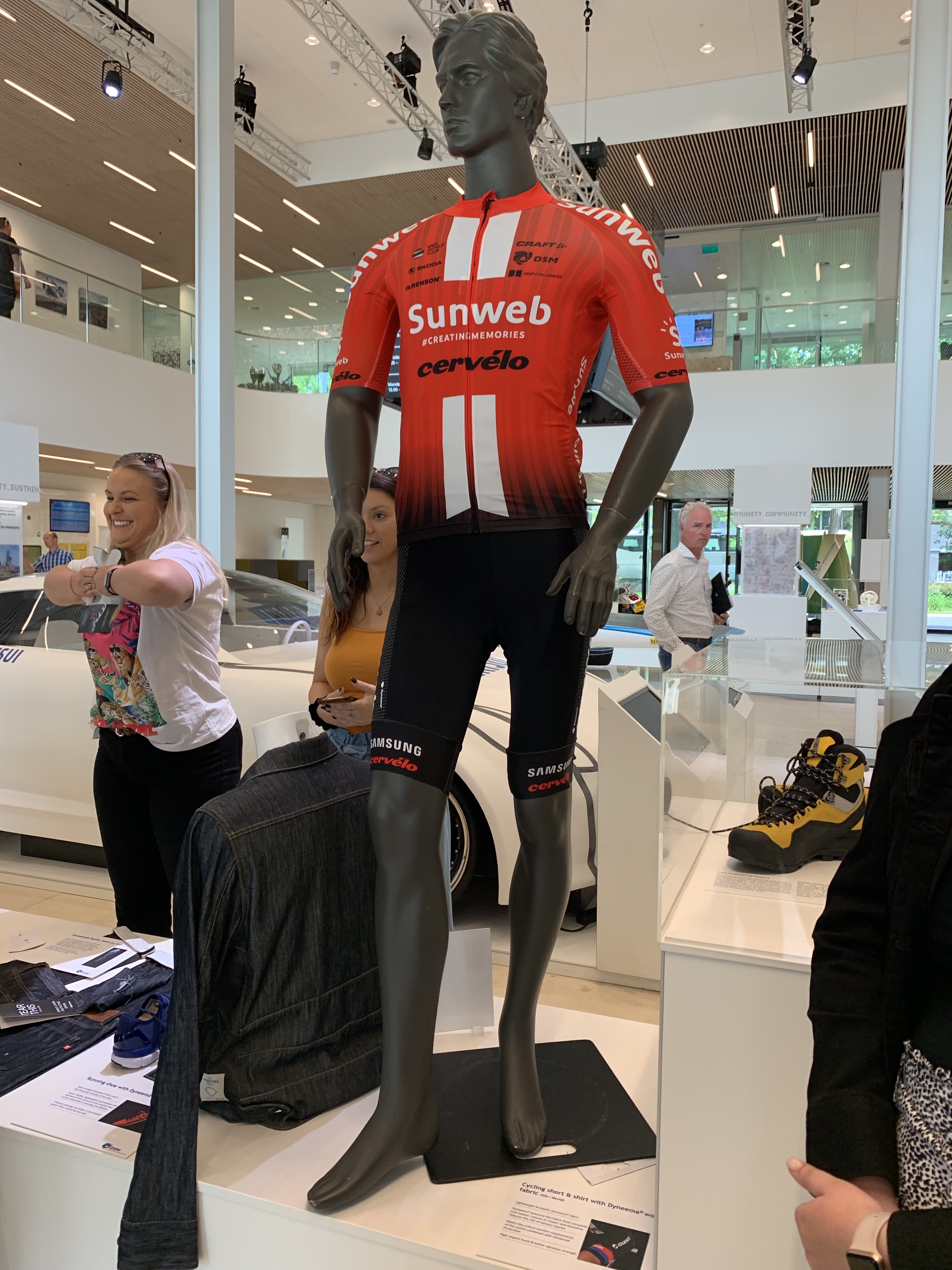
Another innovative initiative going on at the Brightlands Chemelot Campus is with the company Dyneema, which are the inventors and manufacturers of Ultra High Molecular Weight PolyEthylene (UHMWPE) fiber, the world’s strongest fiber. Dyneema is said to offer maximum strength combined with minimum weight and be up to 15 times stronger than quality steel and up to 40% stronger than aramid fibers. Dyneema fiber can also float on water and is extremely durable and resistant to moisture, UV light, and chemicals. The applications are therefore more or less unlimited. Dyneema is an important component in ropes, cables, and nets in the fishing, shipping and offshore industries and can be used in safety gloves for the metalworking industry and in fine yarns for applications in sporting goods and the medical sector. Lastly, Dyneema is durable enough to be used in bullet resistant armor and clothing for police and military personnel.
DSM
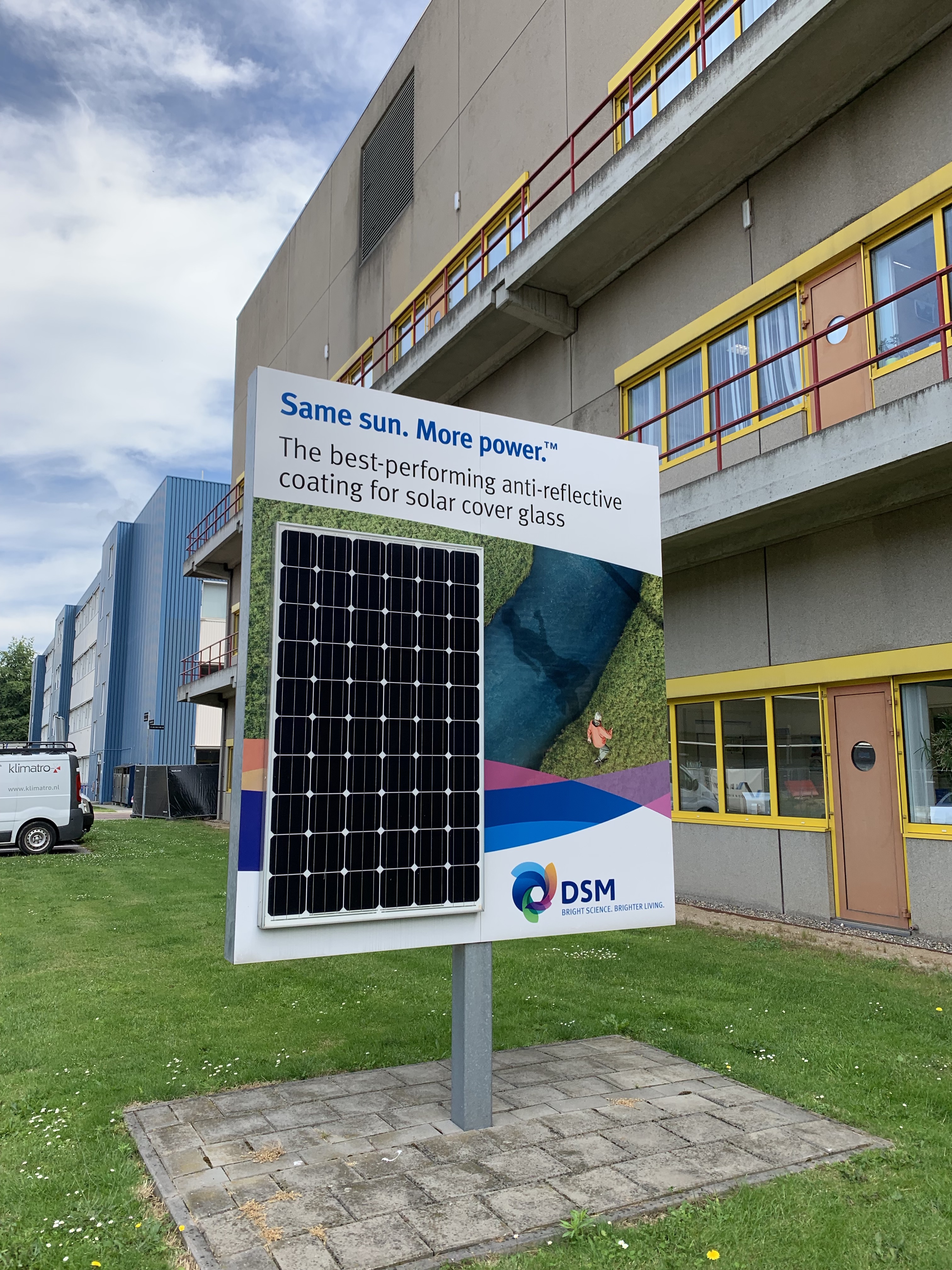
After visiting the Brightlands Chemelot Campus, Mary Caroline (MC) talked to us about Dutch State Mines (DSM) and its CEO, Feike Sijbesma. MC told us that DSM is a global purpose-led, science-based company active in Nutrition, Health, and Sustainable Living. Their purpose is to create brighter lives for all. With their products and solutions they address some of the world’s biggest challenges whilst creating simultaneously economic, environmental, and societal value for all its stakeholders; customers, employees, shareholders, and society-at-large. They also deliver innovative solutions for human nutrition, animal nutrition, personal care and aroma, medical devices, green products and applications, and new mobility and connectivity. Furthermore, DSM and its associated companies deliver annual net sales of about €10 billion with approximately 23,000 employees.
The most interesting aspect of MC’s presentation was learning that DSM’s CEO, Feike Sijbesma brought DSM into a partnership with the United Nations’ World Food Programme (WFP) to provide food assistance to locations like Rwanda and Kenya after witnessing first hand the global food crisis (really the direct result of poor distribution) when a young woman begged him to take her child so that s/he could have a better life.
Brand Brewery
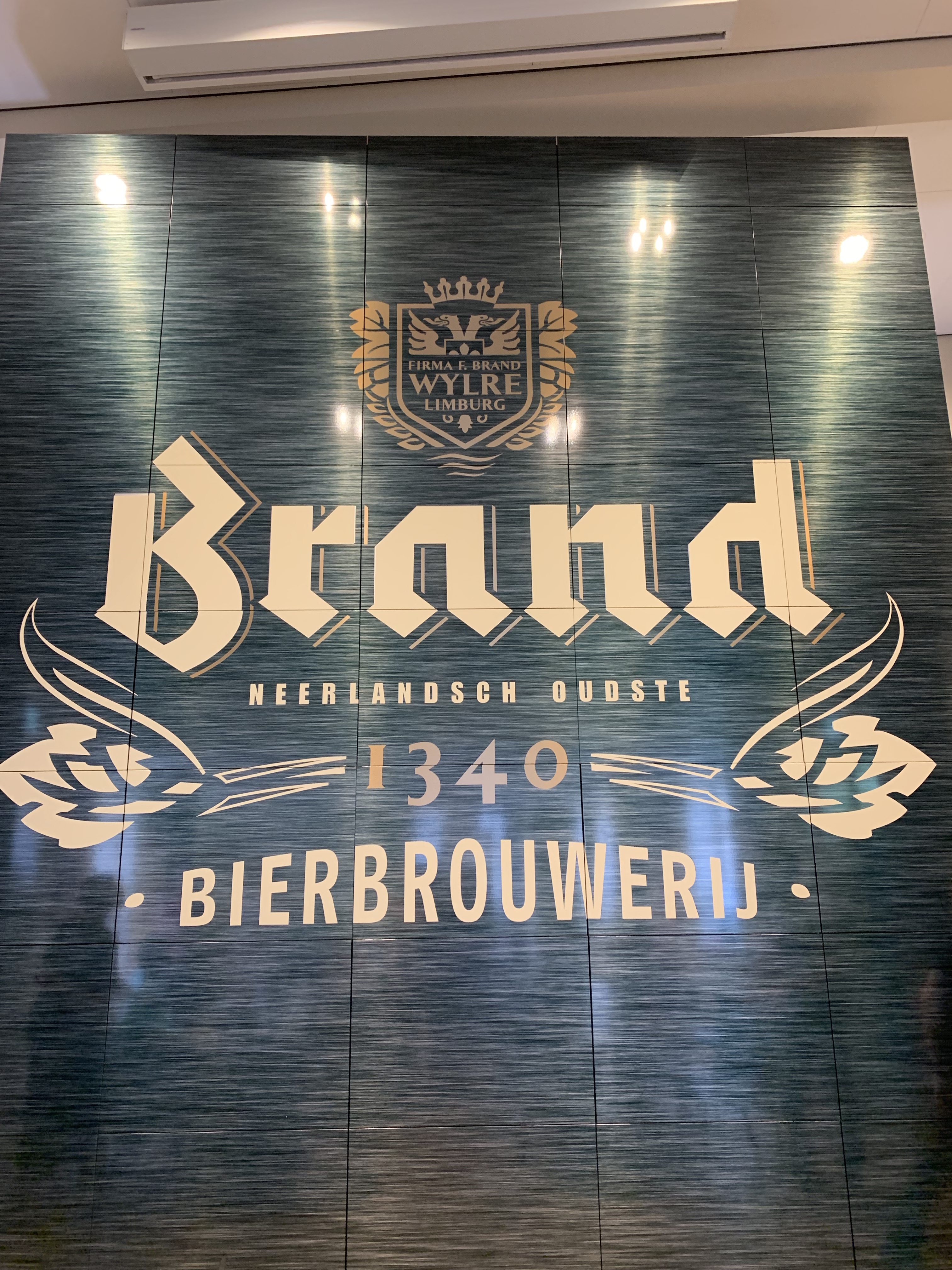
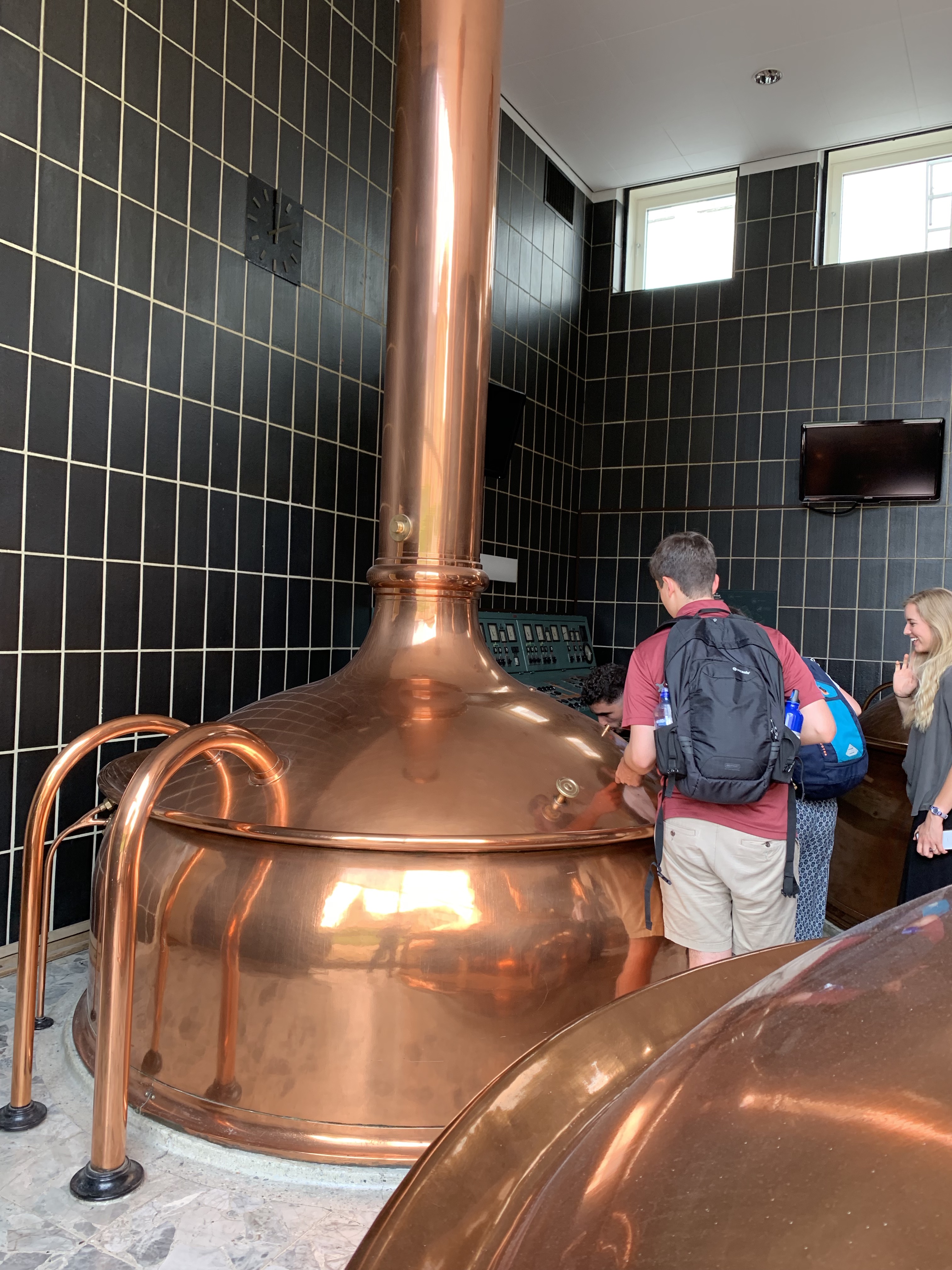
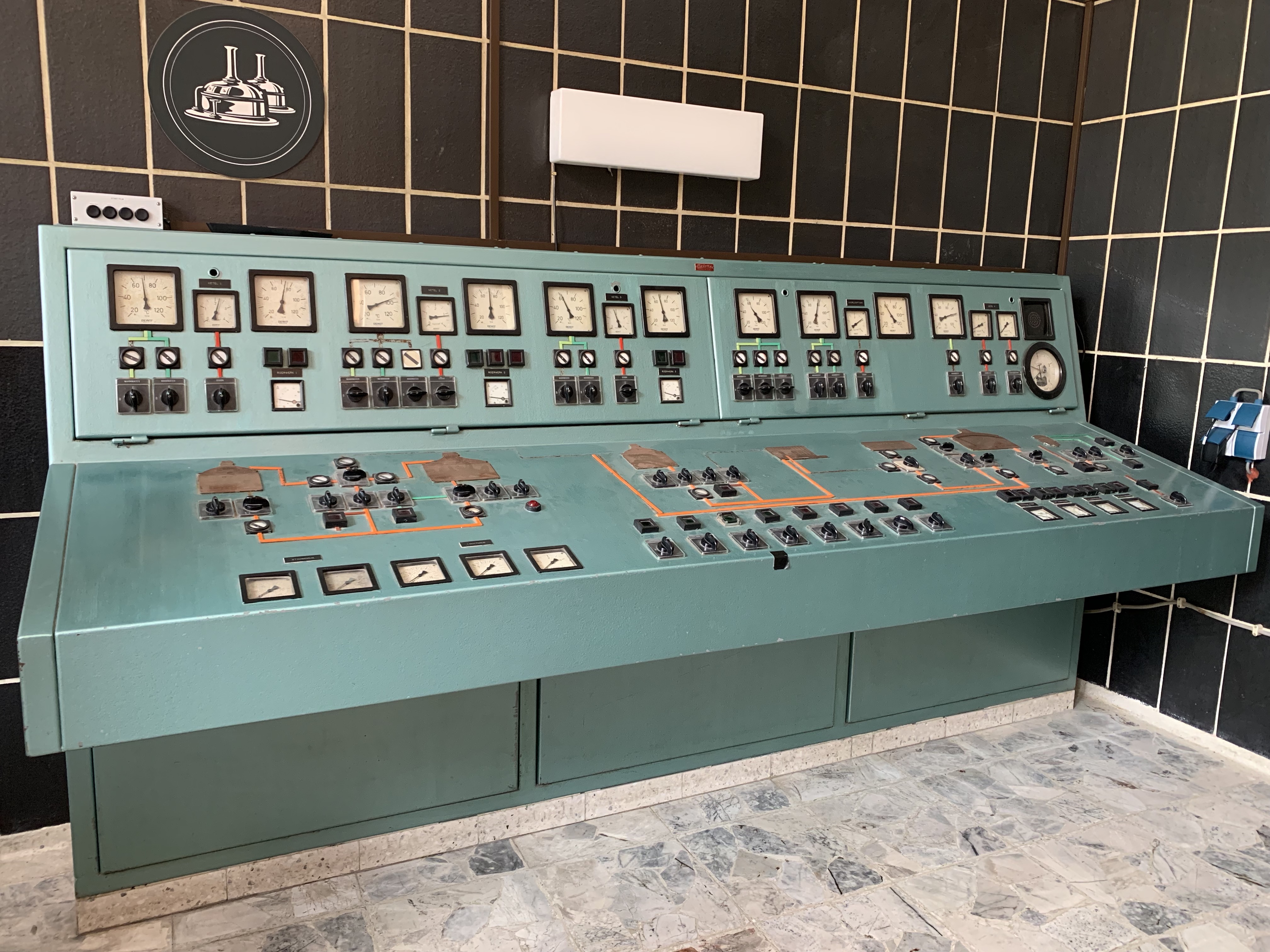
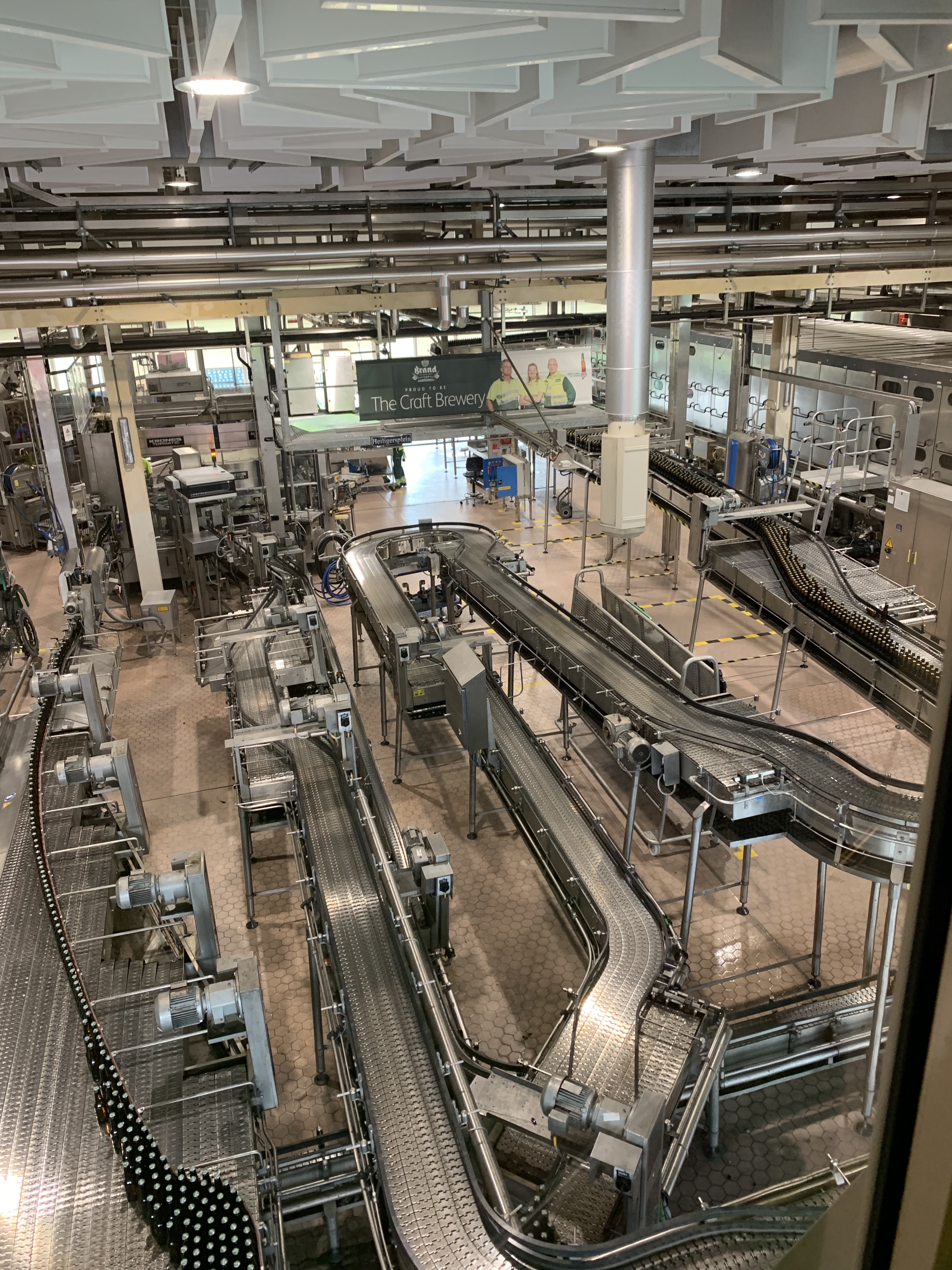
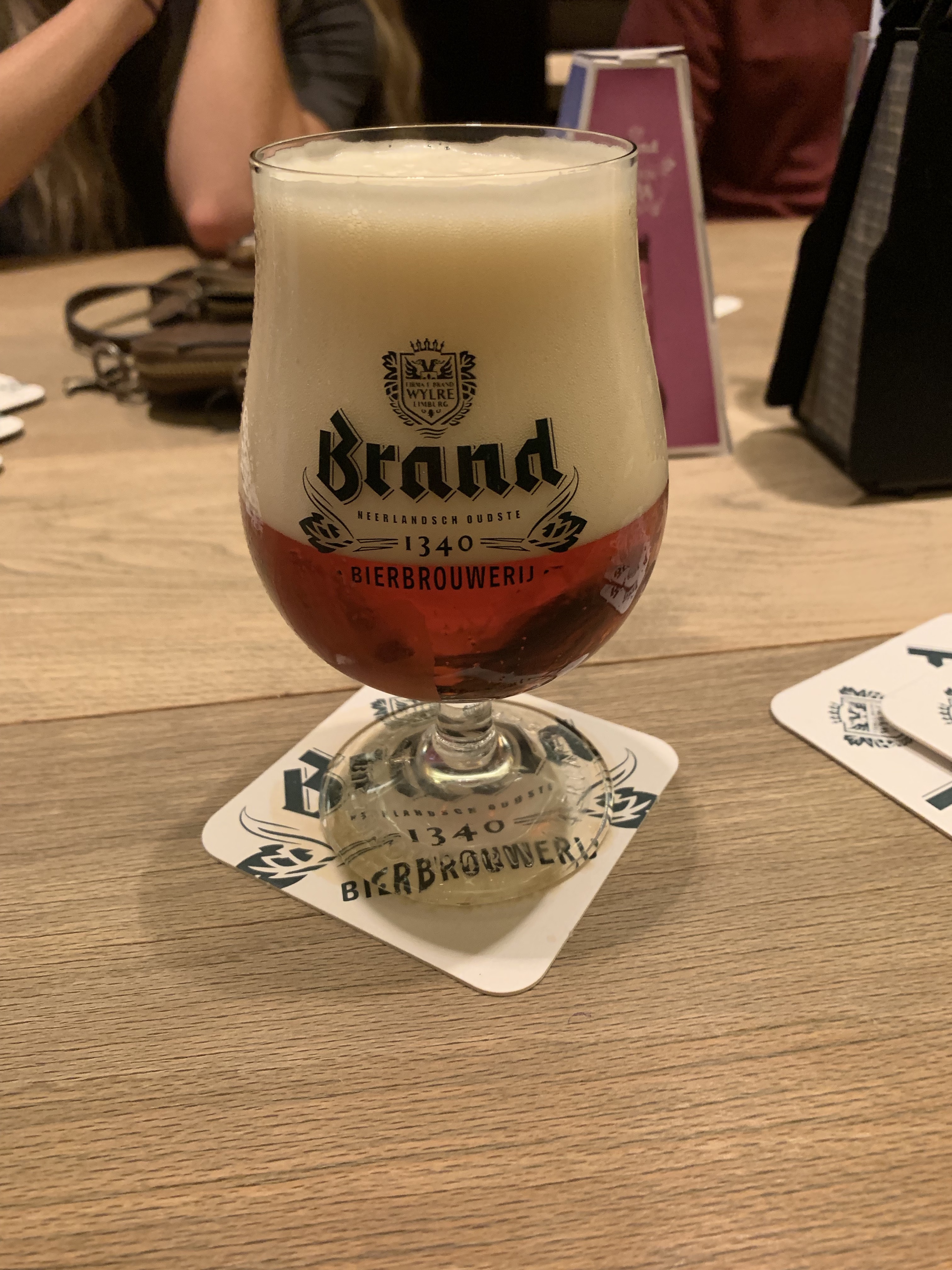
Once finished with lunch, my International Environmental Law and Sustainability and Global Corporate Leadership class traveled to Wijlre to tour Brand Brewery, the oldest brewery in the Netherlands (1340). During the tour, we got the chance to witness Brand’s entire production cycle at work, starting with raw materials and eventually concluding with a finished product. We also learned that Brand Brewery is a Dutch brewery that was founded by Frederick Edmond Brand and his family in 1871 from which the Brewery’s name comes from. In 1989, the company was acquired by Heineken but they continue to remain in management producing eight beers: Brand Pilsener, Brand UP, Brand Oud Bruin, Brand Imperator, Brand Lentebock, Brand Dubbelbock, Brand Sylvester, and Brand Weizen.
Valkenburg Coal Mine
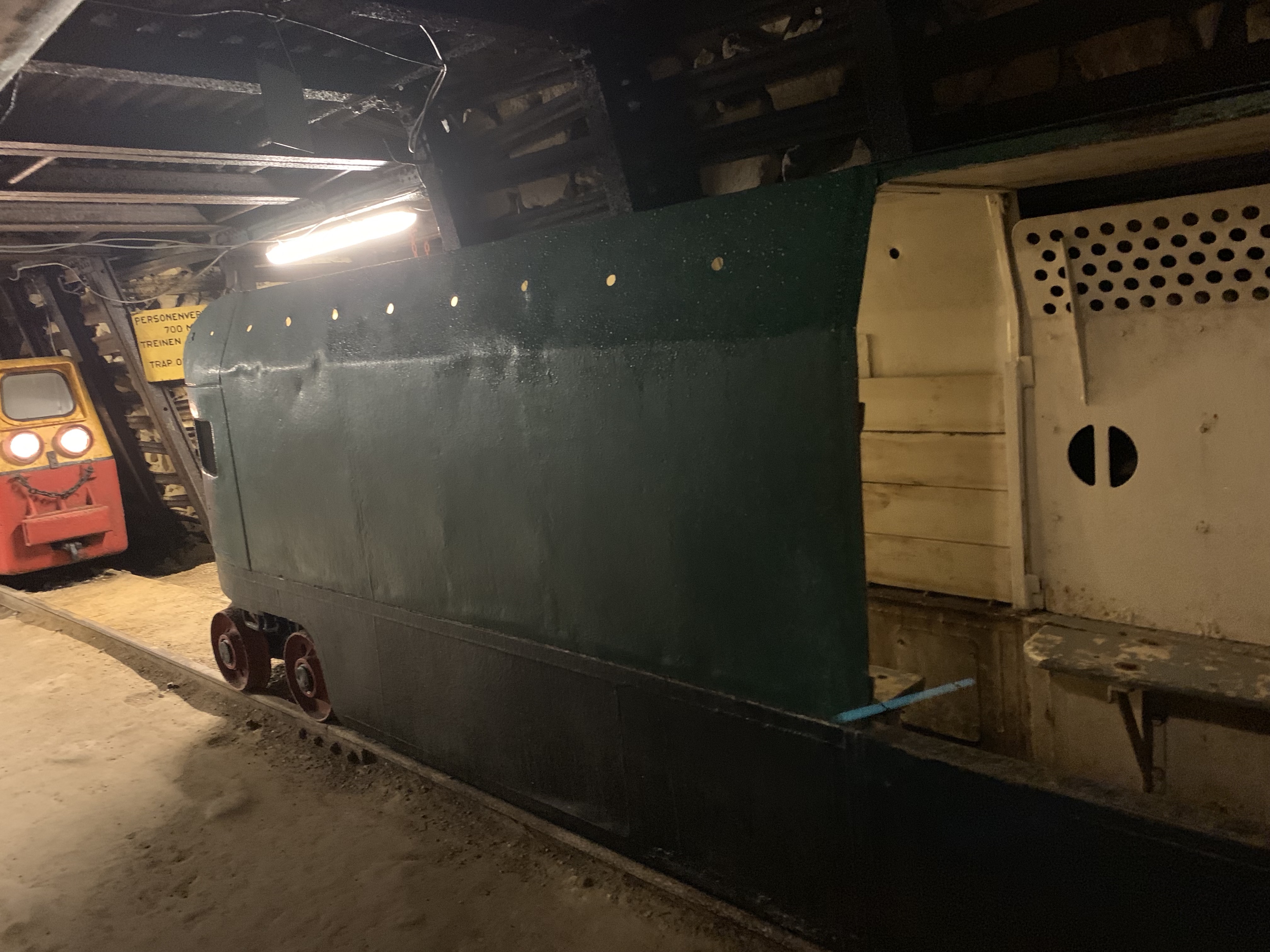
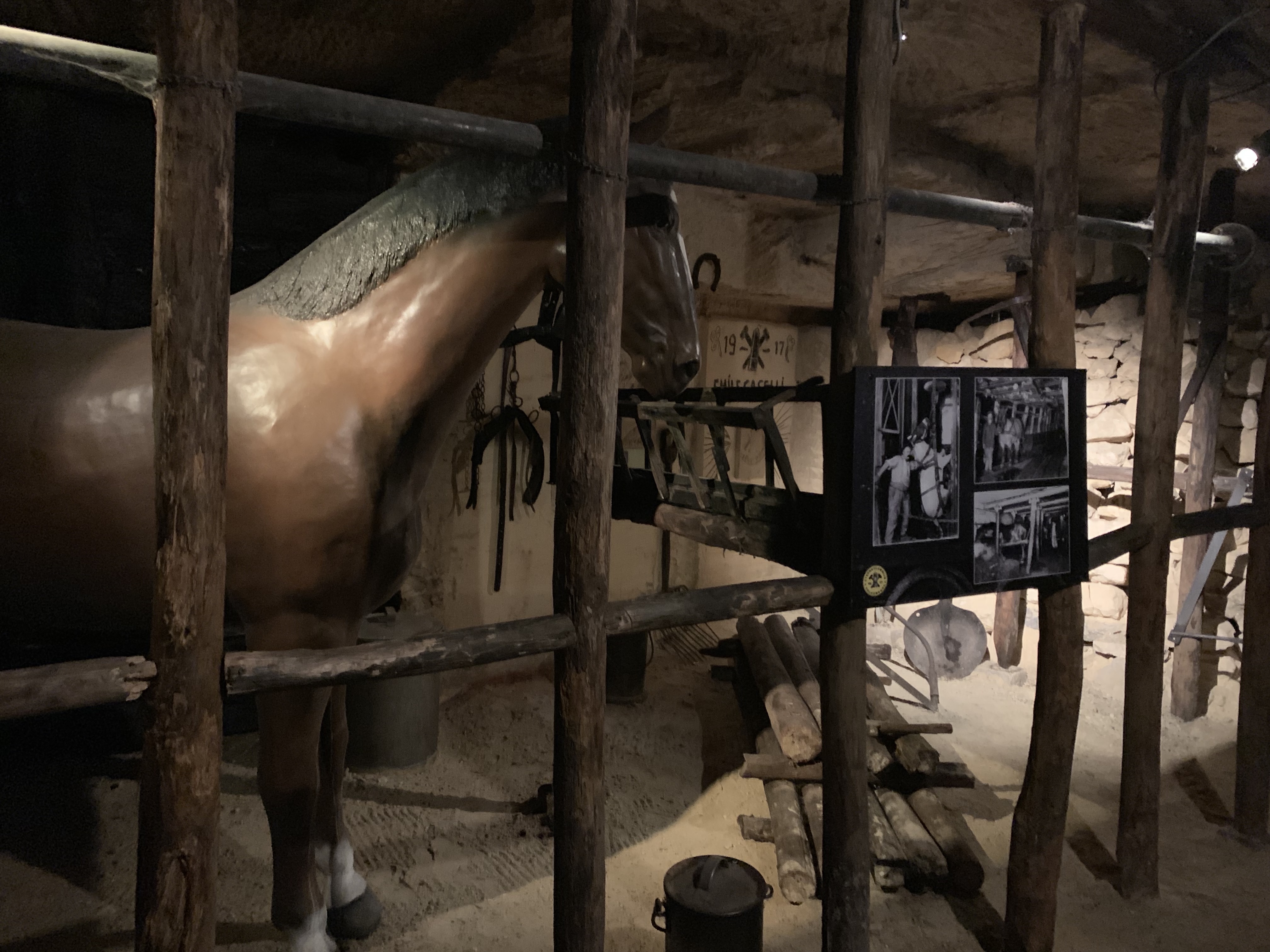
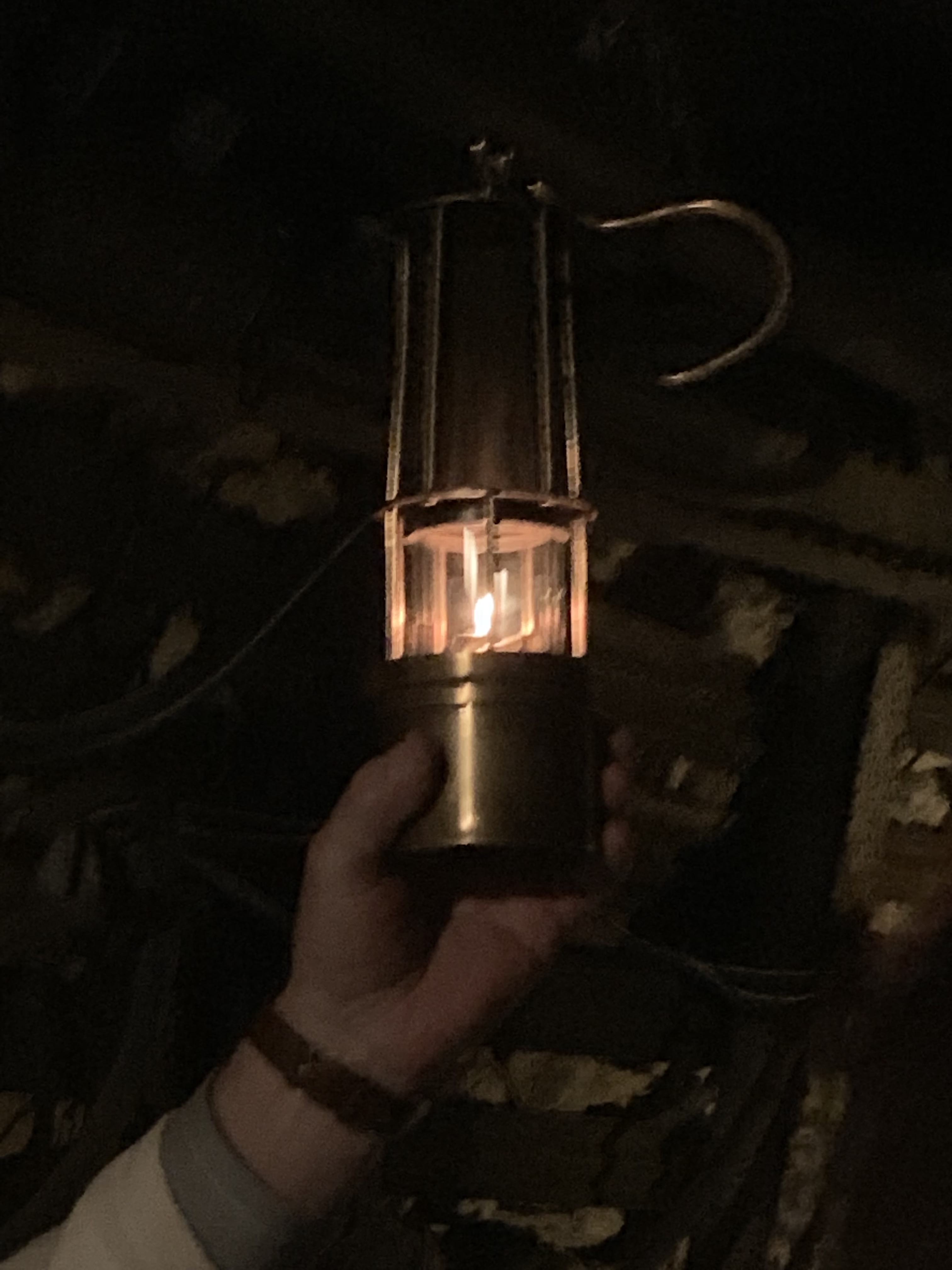
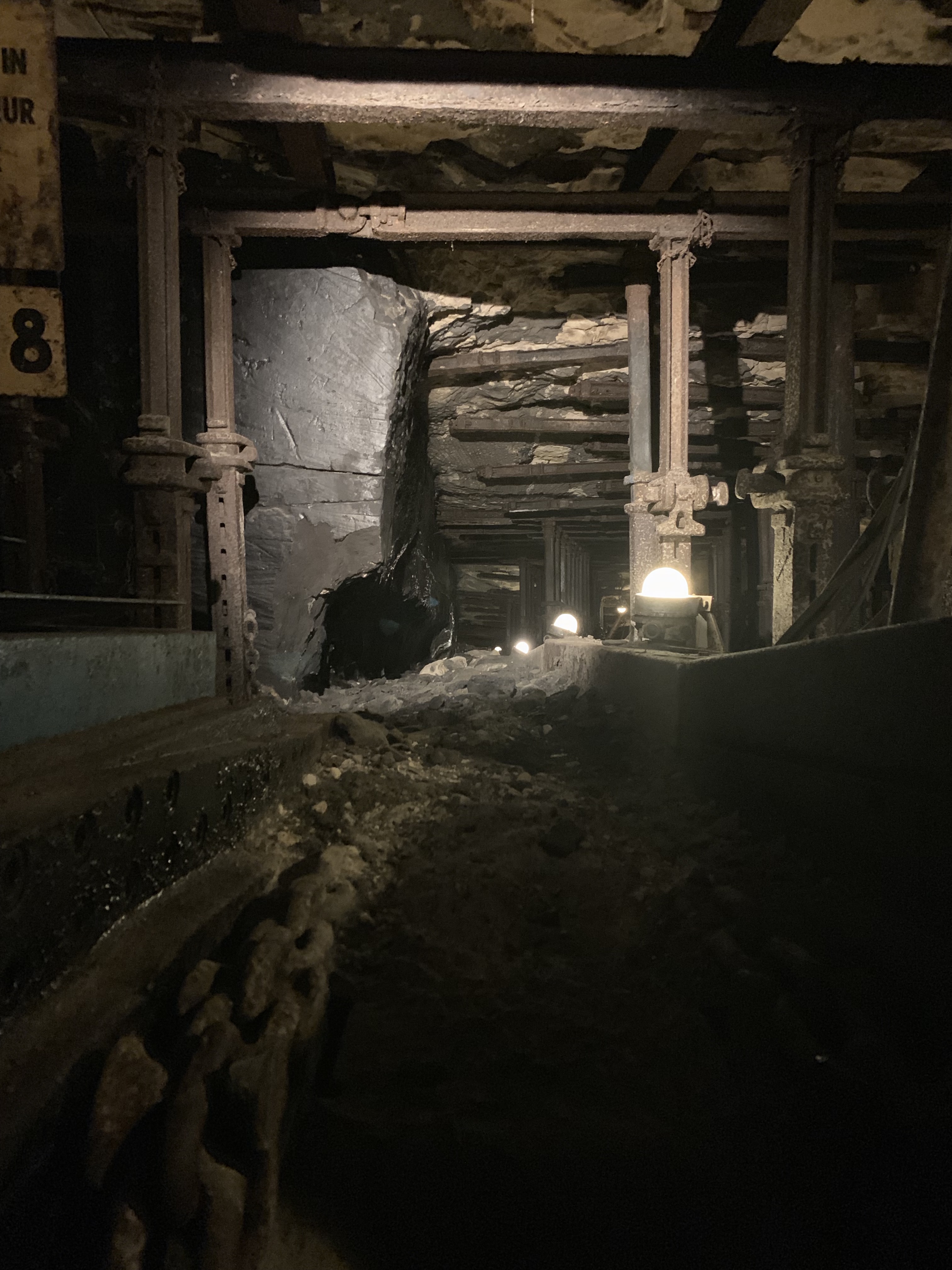
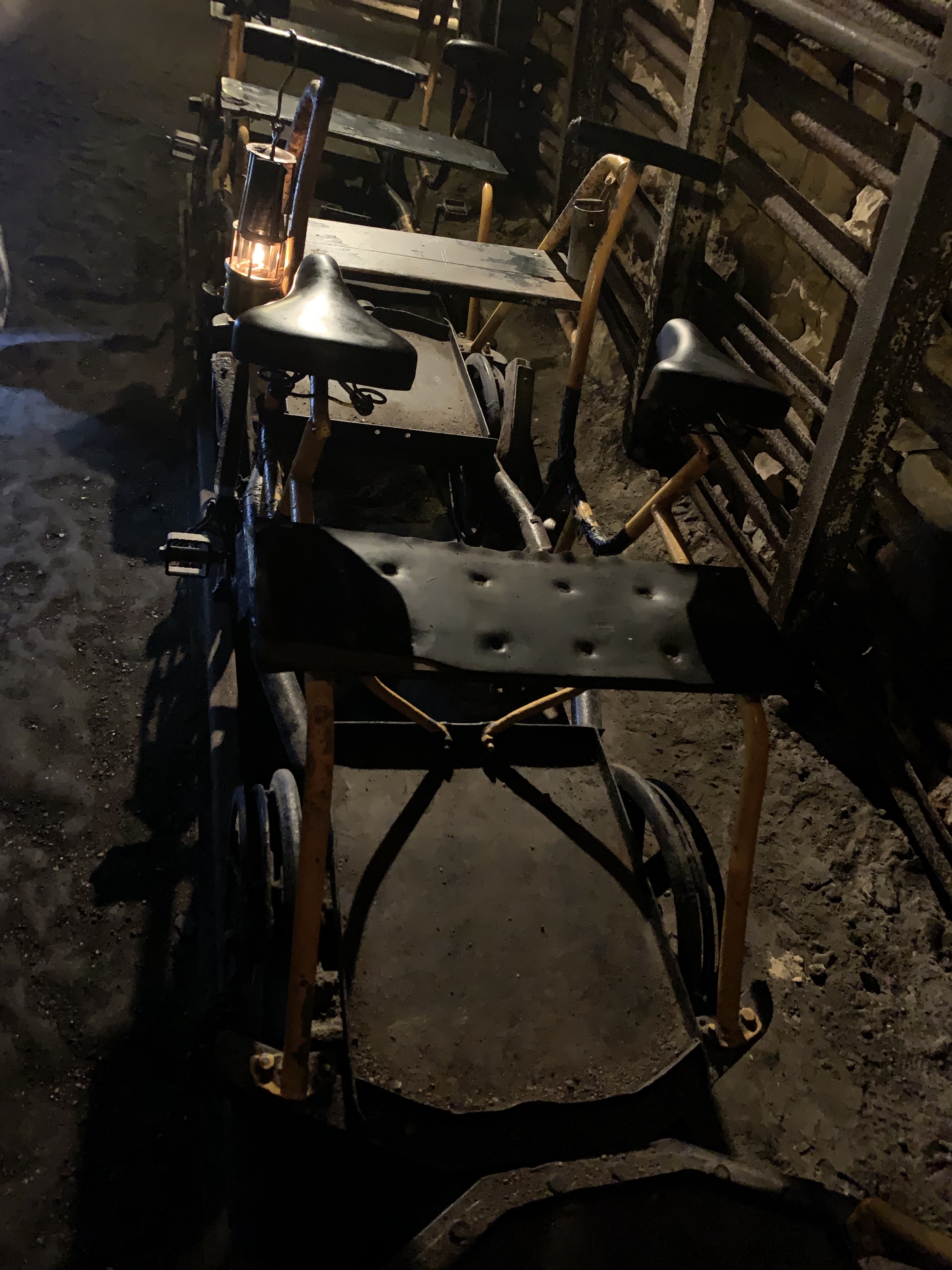
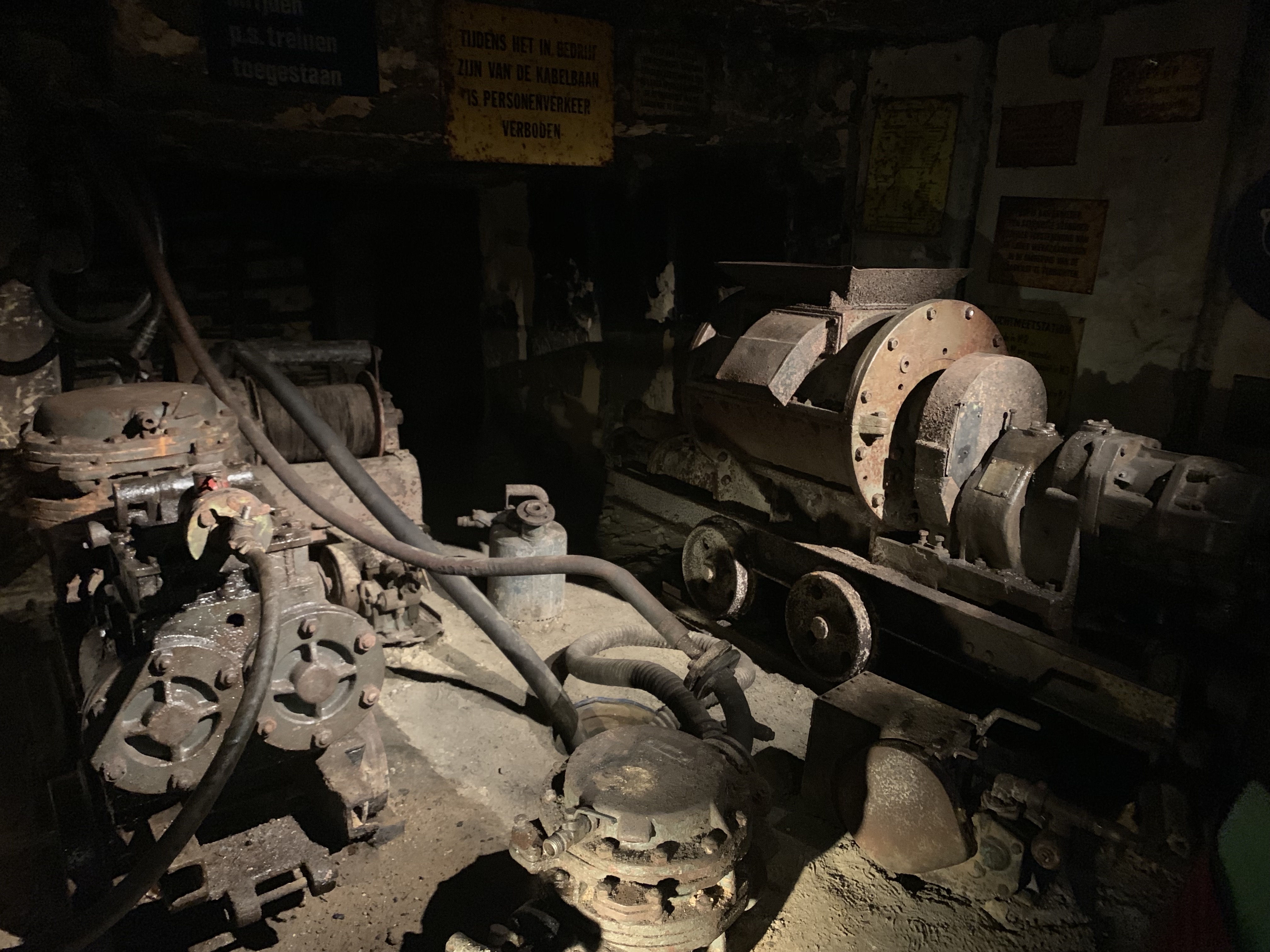
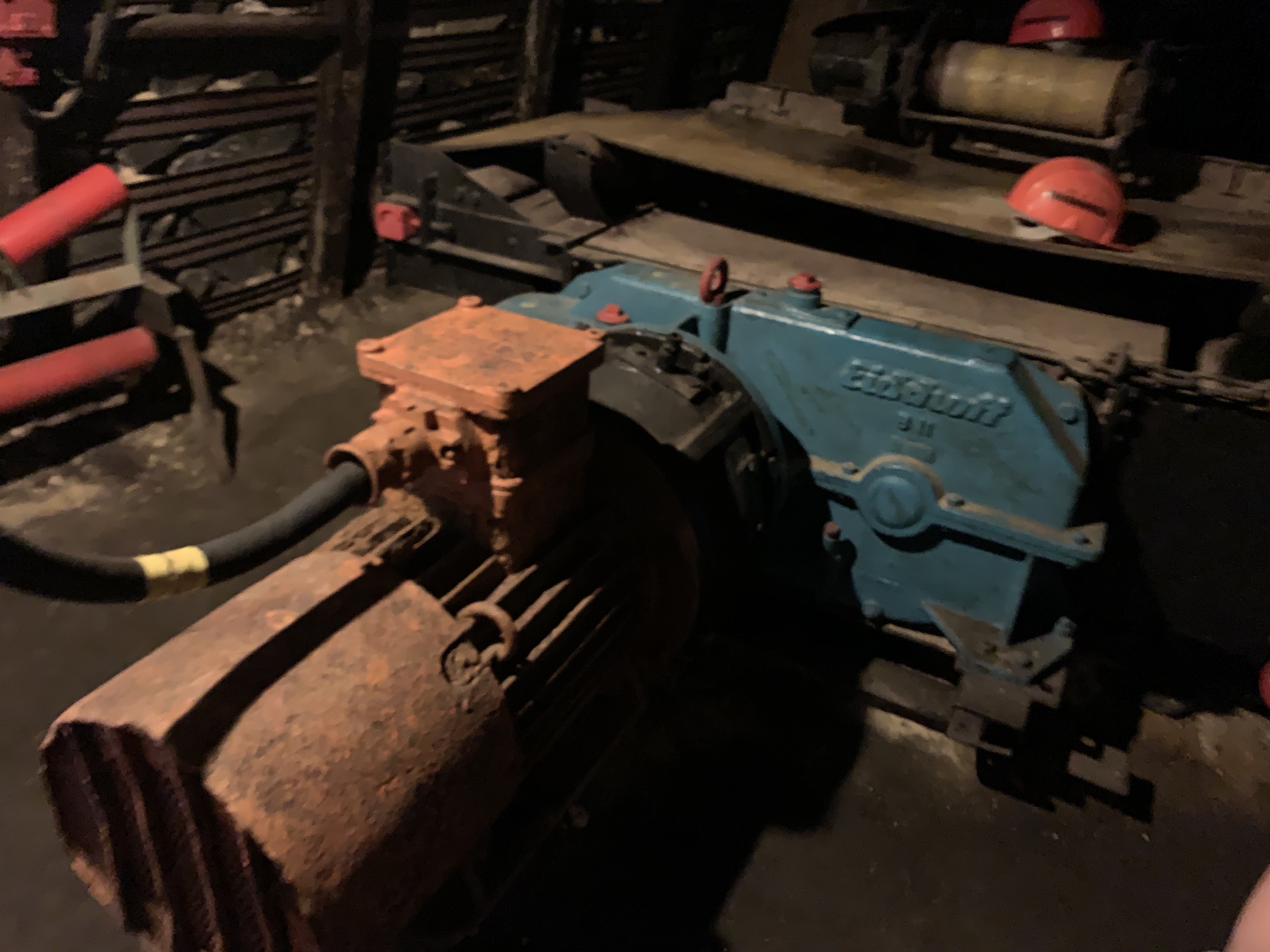
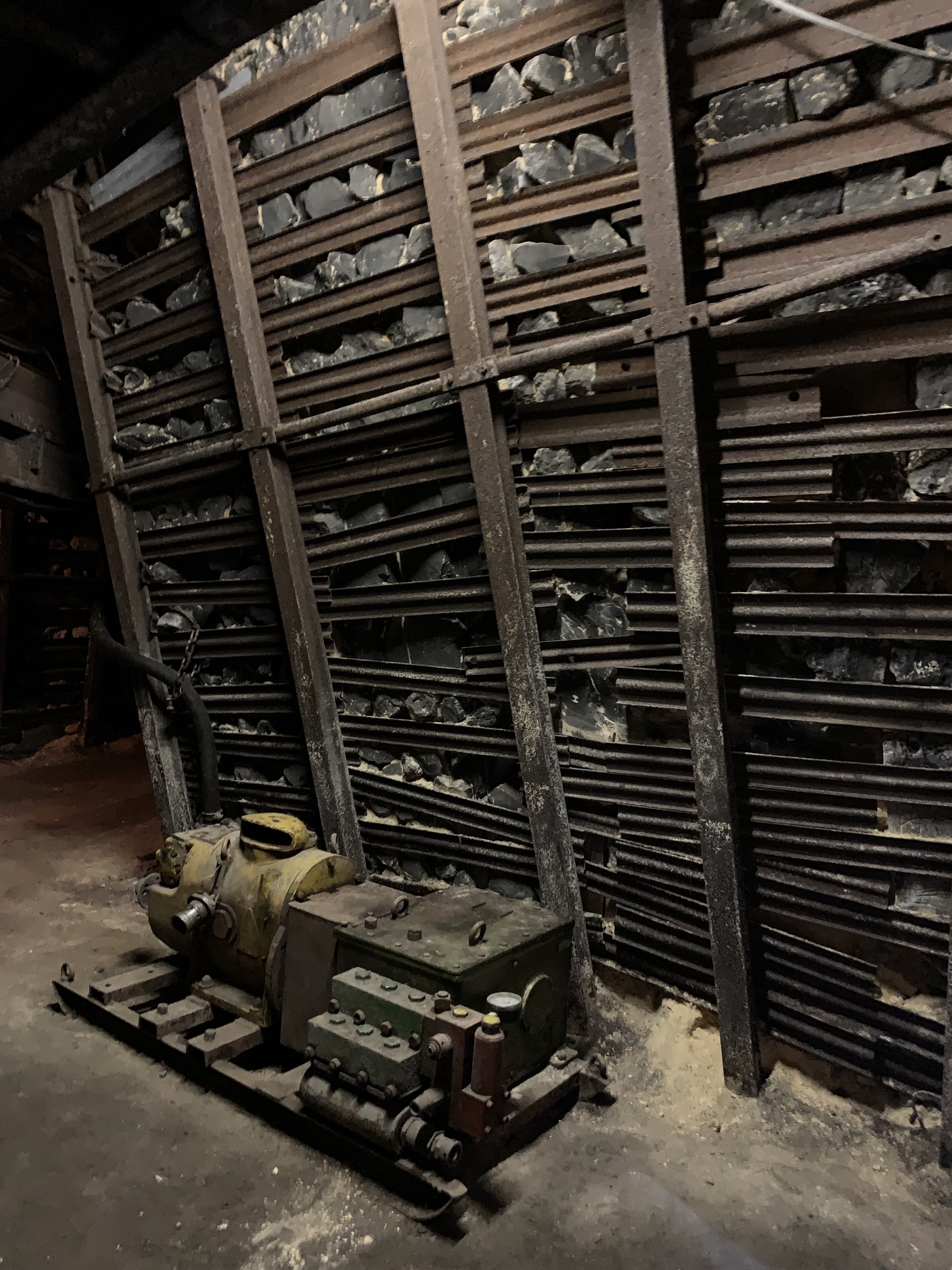
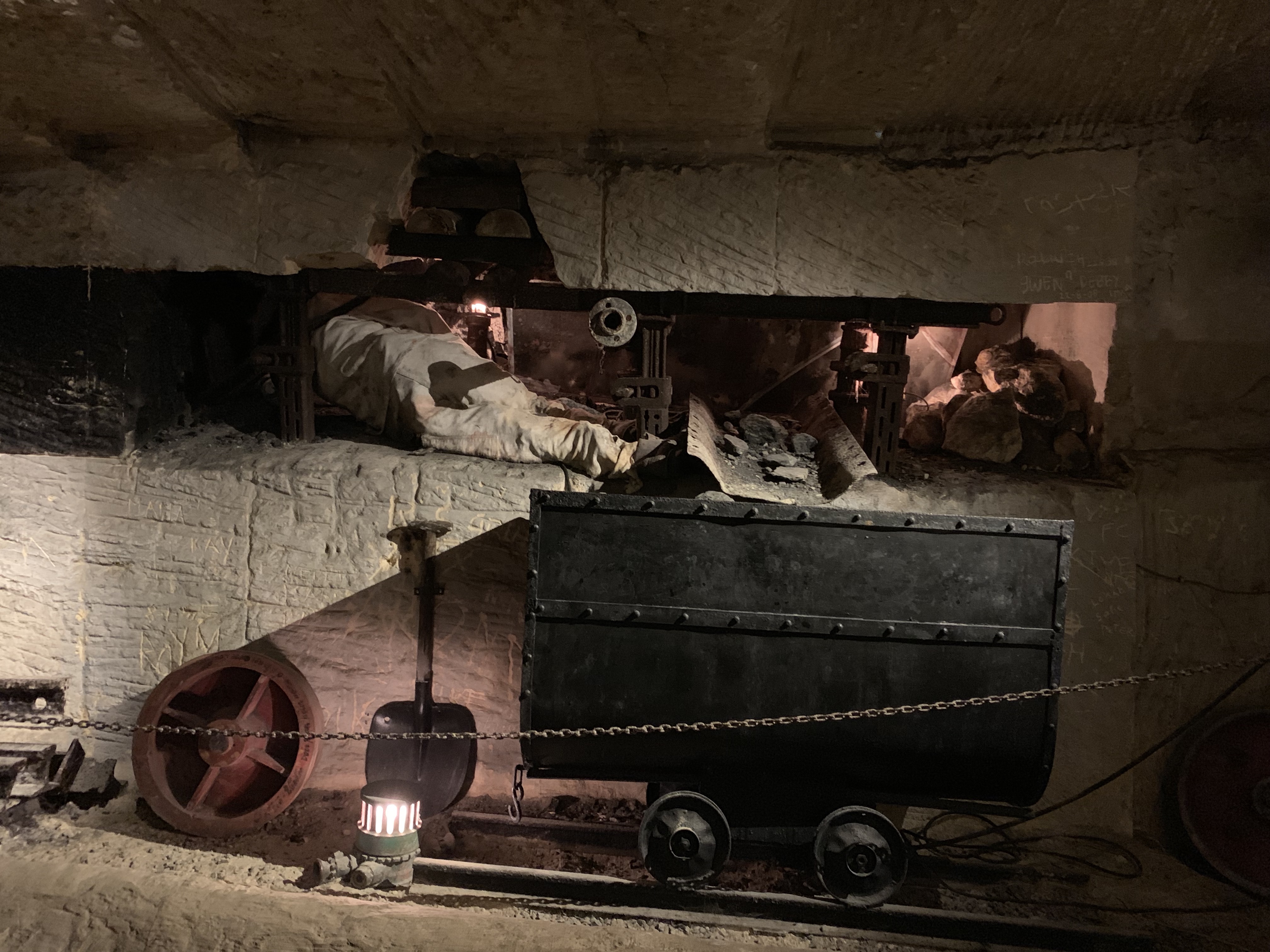
We ended our day with a tour of the Valkenburg Coal Mine, where we discovered the dangerous realities of coal mining and the workforce development measures needed to make the job safer. During the tour we got a first hand experience of what it was like be a coal miner with the help of unique film fragments, demonstrations of mining machines, and a fascinating first-hand account by our tour guide who was a coal miner in 1964 when he was only 18 years old. Throughout the tour it was evident that with the triumph of capitalism all over the world in the 1960s, the lives of laborers working in the mines were dismissed in the race of profit-making. Even in more modern times when technology made life simple on an unimaginable scale, the critical working and living conditions of miners continued. Neither the government nor the owners of coal mines would take the responsibility of making working conditions better and safe. As a result, the workers were increasingly vulnerable to fatal accidents while working such as cave-ins, floods, gas explosions, chemical leakage, etc.
Fortunately, modern working conditions have improved exponentially and attempts to enhance a region’s economic stability and prosperity by focusing on people rather than business or profit is becoming a more common practice.
 Sarah's European Voyage