
To start off our day, we had class at 9am in which we played “The Mercury Game,” a negotiation simulation that is intended to demonstrate the importance of using scientific evidence to guide international environmental policy making and the complex process of negotiating these policies between various stakeholders. During this exercise I learned that Mercury is a heavy metal that is widespread and persistent in the environment. It is a naturally-occurring element and can be released into the air and water through weathering of rock containing mercury ore, or through human activities such as industrial processes, mining, deforestation, waste incineration, and burning of fossil fuels. Mercury can also be released from a number of mercury-containing products, including dental amalgam, electrical applications (e.g., switches and fluorescent lamps), laboratory and medical instruments (e.g., clinical thermometers and barometers), batteries, seed dressings, antiseptic and antibacterial creams, and skin-lightening creams. Mercury exposure can even affect fetal neurological development and has been linked to lowered fertility, brain and nerve damage, and heart disease in adults who have high levels of mercury in their blood.
During this negotiation simulation exercise I represented the People’s Republic of China and was challenged to draft an international treaty that would protect human health and environment from future mercury contamination (though China has yet to fully acknowledge that a problem exists) while taking into consideration the countries national technological limitations, political will, and stage of economic development.
Before starting the simulation, I knew that international environmental negotiations often involve conflicts between developed and developing countries. However, I gained a much broader perspective on the social and economic impact that goes into forming an international environmental agreement. For instance, environmental cooperation in a North (the developed world)-South (the developing world) dichotomy obscures important variation within the Global South, particularly as emerging economies become more important politically, economically, and environmentally. For China in particular, there are three key factors that explain their divergence in their position on the mercury negotiation as the simulation progressed: domestic resources and regulatory politics, development constraints, and domestic scientific and technological capacity.
Regarding the VCM process, China’s economy greatly depends on this technology for construction materials in which there are currently no alternatives. As a result, banning mercury-containing processes like VCM would clearly be a political move to hold back China’s development without providing the country with any alternatives. Moreover, when compared to other mercury containing processes like must be remembered that VCM is ultimately a small contributor to the overall, global mercury burden.
Regarding the VCM process, China’s economy greatly depends on this technology for construction materials in which there are currently no alternatives. As a result, banning mercury-containing processes like VCM would clearly be a political move to hold back China’s development without providing the country with any alternatives. Moreover, when compared to other mercury containing processes like ASGM, VCM is ultimately a small contributor to the overall, global mercury burden. It was through this simulation exercise that I began to truly see the intersection between scientific and technological development and domestic policy is of increasing importance in shaping emerging economies’ engagement in international environmental negotiations.
Cave Tour
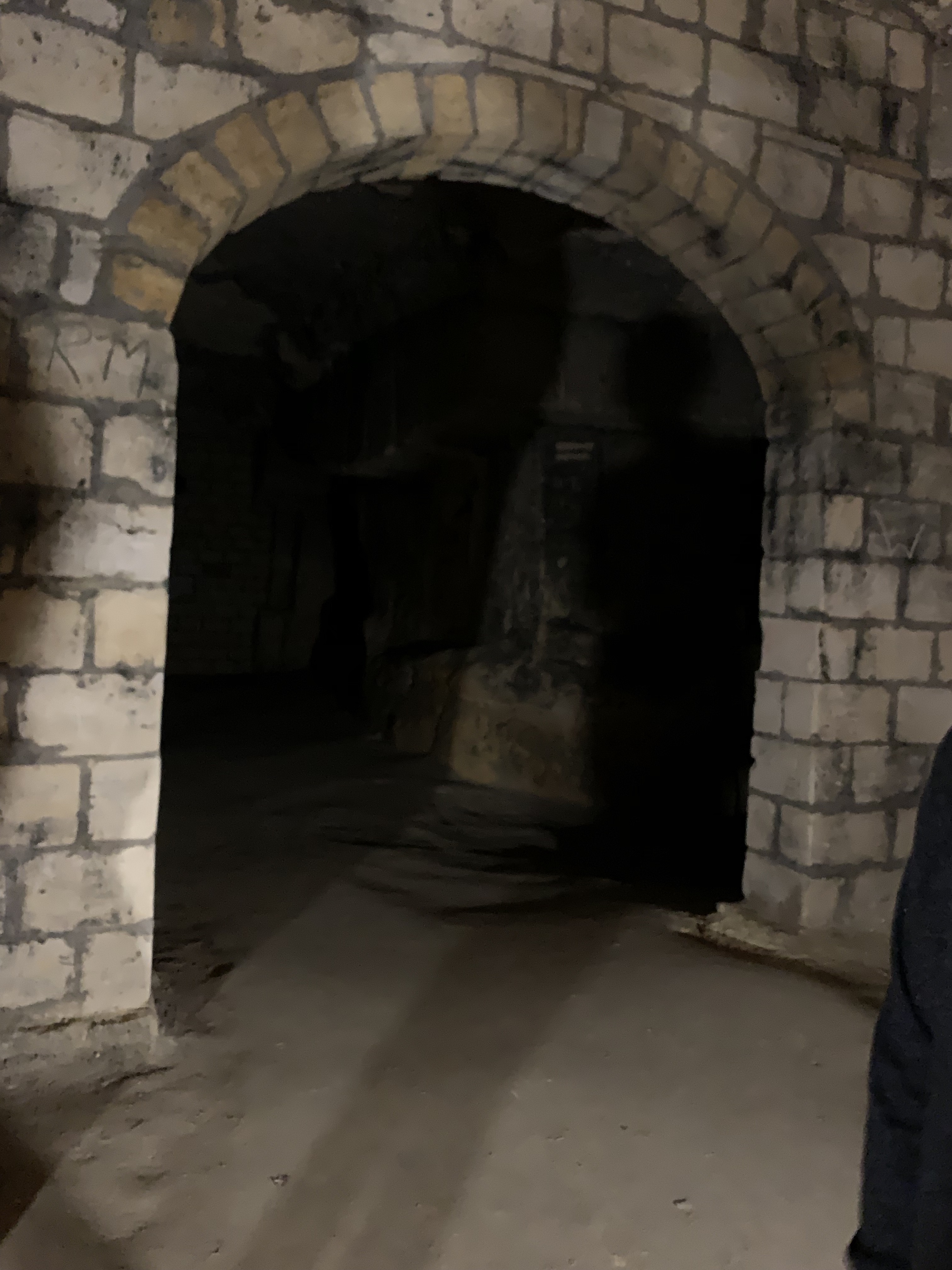
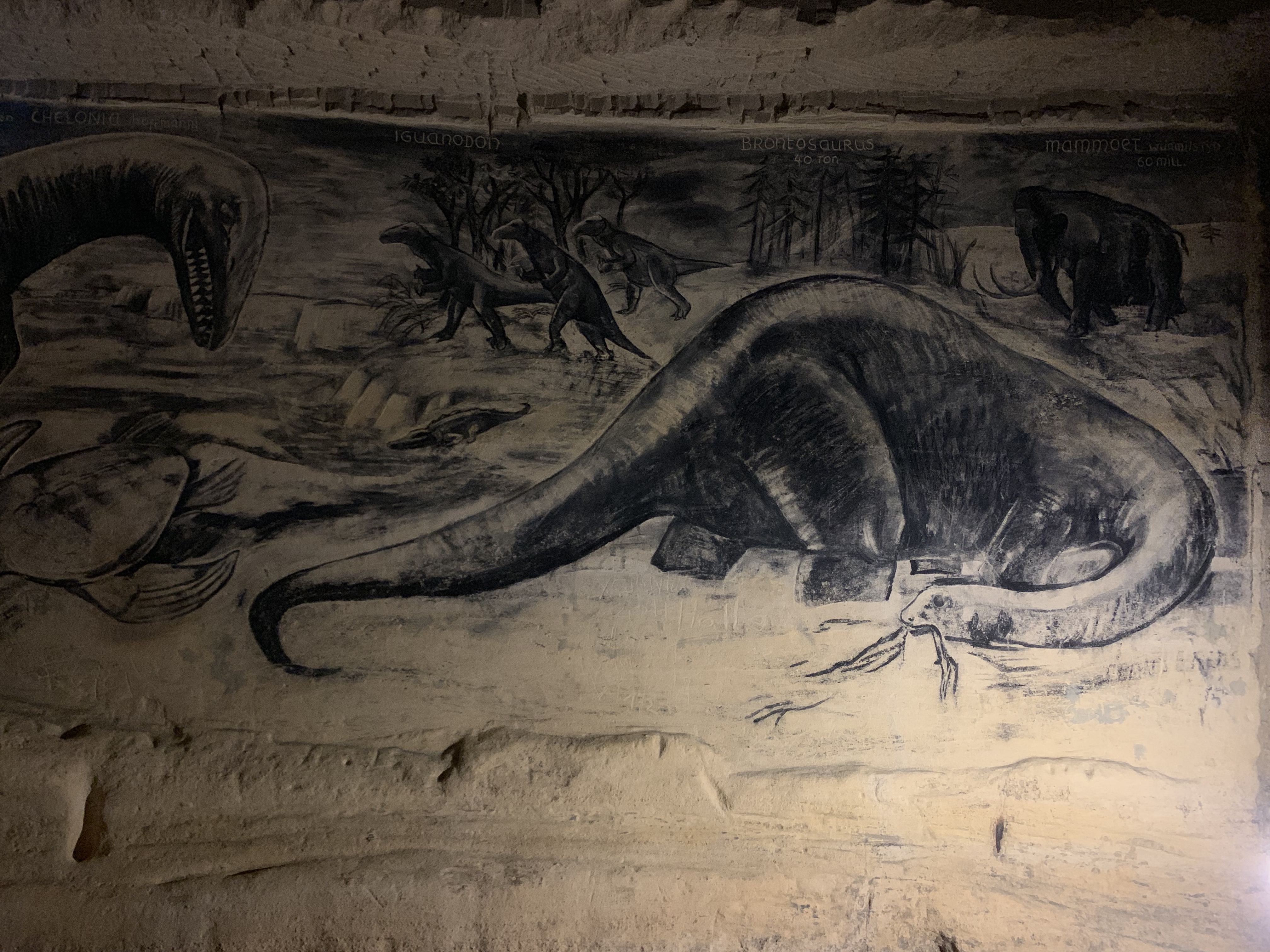
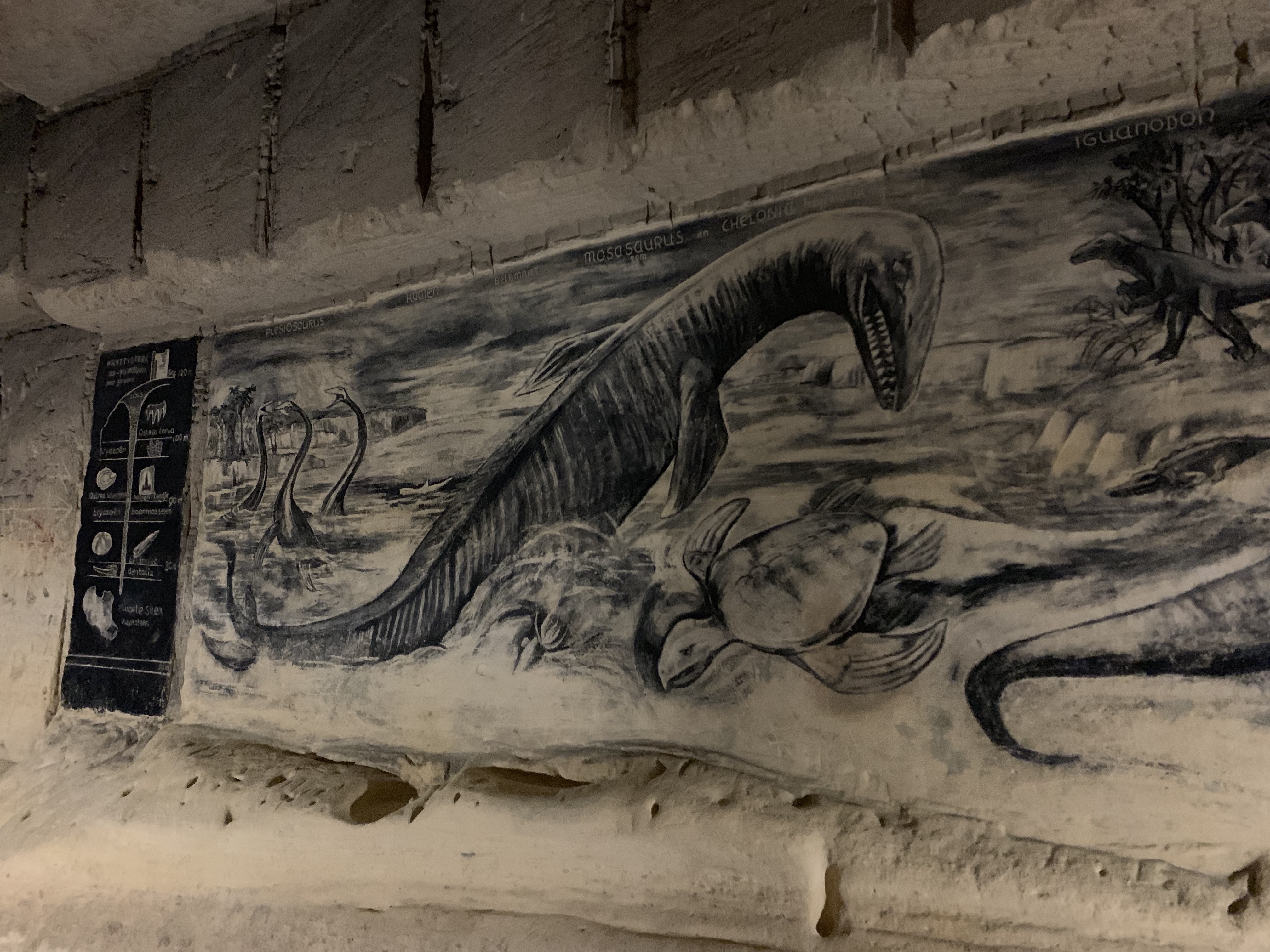
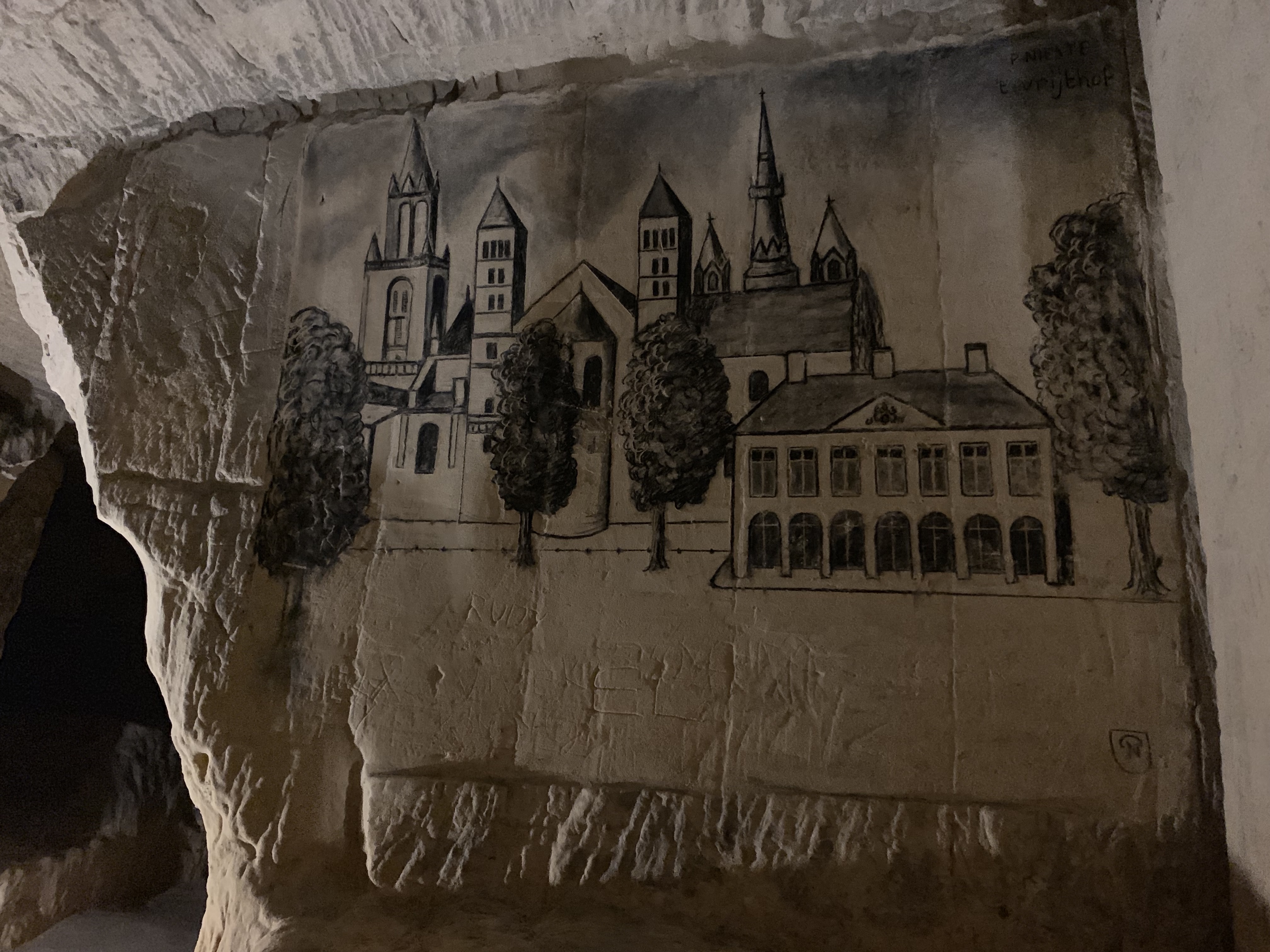
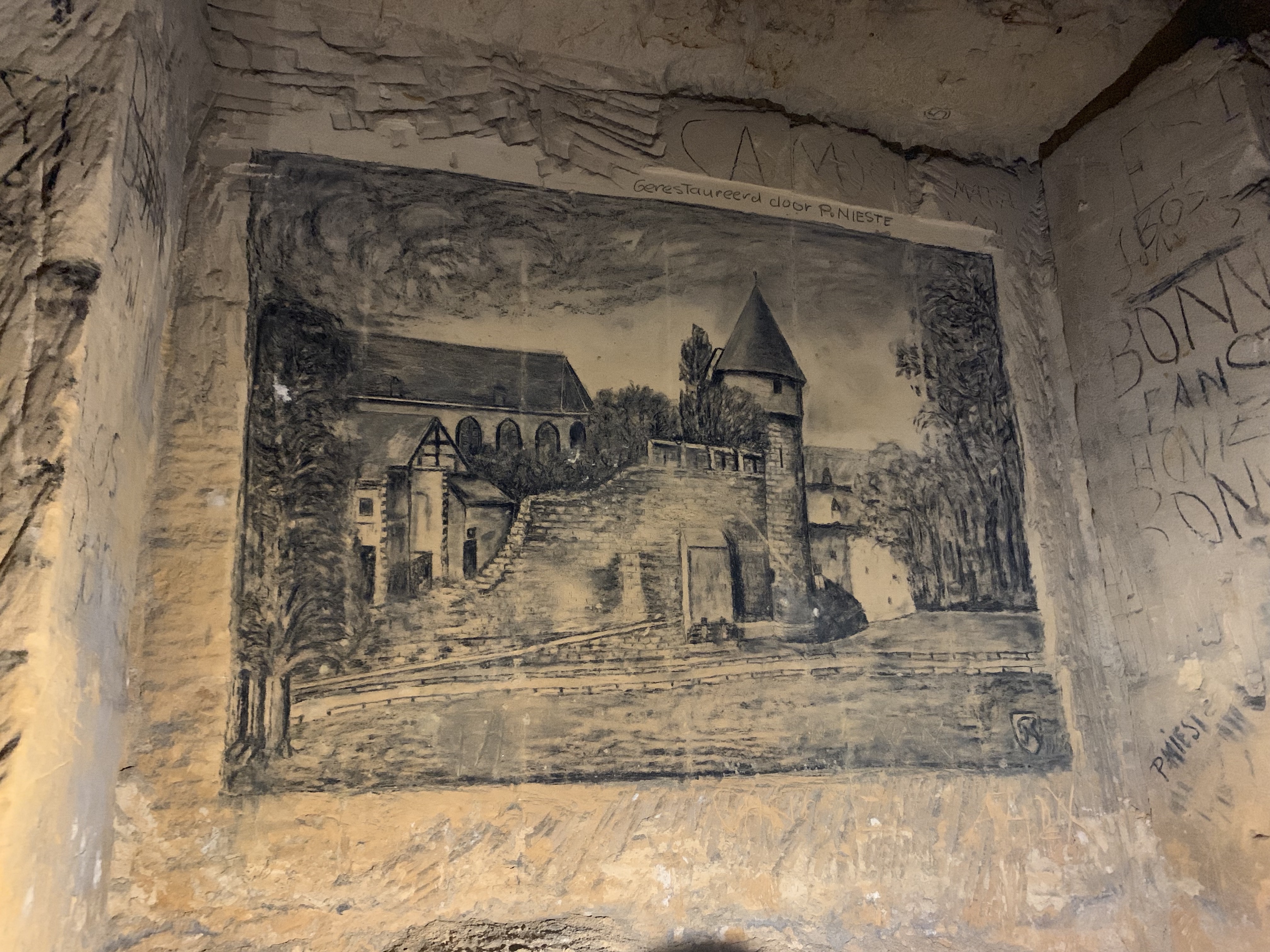
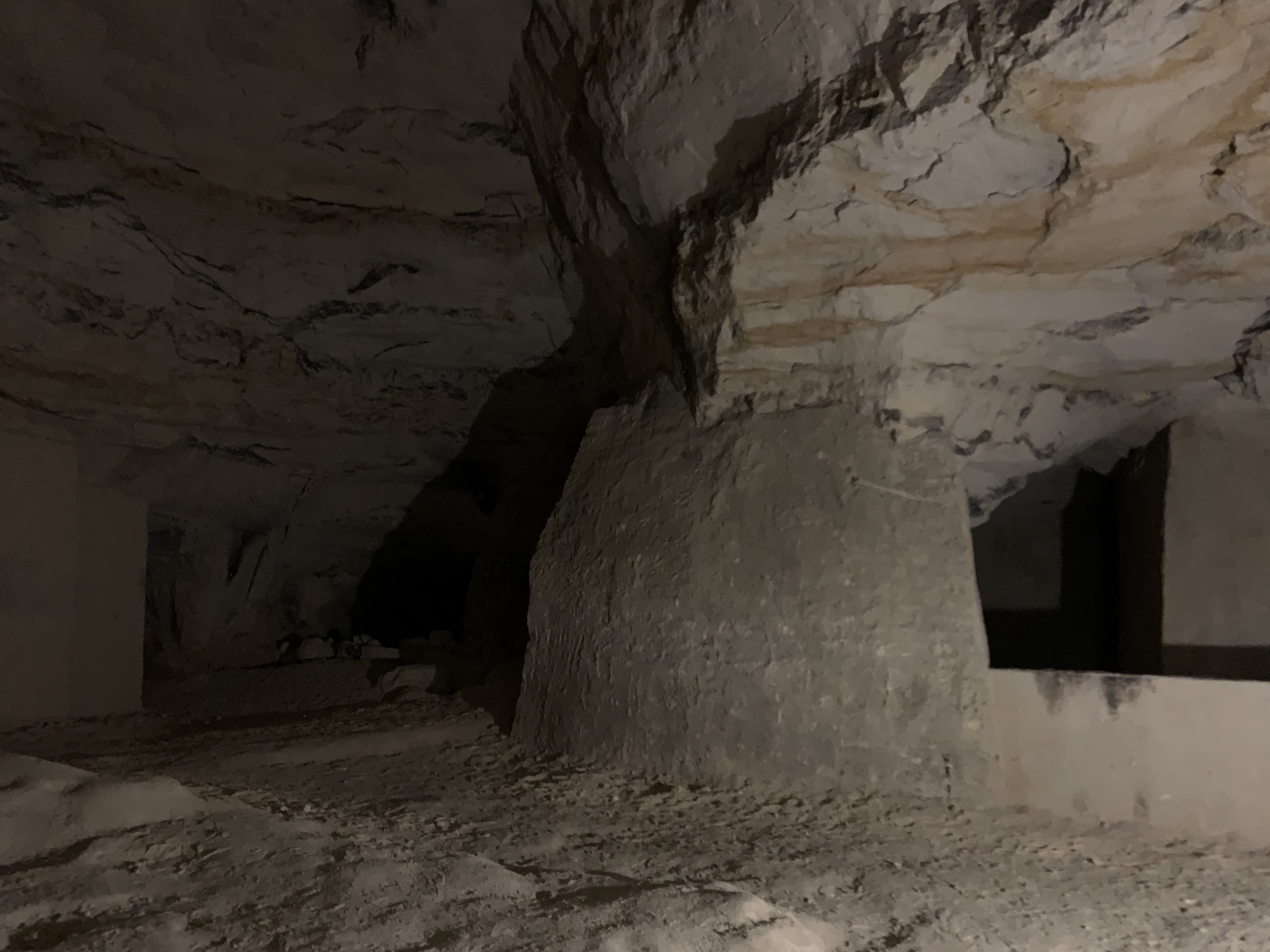
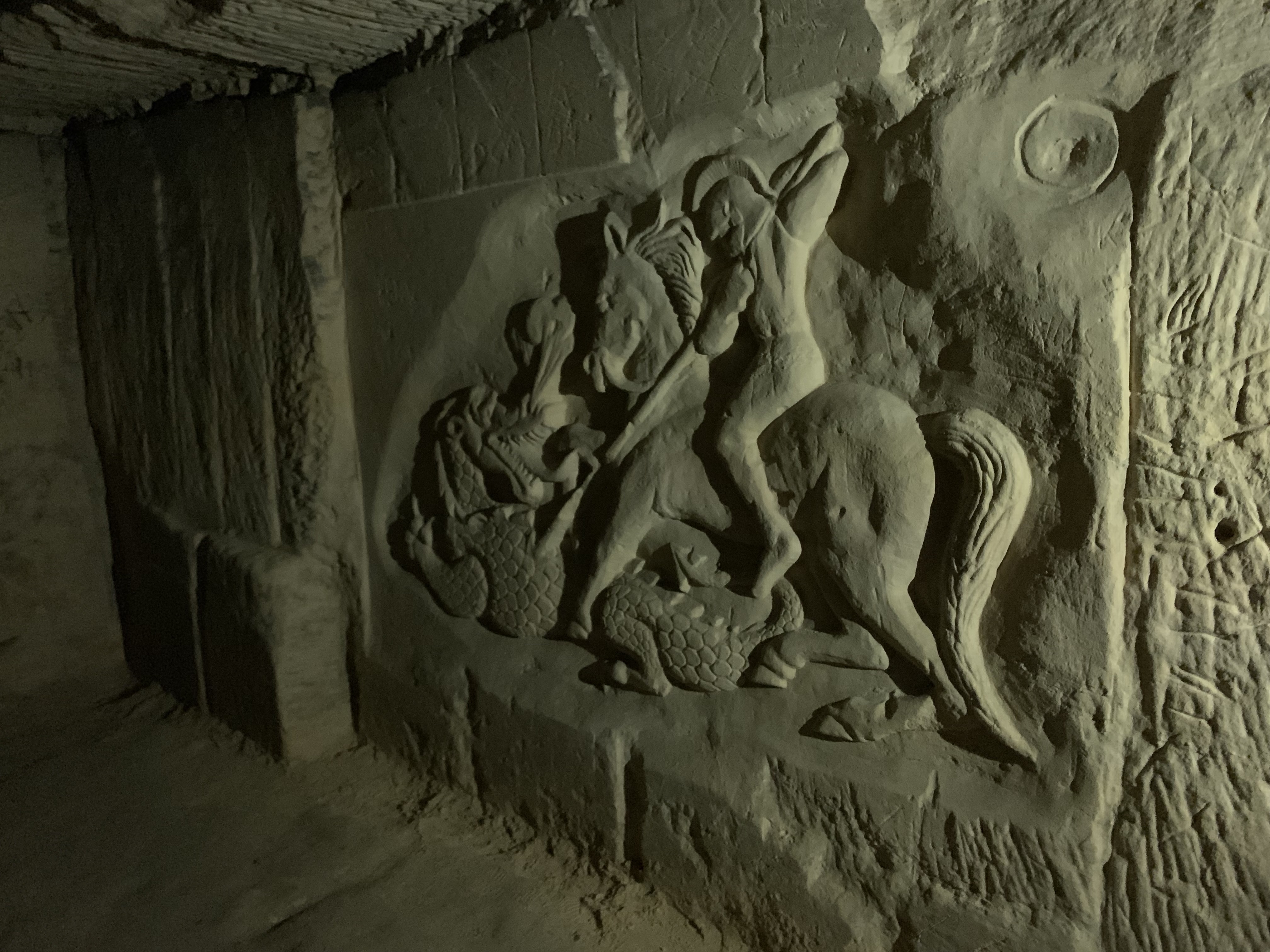
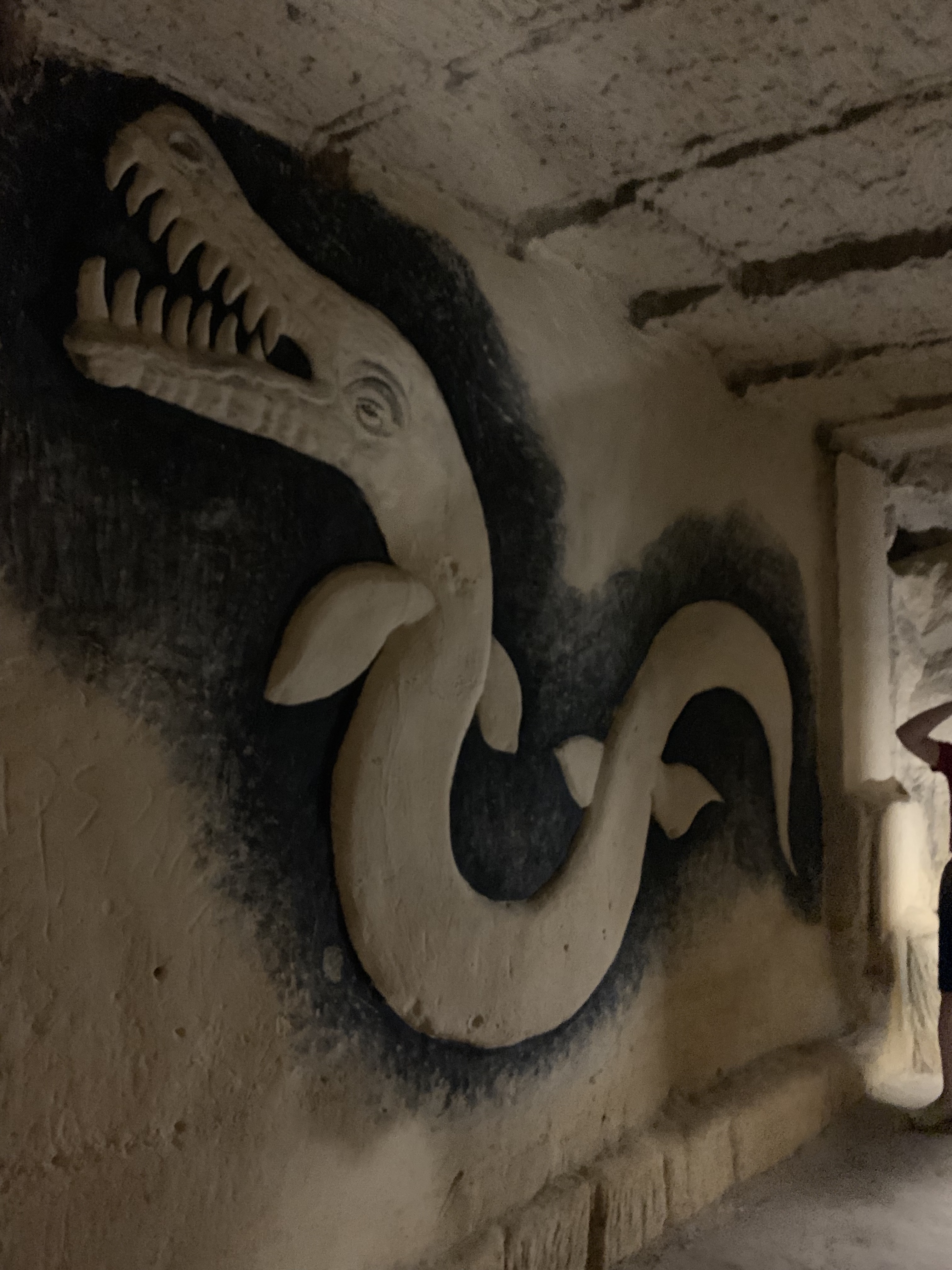
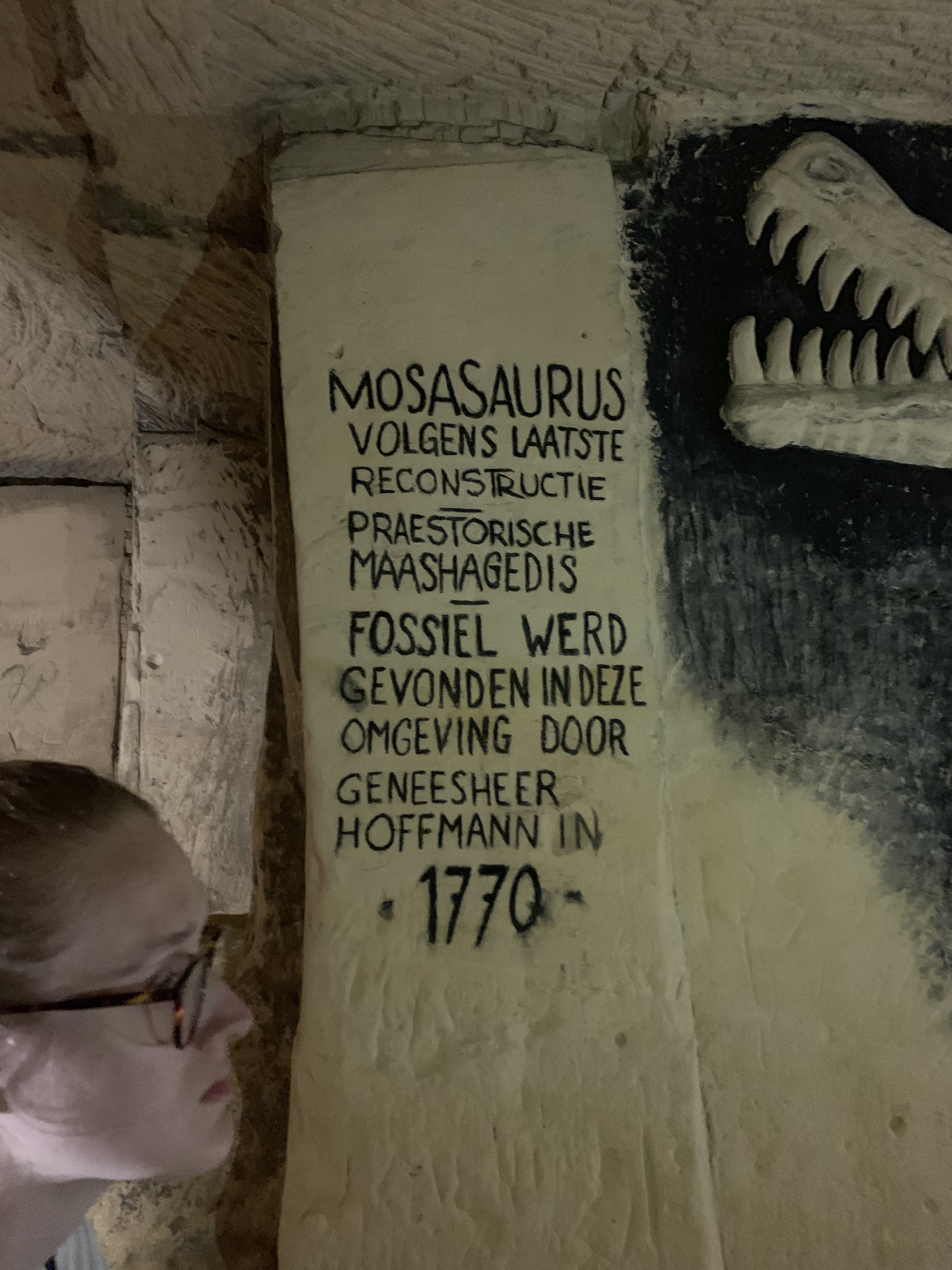
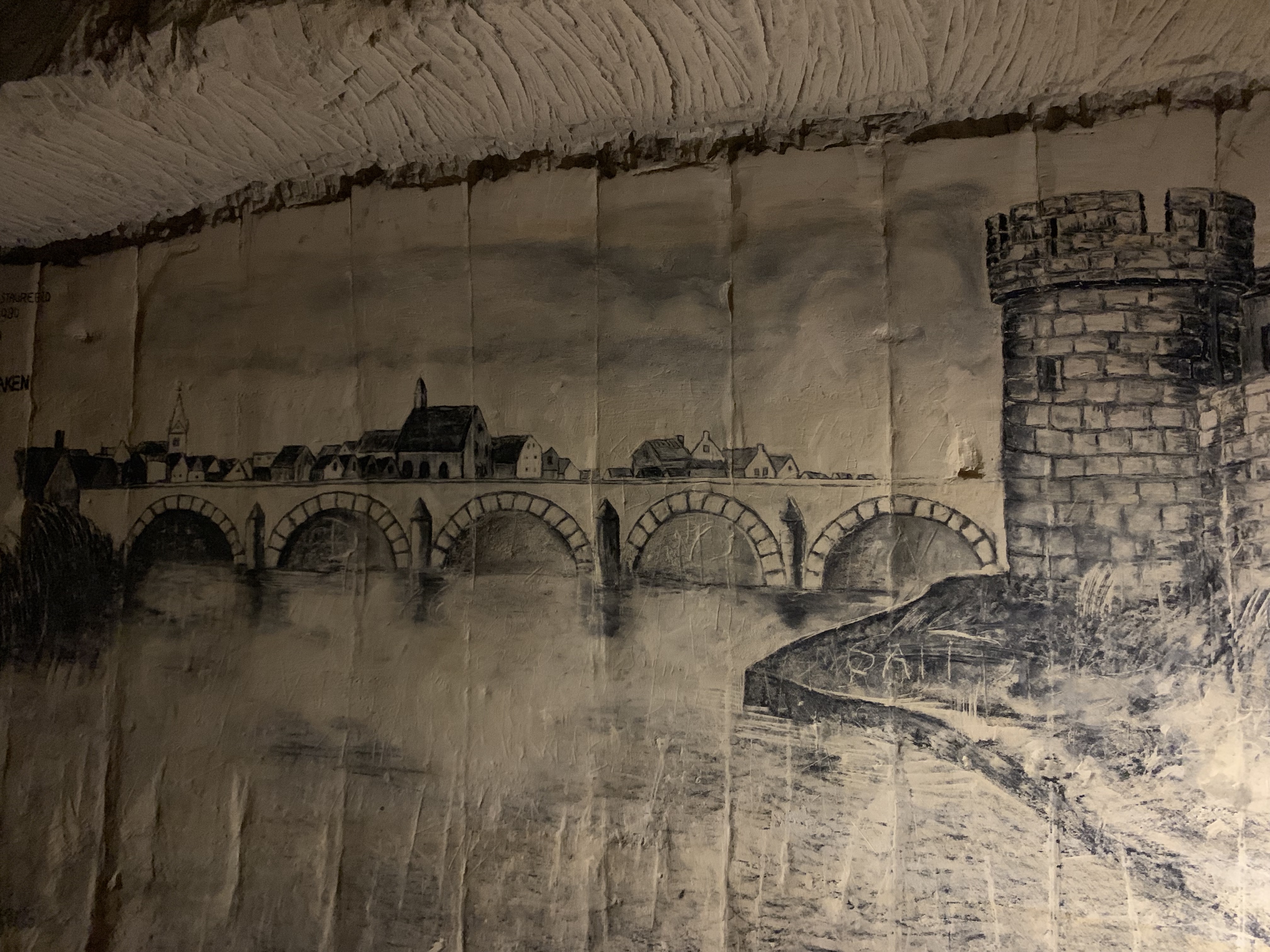
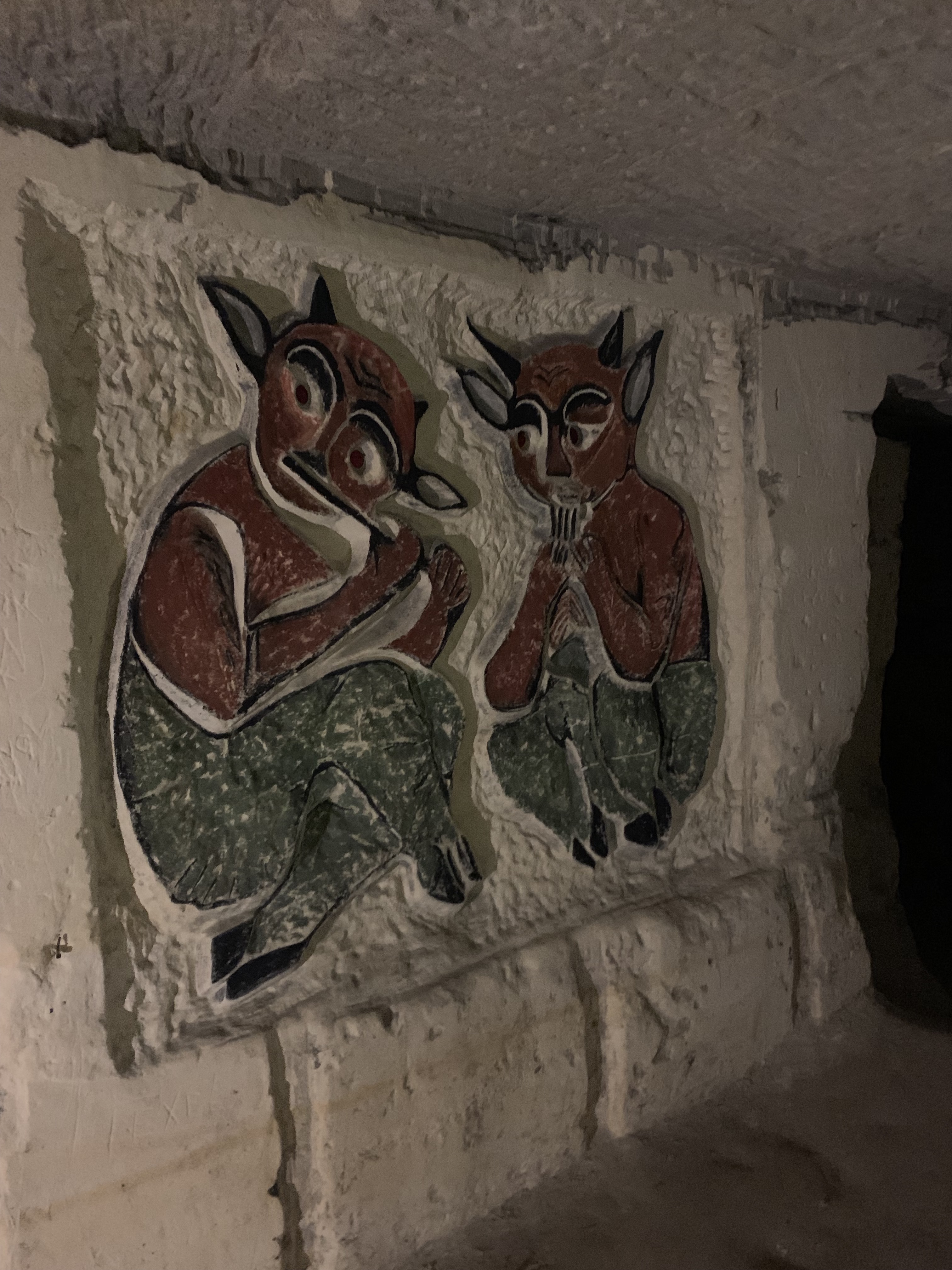
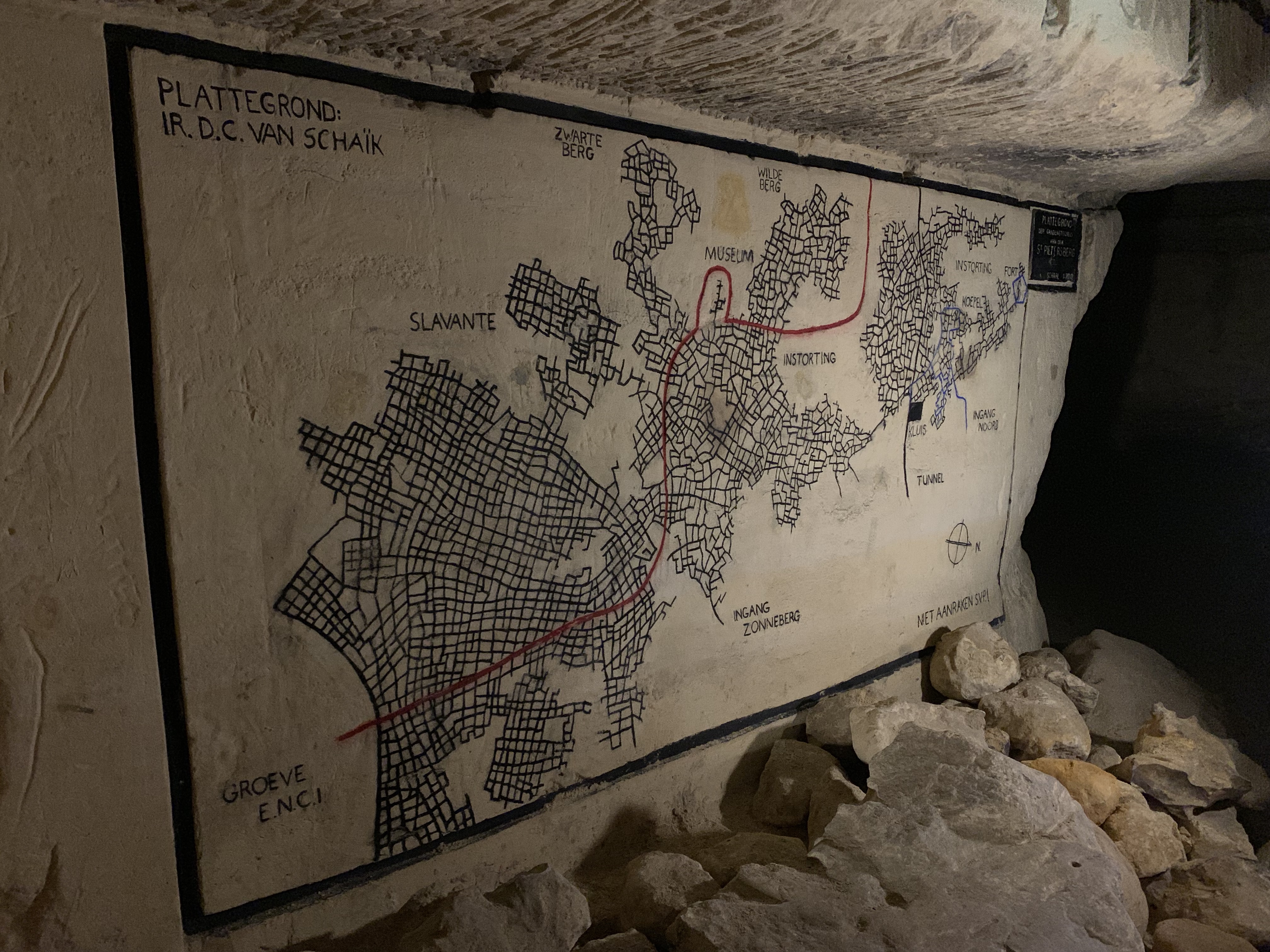
After class, we toured the Zonneberg Caves found under the city of Maastricht which is a labyrinth that once added up to 230 kilometers of of man-made underground trenches (80 kilometers of which still remain). Upon going 40 meeting underground and entering this gigantic network of quarry-tunnels that date back centuries (17 million years to be exact), we saw got the chance to see charcoal murals and learn about the stories linked to their use in WWII as a virtual city for hiding the population during times of bombardment. One of the stories that particularly interested me was the story of the Mosasaurus. In 1774, a Jaw bone was found in the cave and was acquired by the city of Paris after they promised 600 bottles of wine. It was later discovered to be the bone of a really old (and giant) Lizard that was determined to no longer exist. It was at this moment in time that it was determined that animals could go extinct. This bone can now be found in the Natural History Museum in Paris and is now known to the city of Maastricht as the “Maas lizard.”
Other interesting facts I learned during the tour include the following:
- Excavation began in the 13th century as a way to mine stone blocks for buildings and was even used to build St. John’s tower and the fortifications around Maastricht.
- During World War II, the caves were used to protect valuable paintings and historical artworks one of which was Rembrandt’s The Night Watch; however, the picture was too large to fit into the caves in its original form that they had to roll it up to get it inside. To adequately protect the paintings and artwork, a concrete wall was installed around the caves where the paintings were being held and extra guards were placed to protect the artwork from being stolen. Ventilation was also installed to protect the artwork from excess moisture found in the caves.
- A nuclear bomb shelter from the Cold War can still be found in the caves and can hold up to 2,000 people.
- There was an explosion in the caves during the 17th and 18th century when the French realized there were caves located under the hill. When trying to get into the caves they filled a pillar with gun powder, which caused the explosion. Fortunately for Maastricht, they were unable to gain access into the caves.
- In 1993 they finally decided to close off the caves after two fourteen year old boys died when they couldn’t find there way out. Some people in Maastricht, particularly kids who grew up exploring the caves, were not happy about this, so eventually the city of Maastricht came up with a compromise and allowed people to enter the caves on Friday’s if they could pass a test and prove that they know how to navigate the caves.
- The caves are kept at a constant temperature of 11 degrees Celsius and have thus been used over the years as a wine cellar, a mushroom farm, and to store potatoes.
- Approx. 1,500 bats can be found in the caves
- There a variations in the wall of the caves that indicate the floor was lower at one point. Horses were used to transport most of the stone and, not knowing that they have a cart attached to them, would scrap the sides of the wall when trying to take the quickest path.
 Sarah's European Voyage