
Sitting in the very heart of Europe, Germany, the Netherlands, and Belgium benefit from their central position, connecting the east to the west of this expansive continent. Nevertheless, each of these countries have their own unique landscapes, languages, architecture, and cultures. For instance, I have noticed that in Germany, the hierarchy is strong, it is clear to everybody who is the manager of the team. S/he is expected to represent the team, and when doing so the team members are silent and respect the rules and procedures. In Belgium and the Netherlands, however, manager and subordinates have completely equal status: although there is a company hierarchy, this is purely functional, and the manager will have to work just as hard as the others to defend his or her opinion and drive decisions. In other words, before a decision is taken, every Dutch and Belgian is heard and has the opportunity to share her opinion before any formal agreement is determined. Additionally, Weed is socially allowed and tolerated in both the Netherlands and Belgium (though illegal to purchase in Belgium) whereas it is completely forbidden in Germany and if caught with any amount will go on your permanent record.
Moreover, German culture is more money-centered whereas the Dutch and Belgians don’t seem to like spending much money; religion is more important in Germany and Belgium than in the Netherlands; and the food is very different. Dutch food is centered around sweet things (i.e. roomsoezen, stroopwafels, etc.), Belgian food is centered around salty and savory snacks (i.e. Frites, waffles, etc.) whereas German food is more centered around meat (i.e. bratwurst, pork knuckle, schnitzel, etc.) and beer.
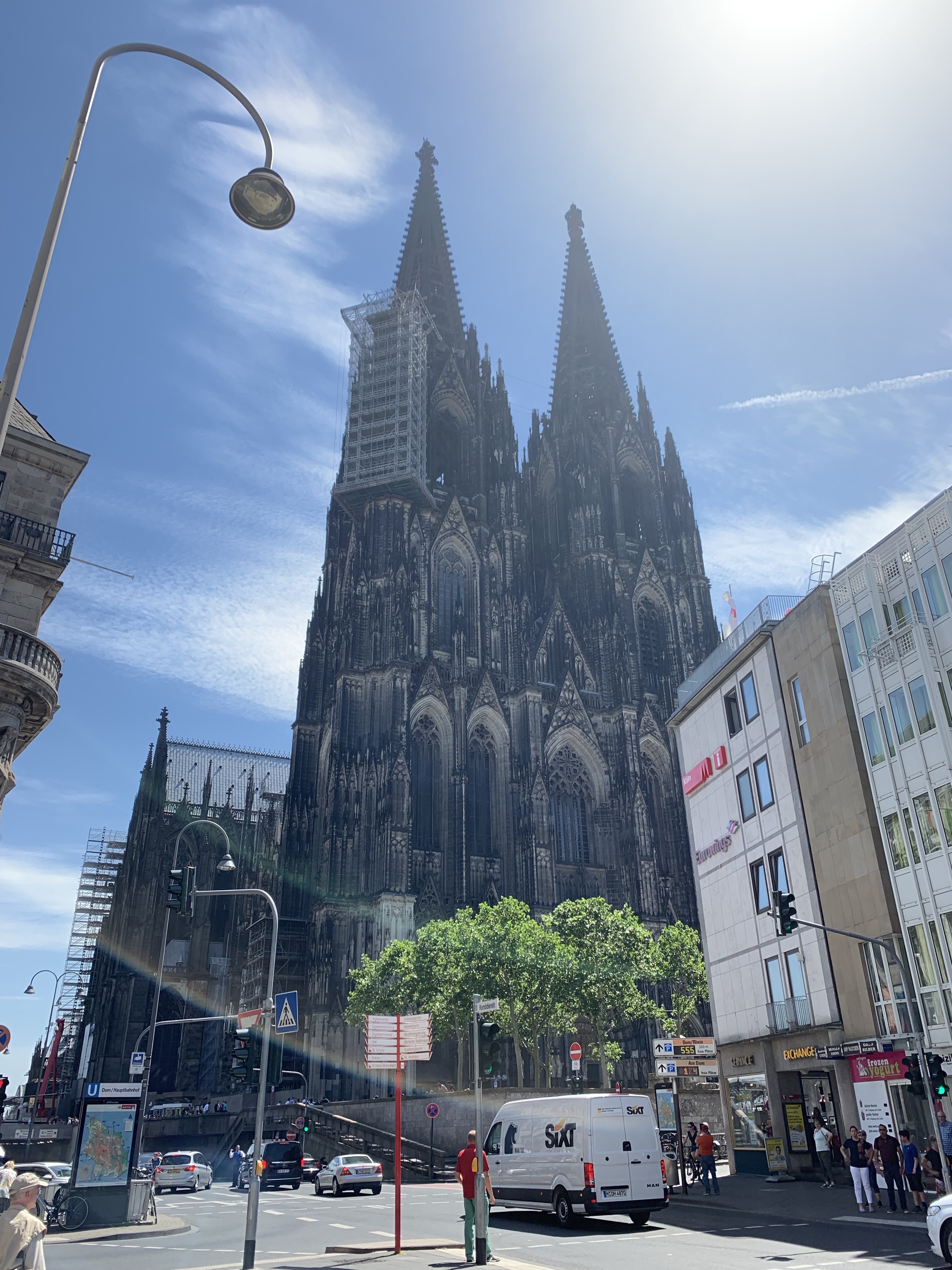
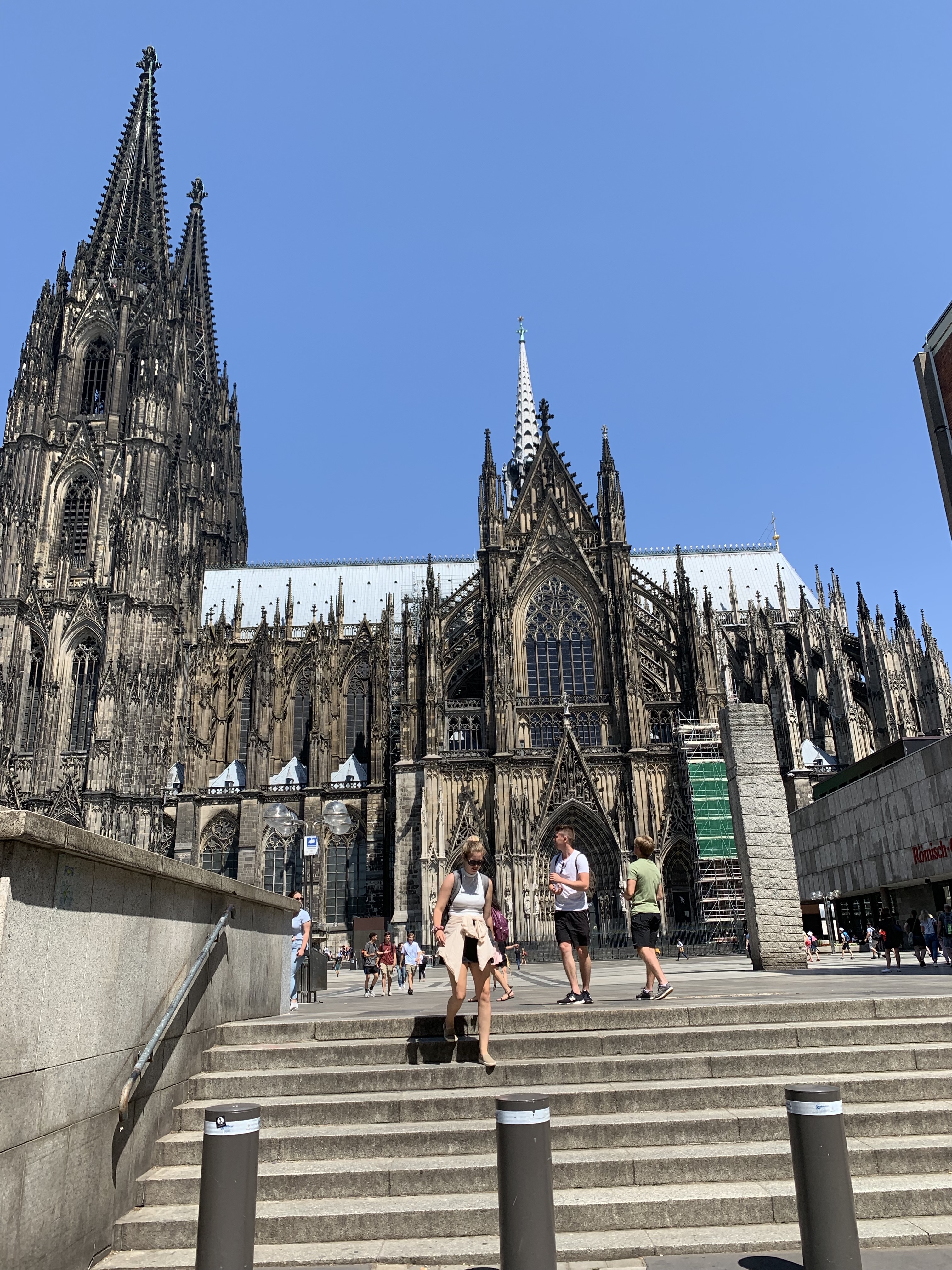
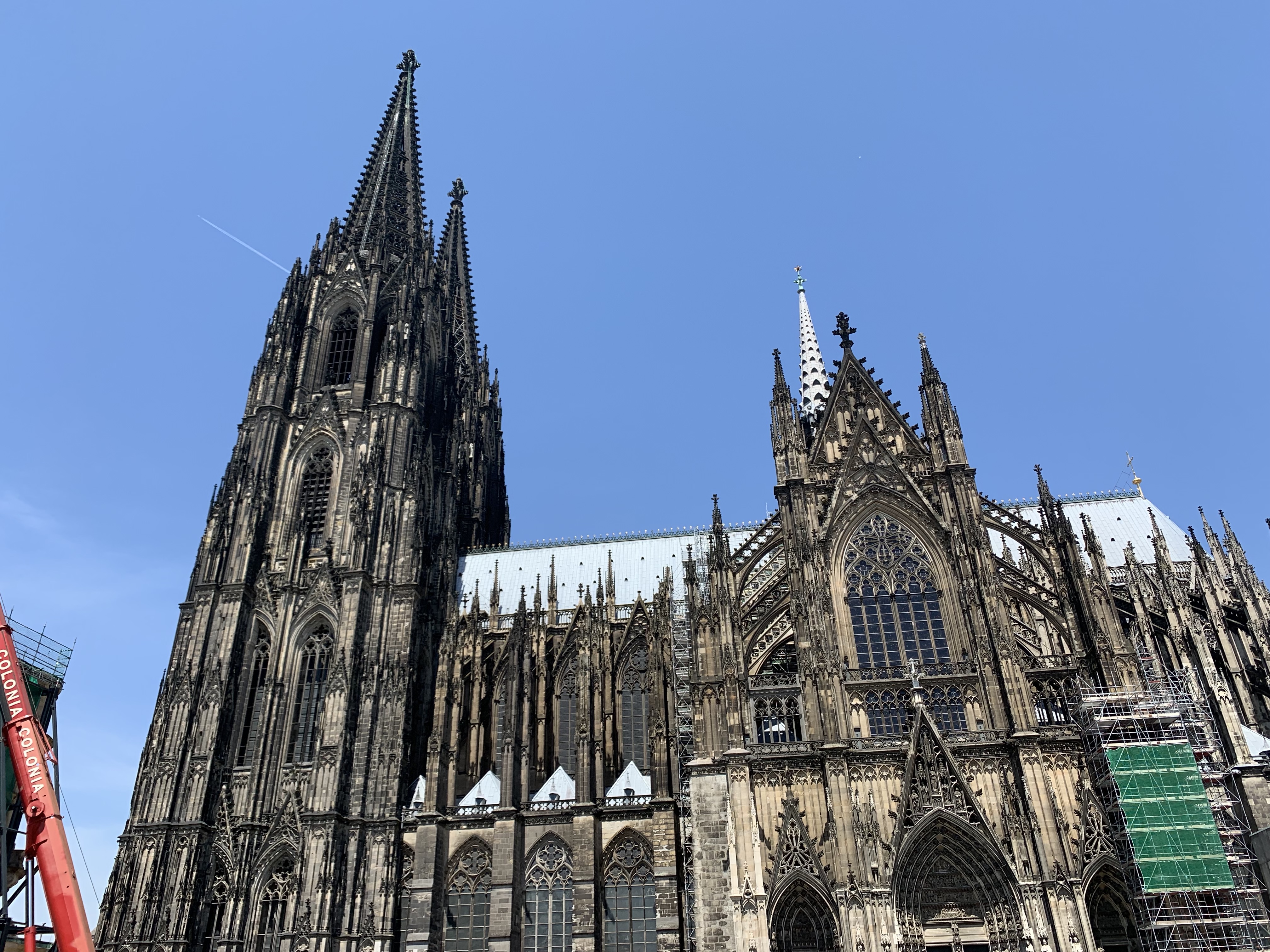
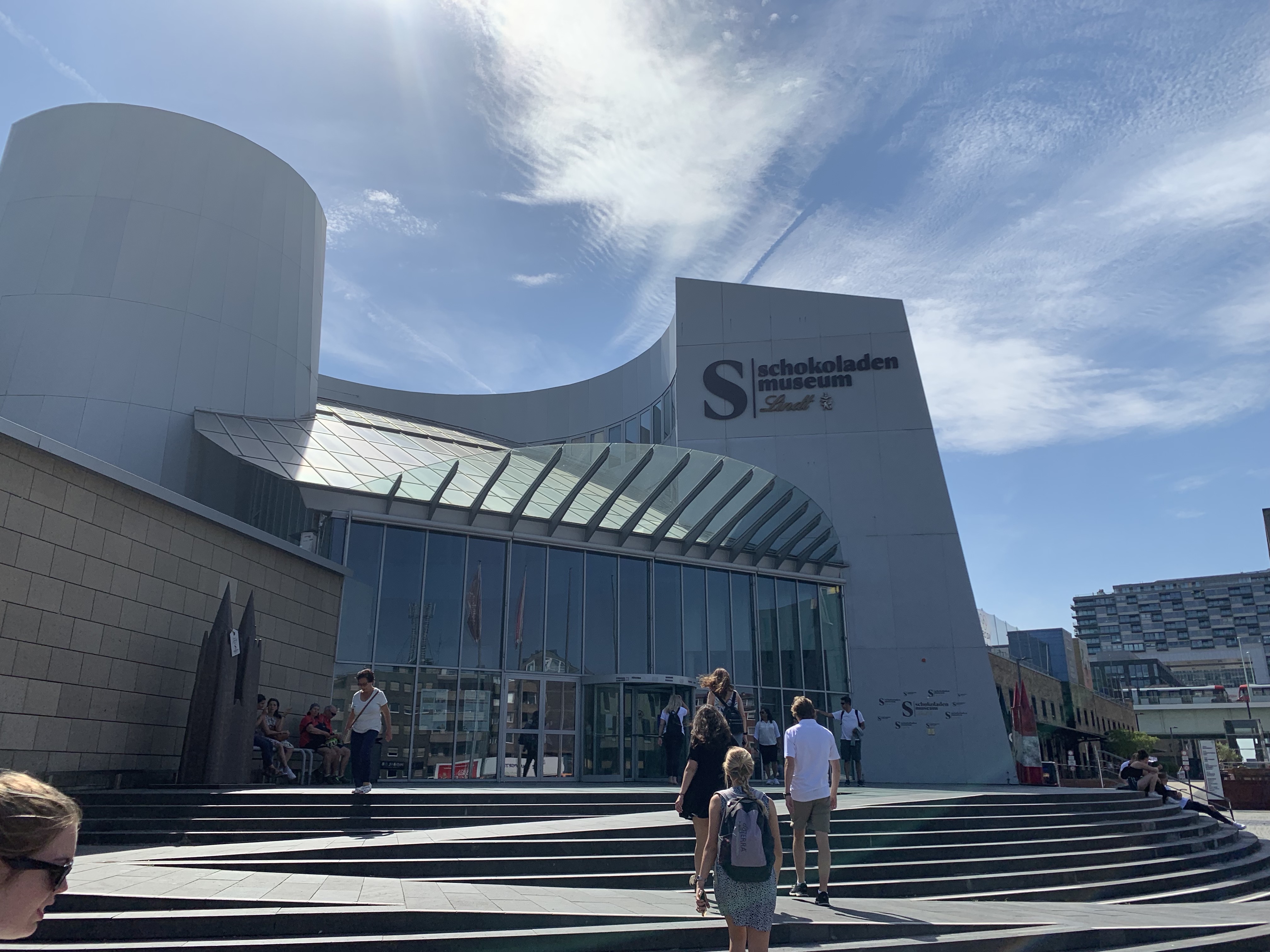
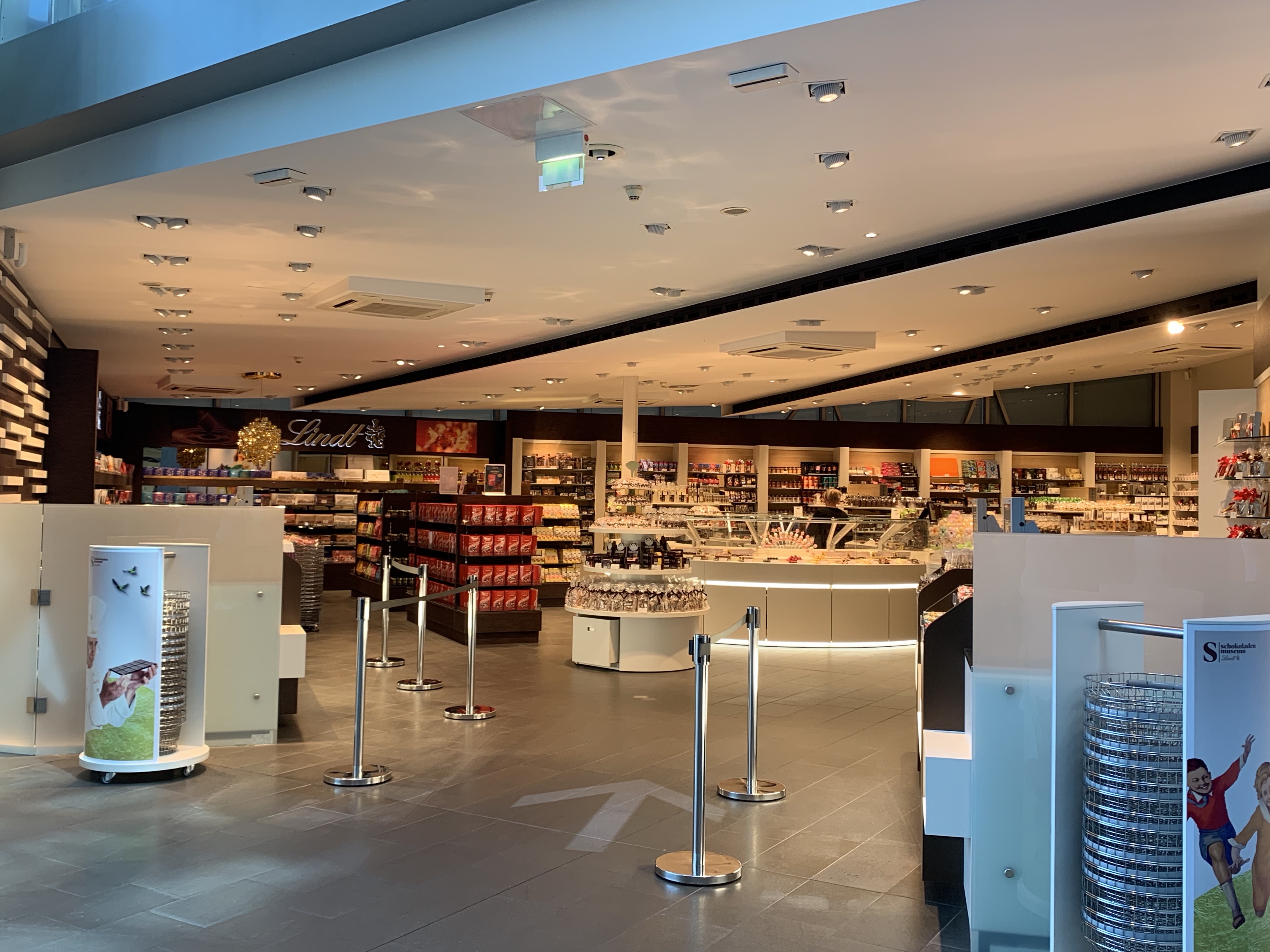
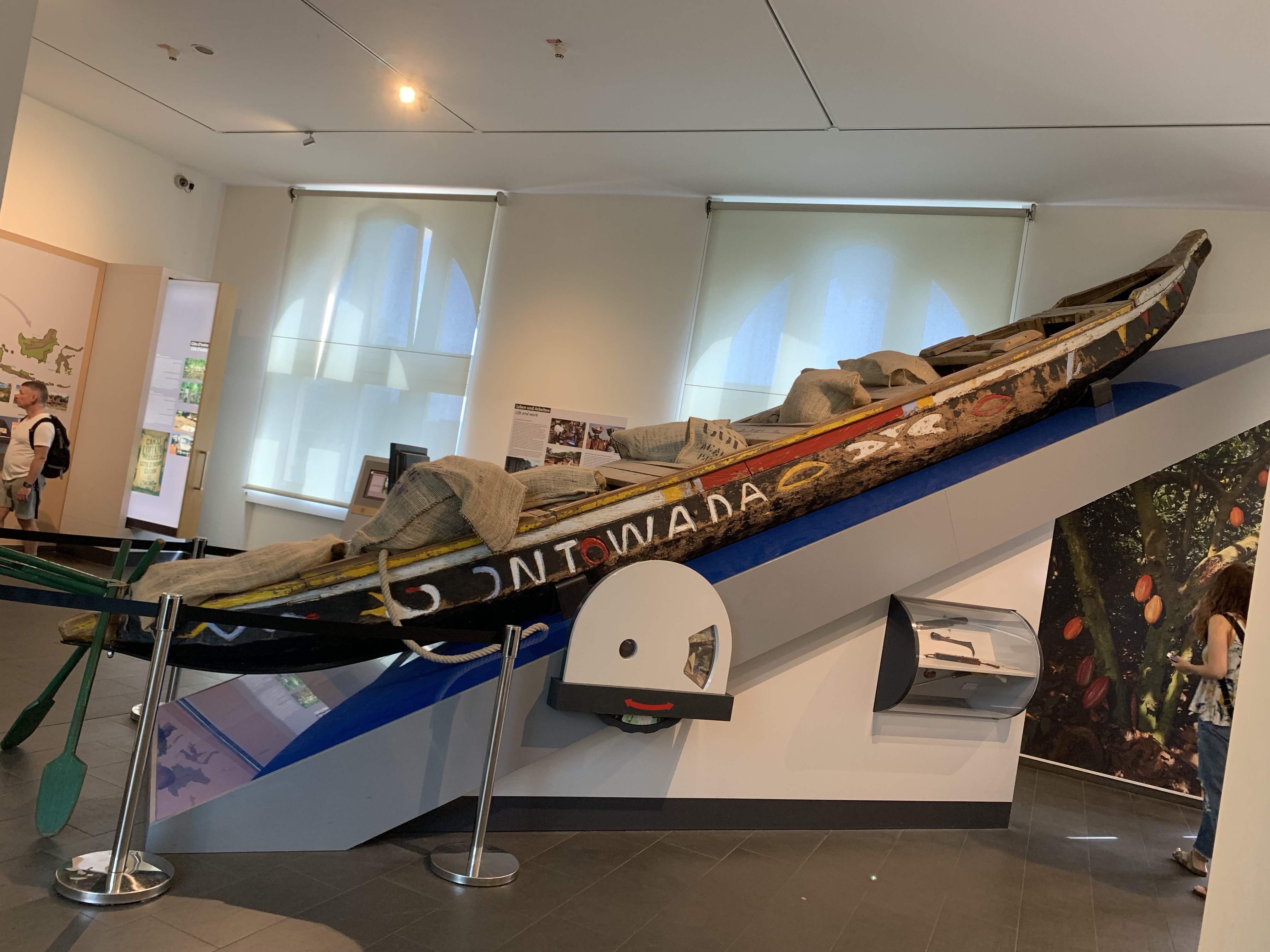
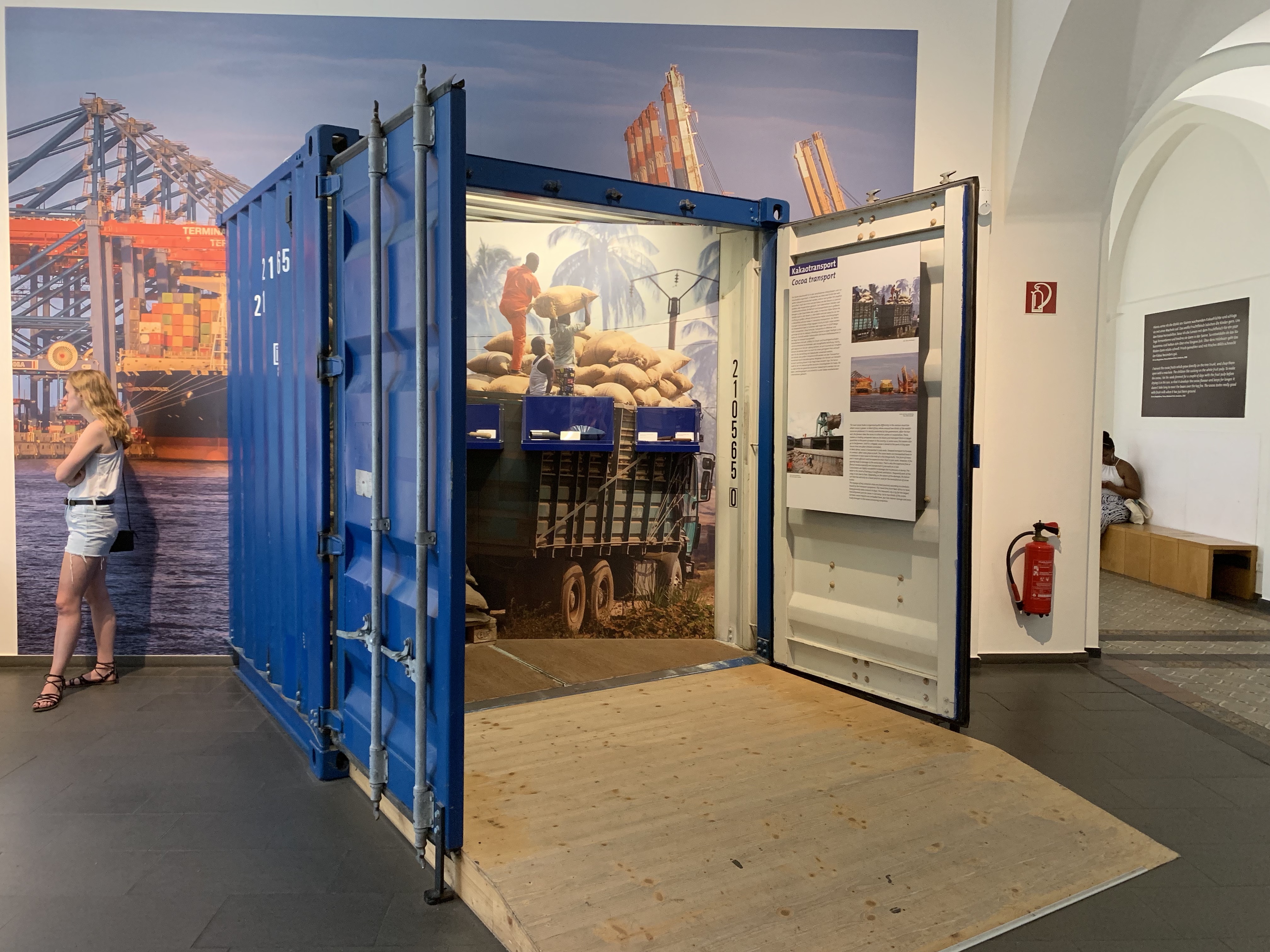
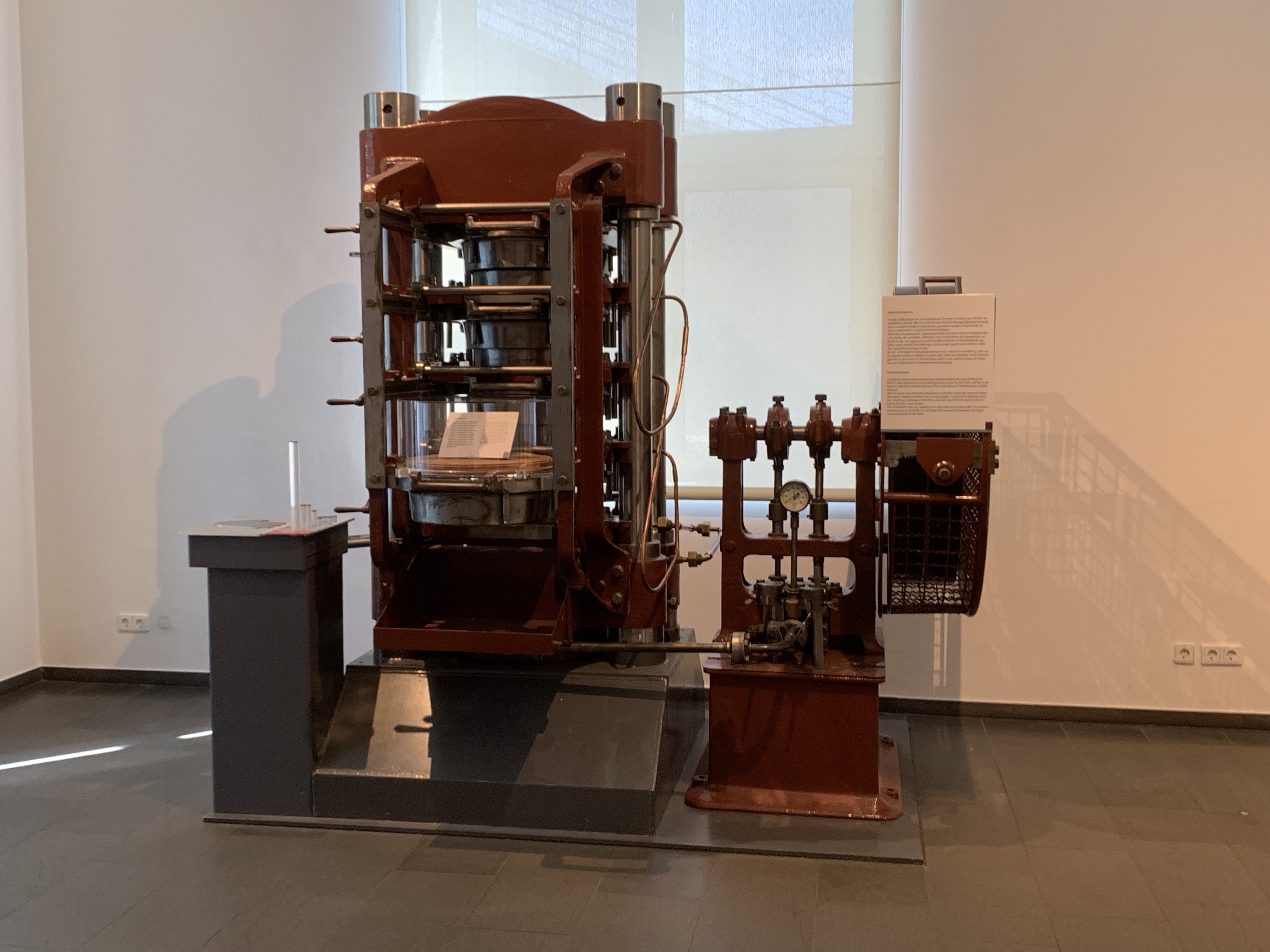
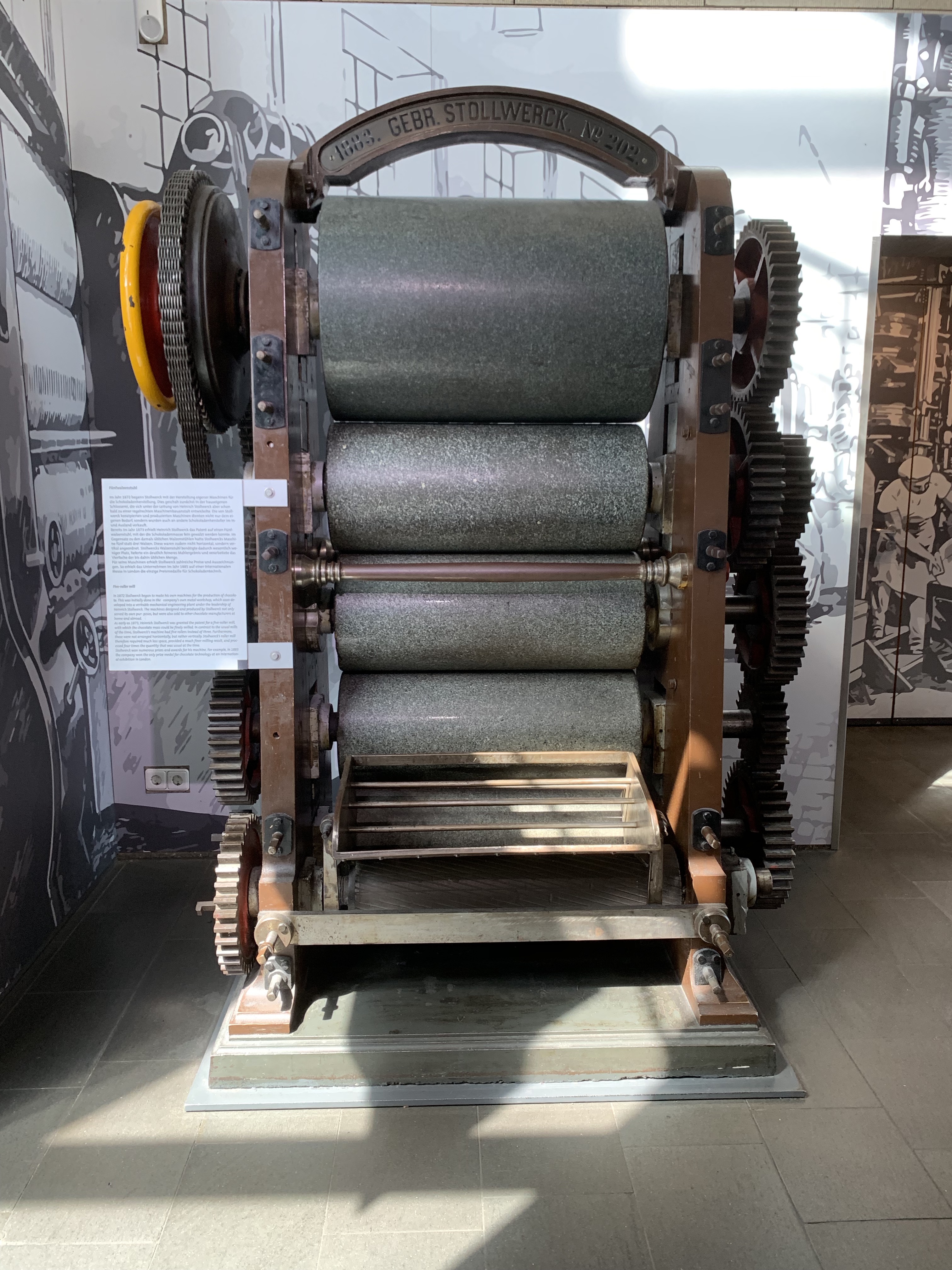
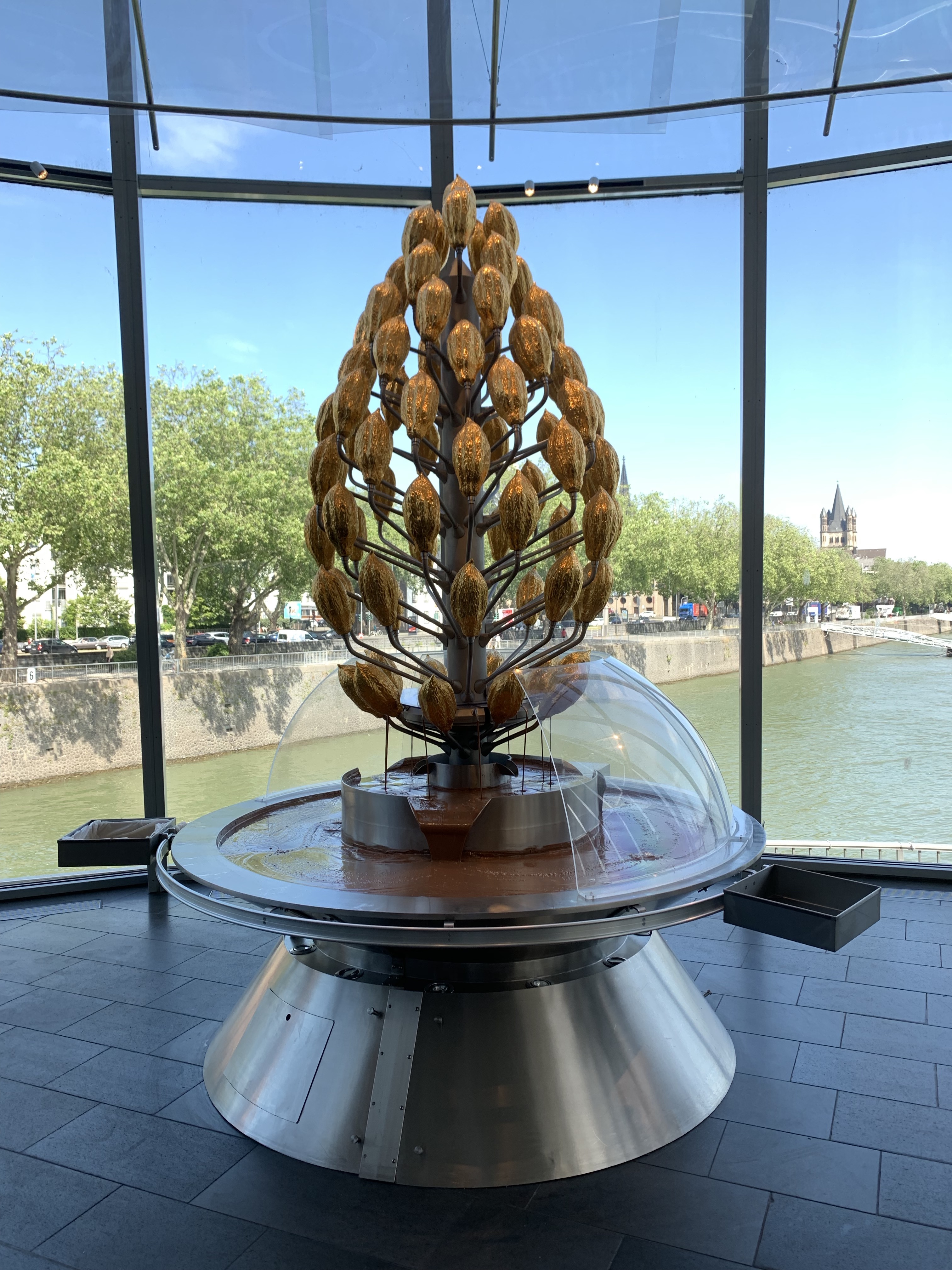
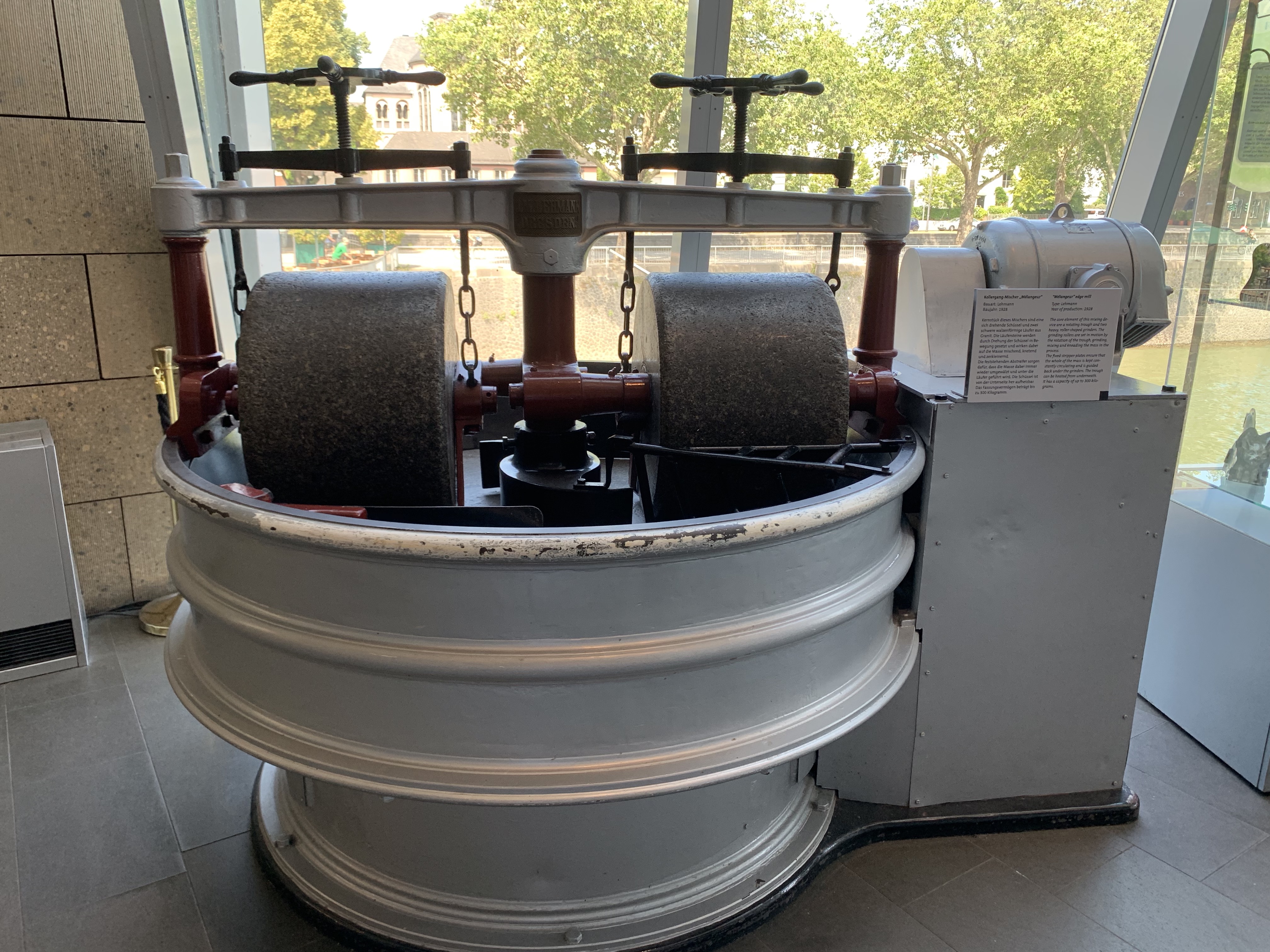
Lindt Chocolate Museum
For Lindt Chocolate, sustainability has always been a core component of their business model and is firmly anchored into their corporate strategy. For starters, they are a part of the German Initiative on Sustainable Cocoa (GISCO), which is a joint initiative of the German Federal Government represented by the German Ministry of Economic Cooperation and Development (BMZ) and the German Ministry of Food and Agriculture (BMEL), the German confectionery industry, the German retail grocery trade, and civil society.
Working in close collaboration with the governments of cocoa-producing countries, its members are committed primarily to the following three main goals:
- To improve the living conditions of cocoa farmers and their families and contribute to a secure living.
- To conserve and protect natural resources and biodiversity in cocoa-producing countries.
- To increase cultivation and commercialization of sustainably produced cocoa.
Secondly, the Lindt & Sprungli Farming Program, which was launched in 2008, guarantees the traceability of cocoa beans with the goal of improving farming methods and the living conditions of the farmers and their rural community. A key part of the farming program is therefore to the training of cocoa farmers in terms of professional, commercial, agricultural, social, and ecological farming methods to increase yield and thus family incomes. Additionally, community development is fostered through the improvement of infrastructure (e.g. wells). The Lindt and Sprungli Farming program is now established in Ghana, Ecuador, Madagascar, Papa New Guinea, and the Dominican Republic and is verified by The Forest Trust, a non-profit organization.
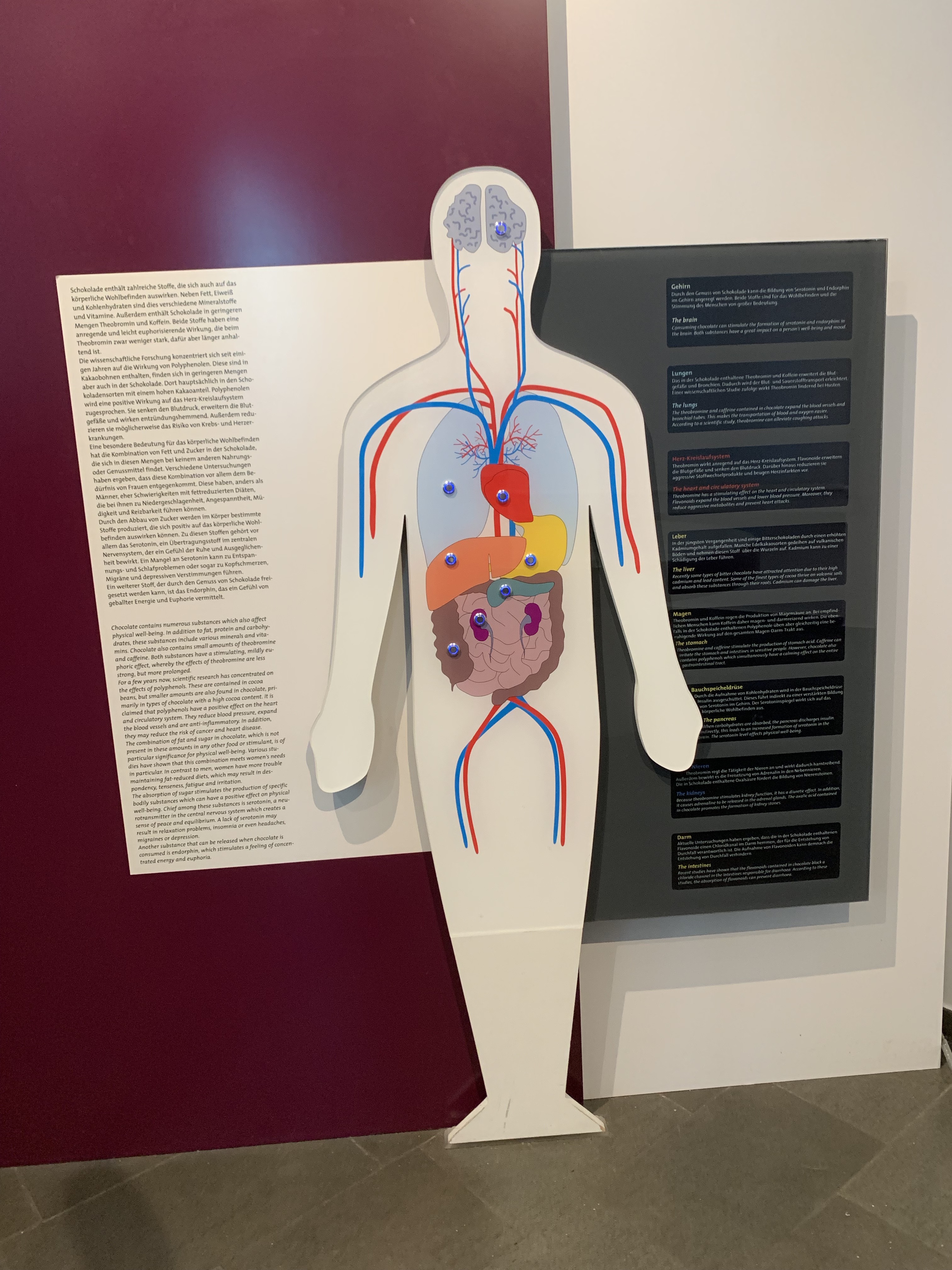
Along with learning about Lindt Chocolate’s sustainable business model, I also really enjoyed the interactive health exhibit of the museum that showed the benefits chocolate has on the brain, lungs, heart and circulatory system, liver, stomach, pancreas, kidneys, and intestines. It was fascinating to learn that chocolate contains numerous substances which affect physical well-being; that in addition to fat, protein, and carbohydrates, these substances include various minerals and vitamins. Chocolate also contains small amounts of theobromine and caffeine both of which have a stimulating, mildly euphoric effect.
Did you know that chocolate with a high cocoa content contains polyphenols, which have a positive effect on the heart and circulatory system? I sure didn’t but apparently, they reduce blood pressure, expand the blood vessels, and act as an anti-inflammatory. Additionally, they can reduce the risk of cancer and heart disease! Who knew chocolate could be so good for you?! I better take some more home!
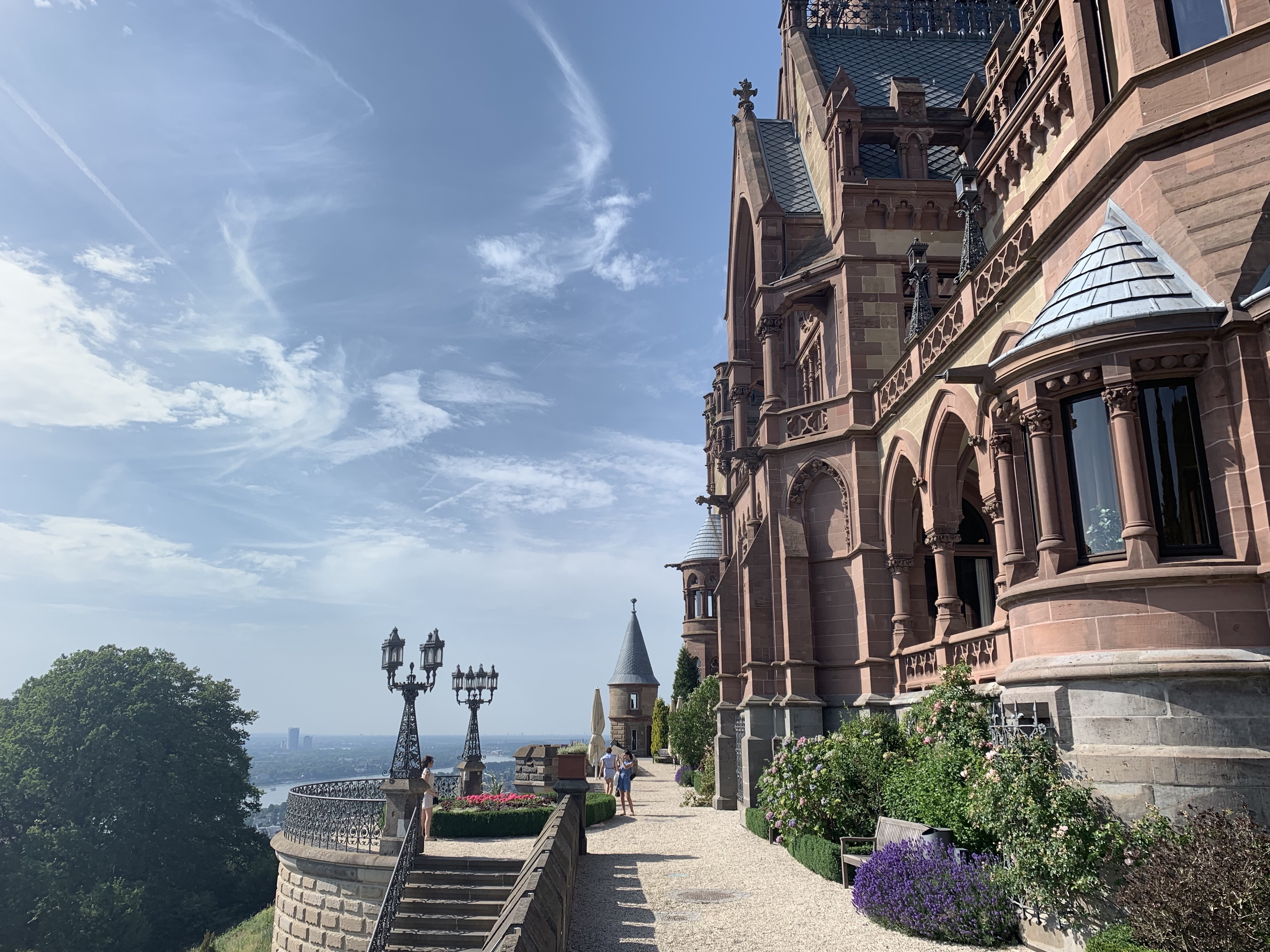
Schloss Drachenburg
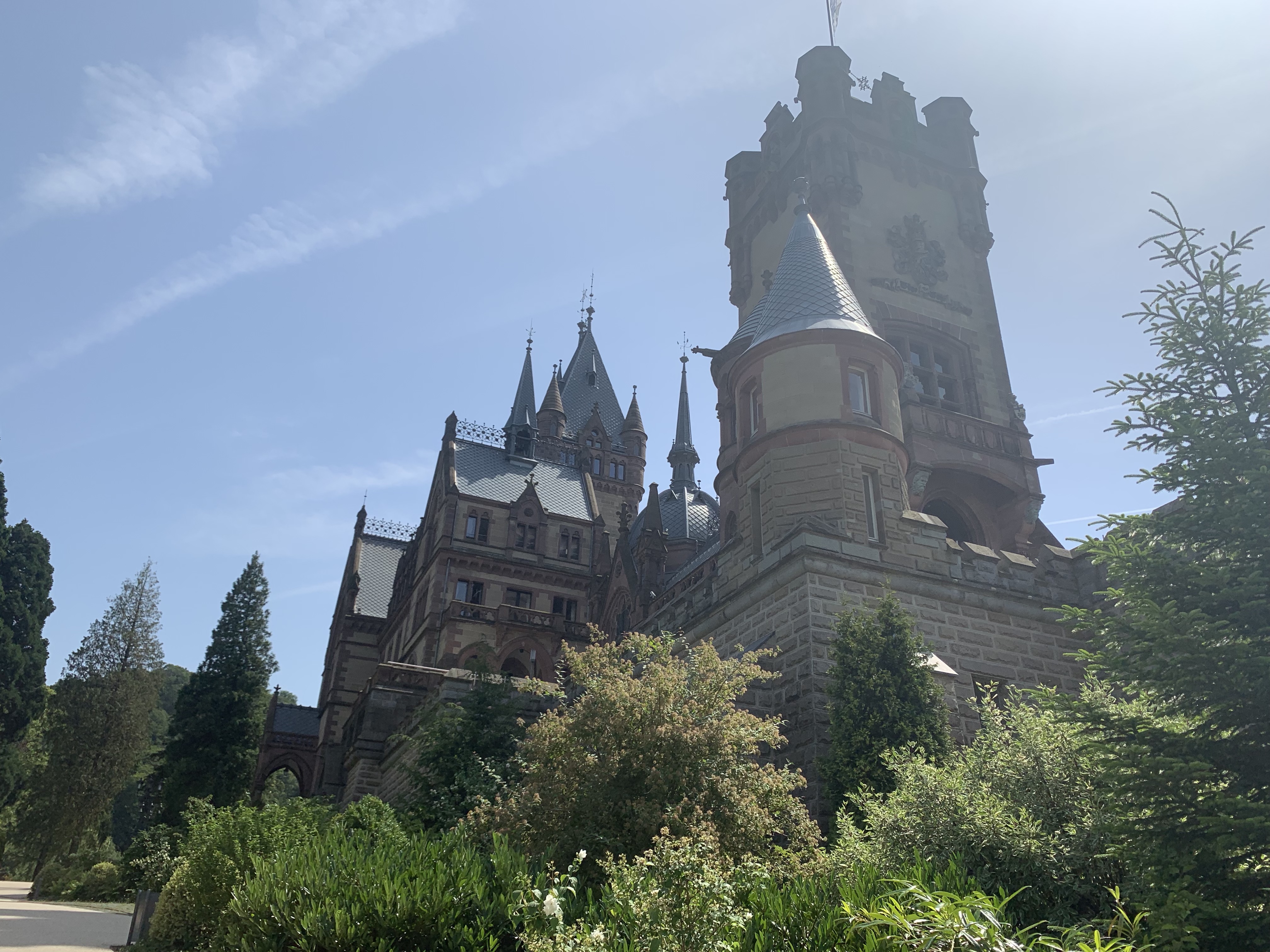
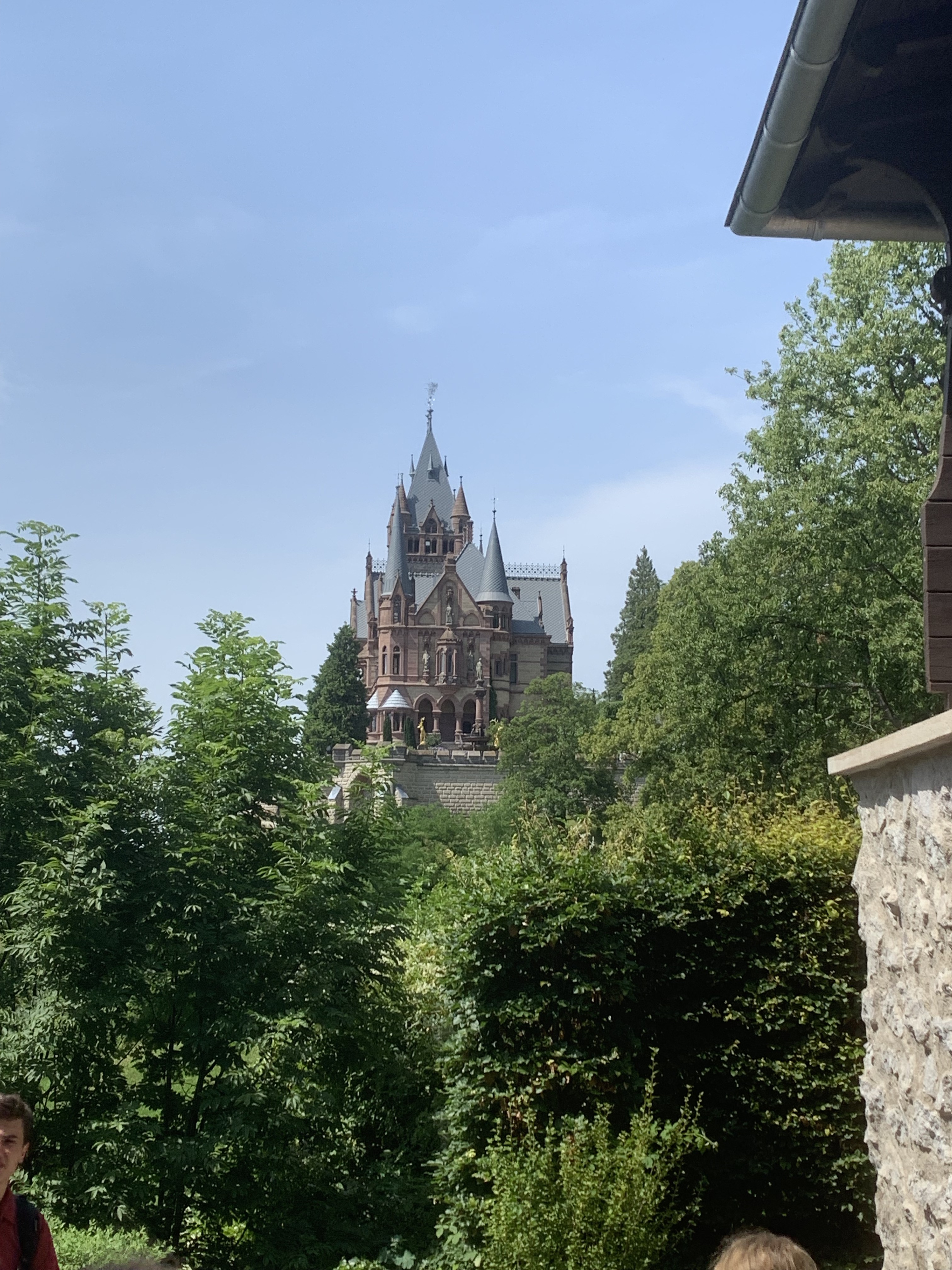
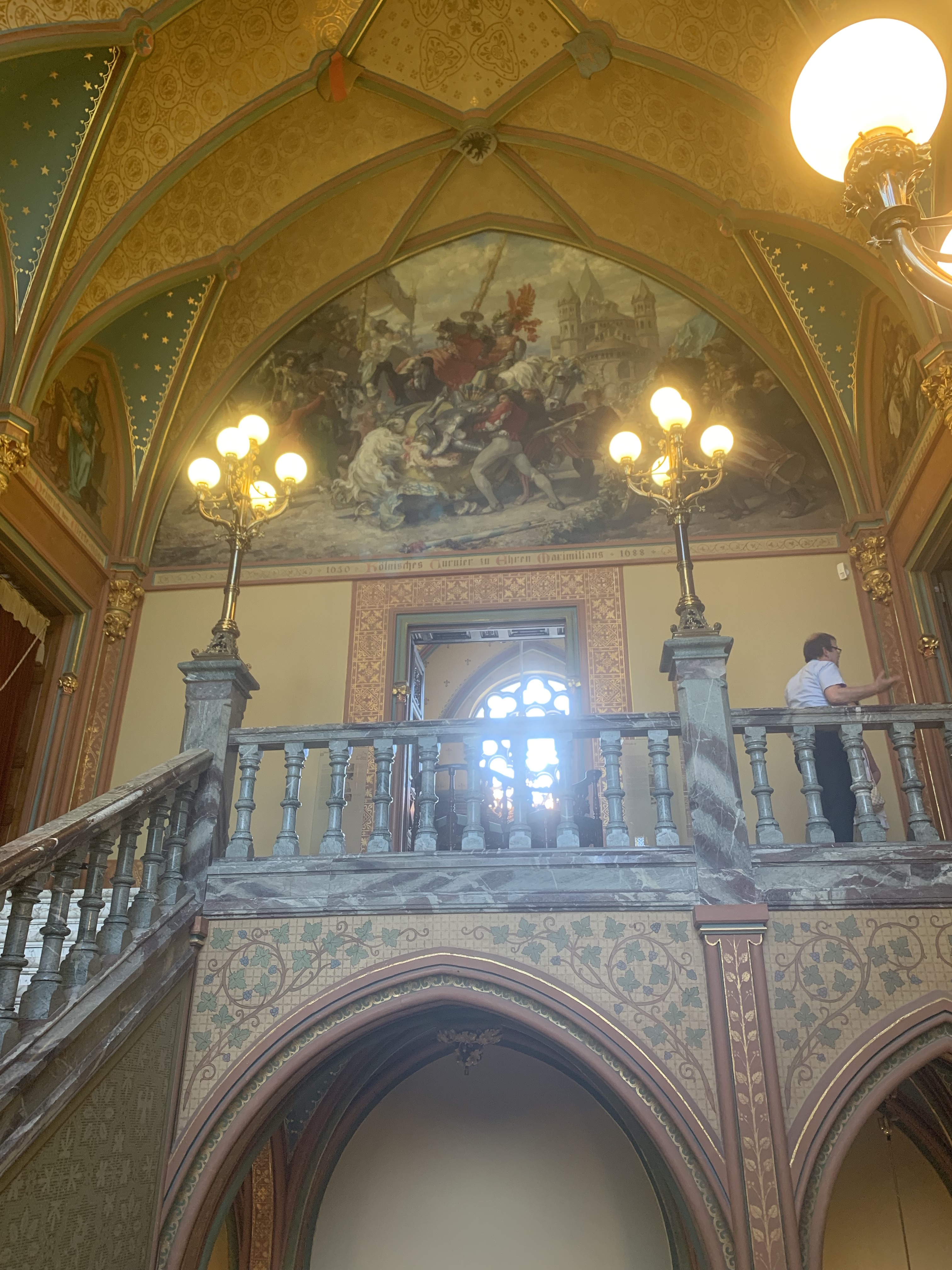
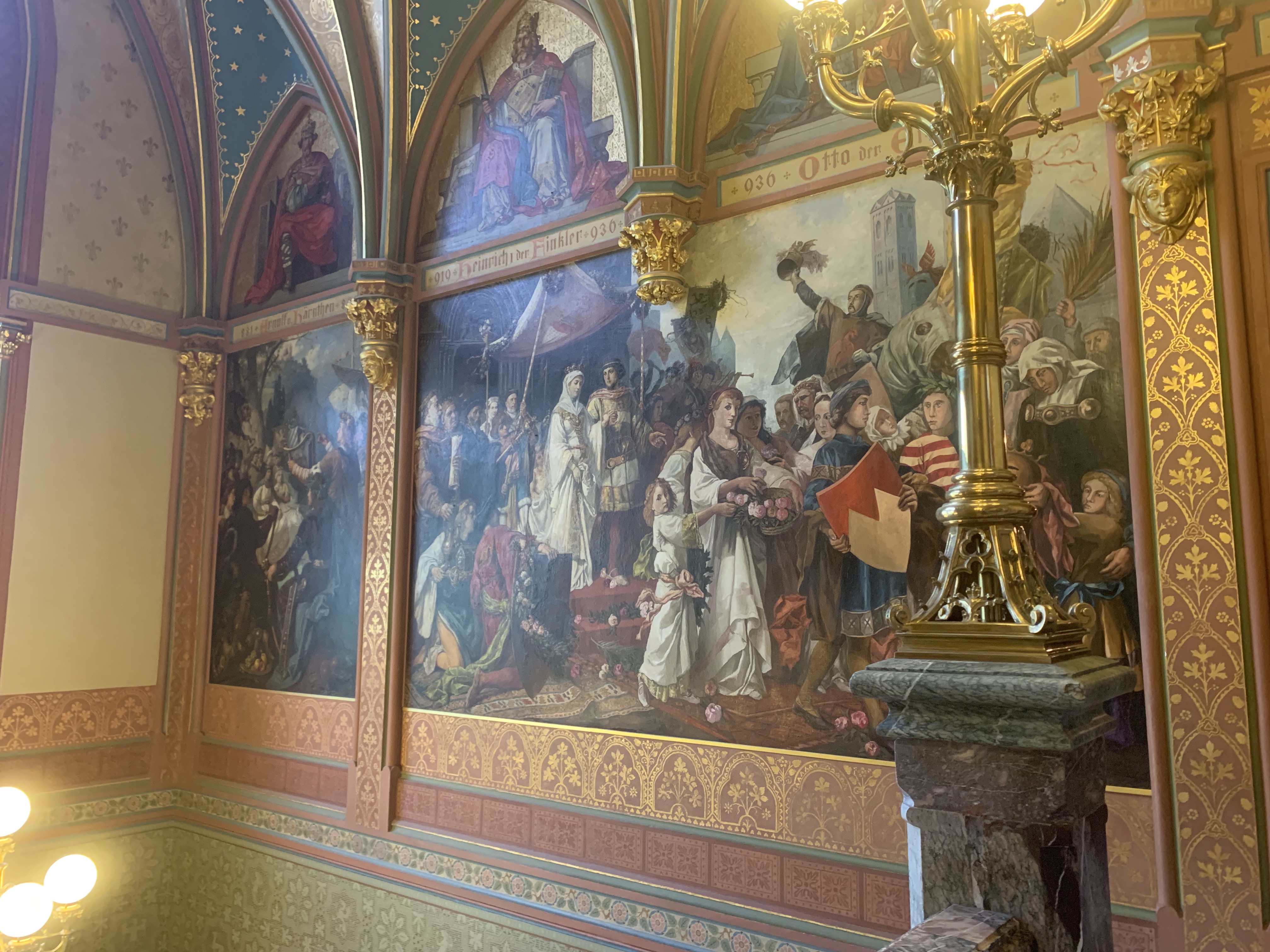
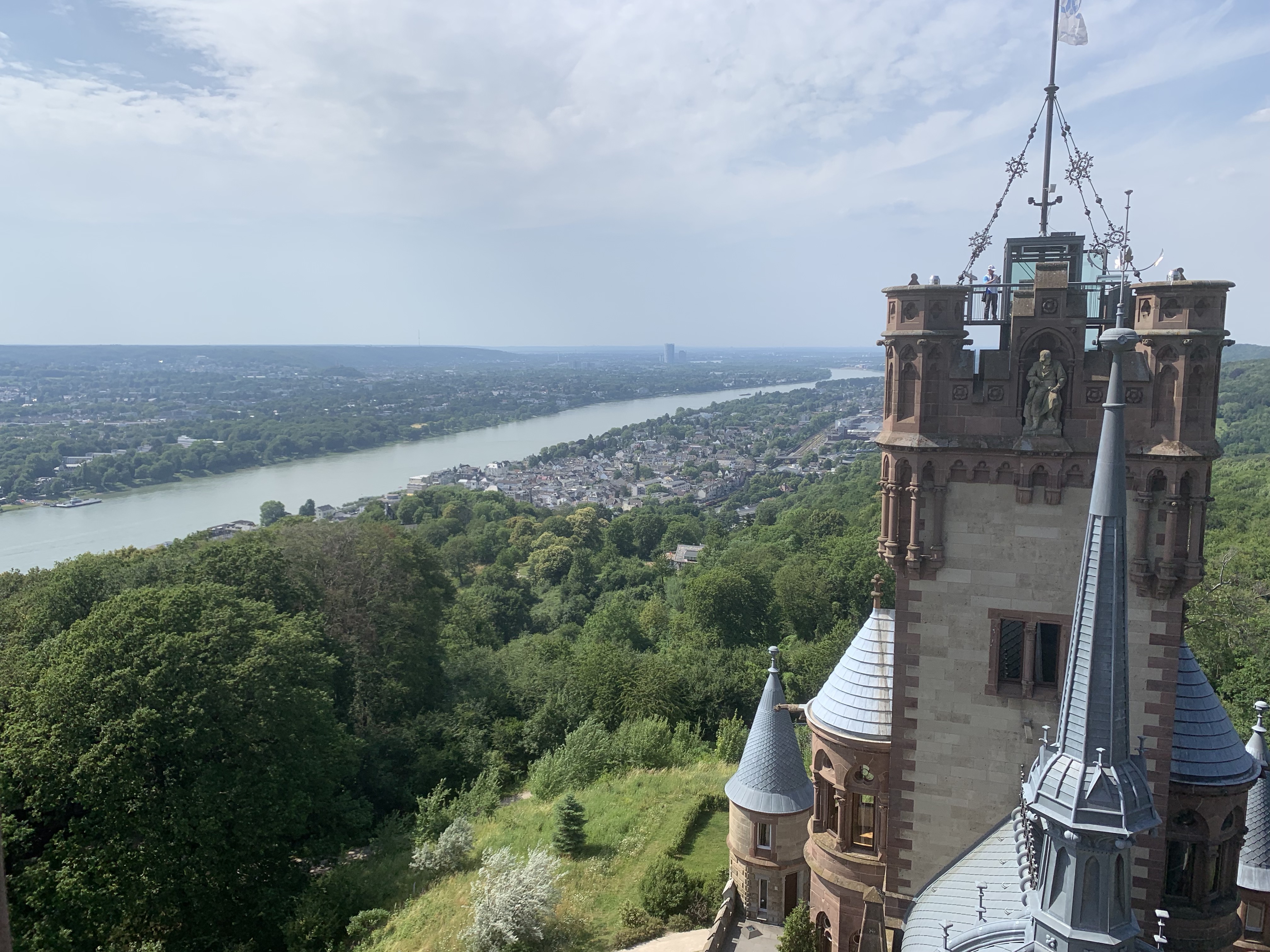
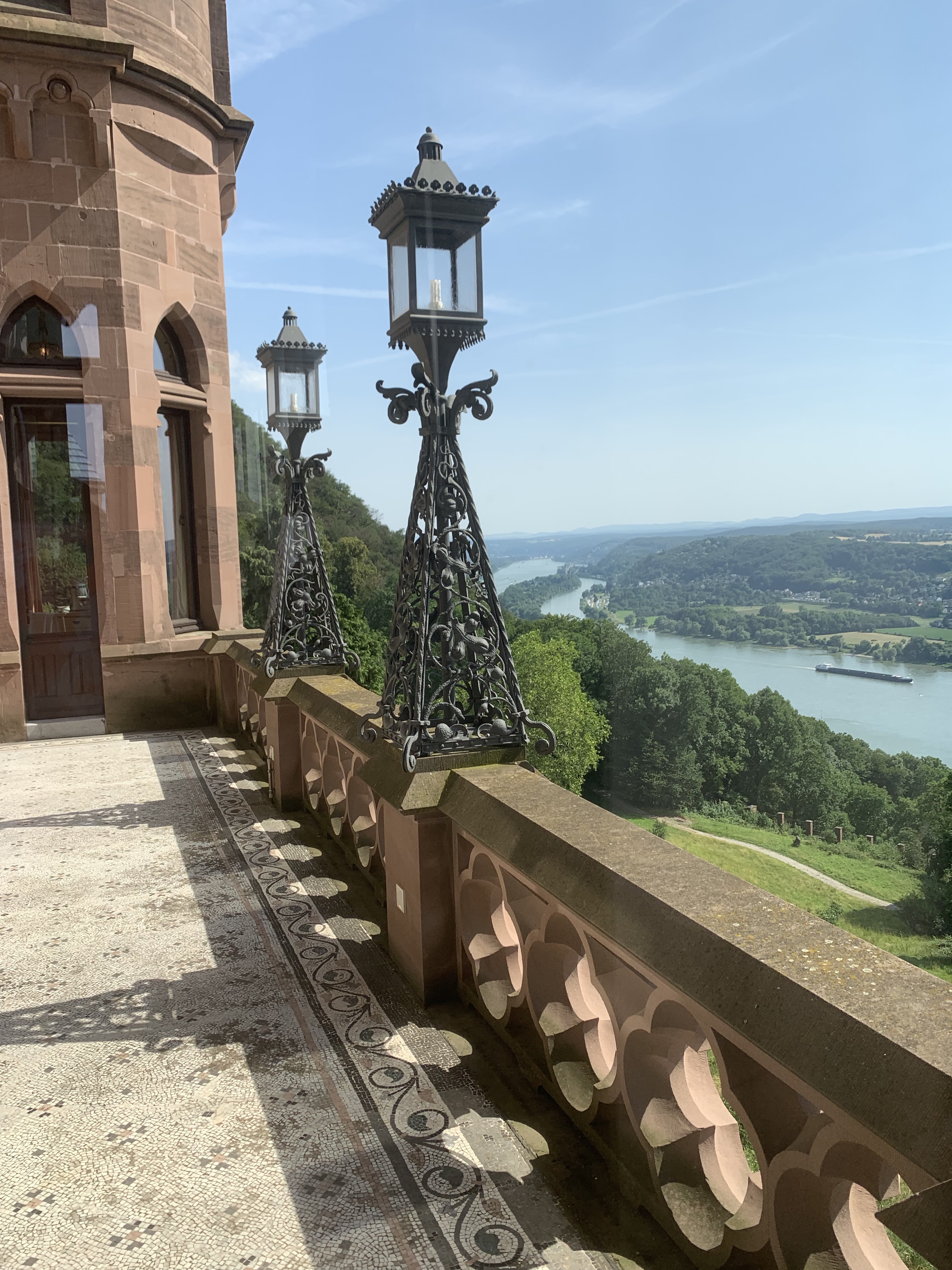
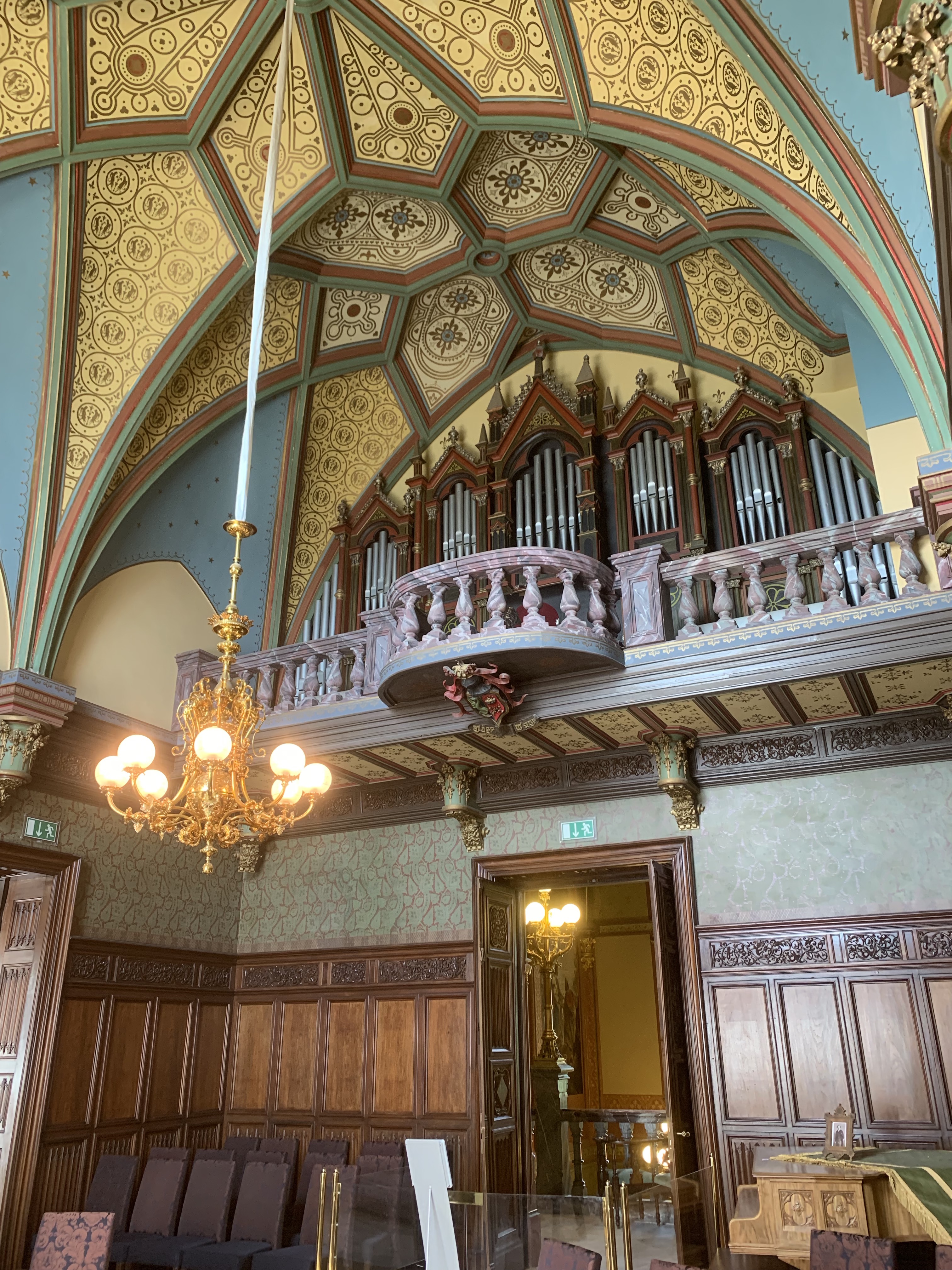
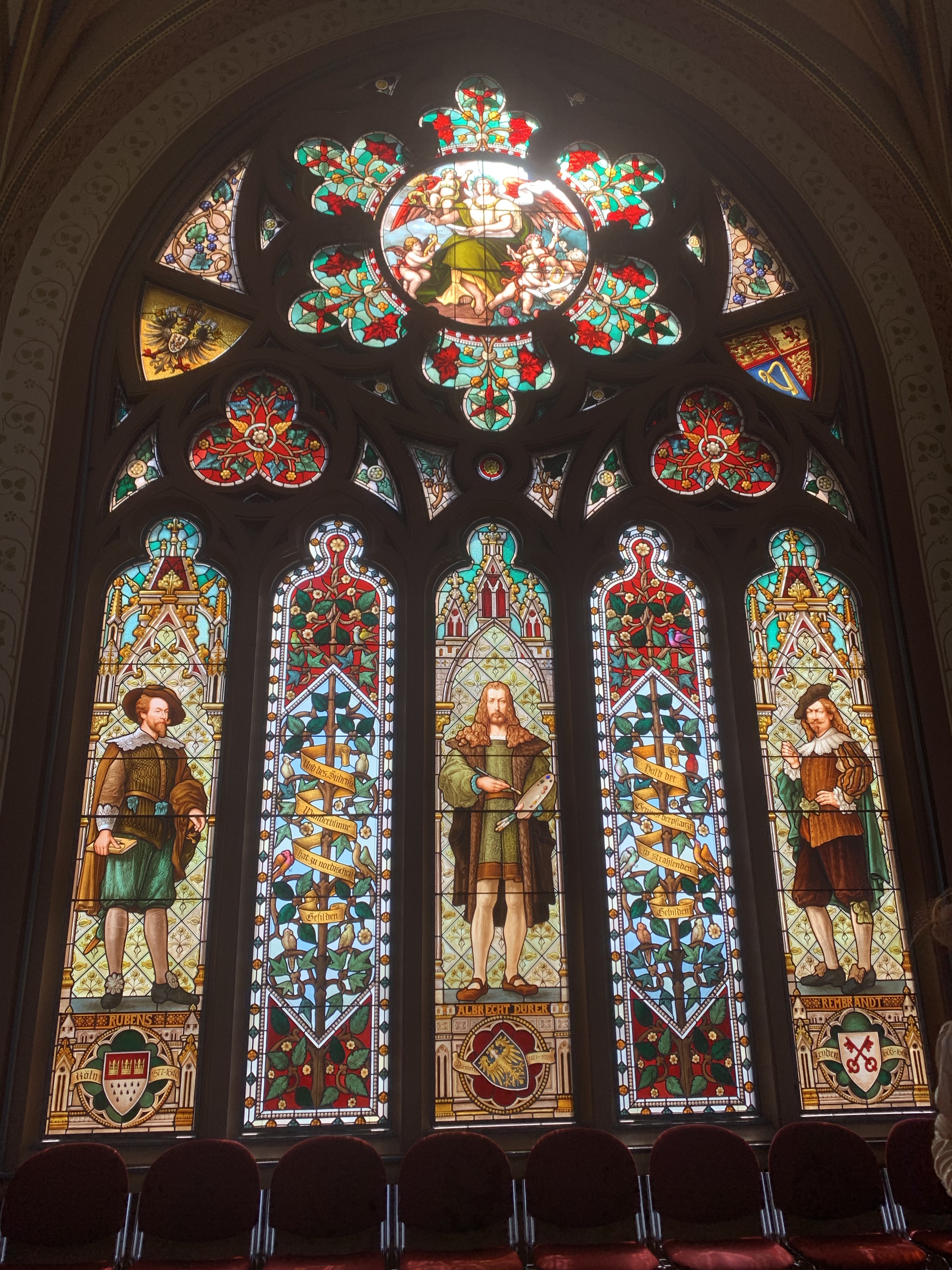
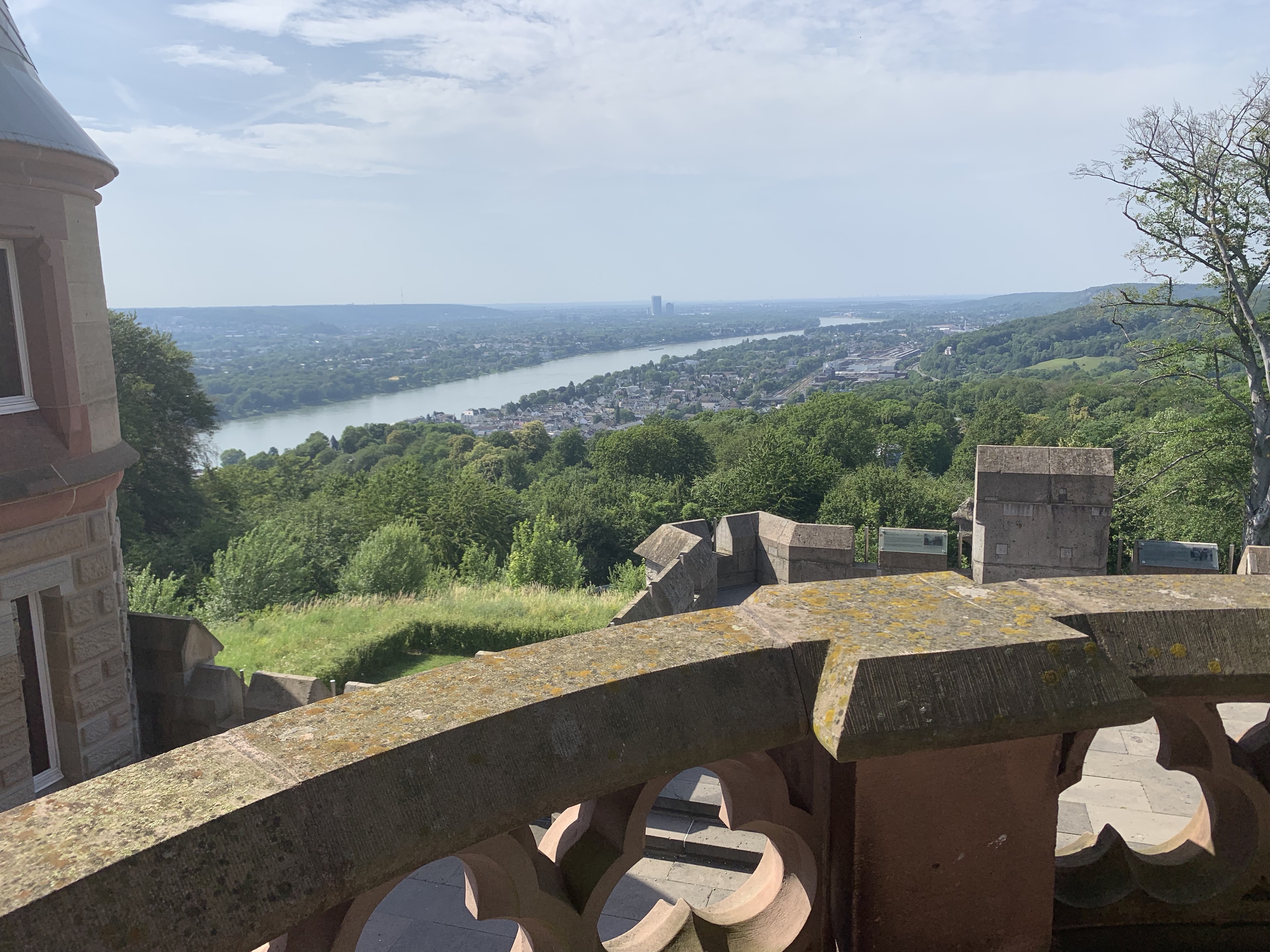
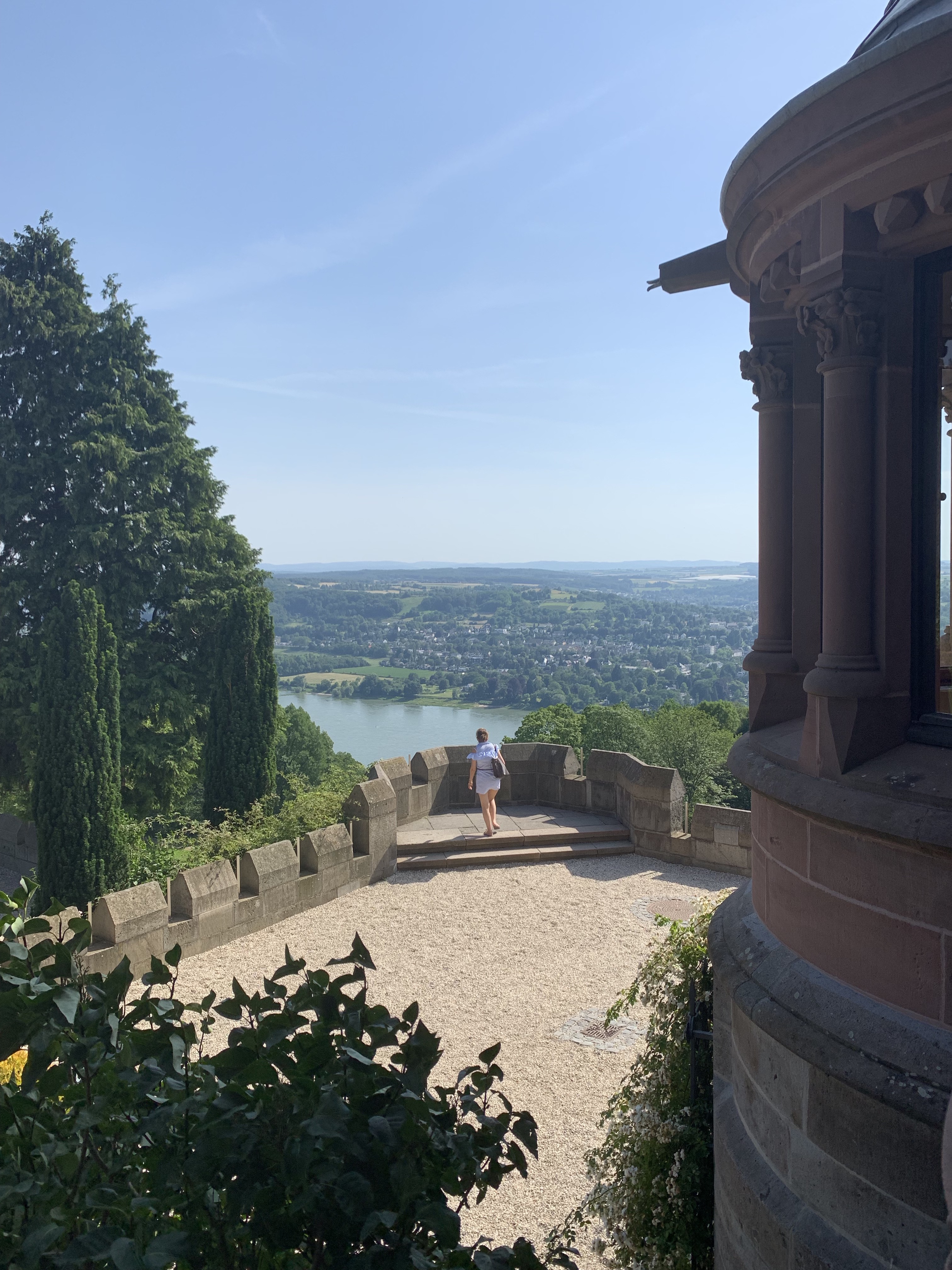
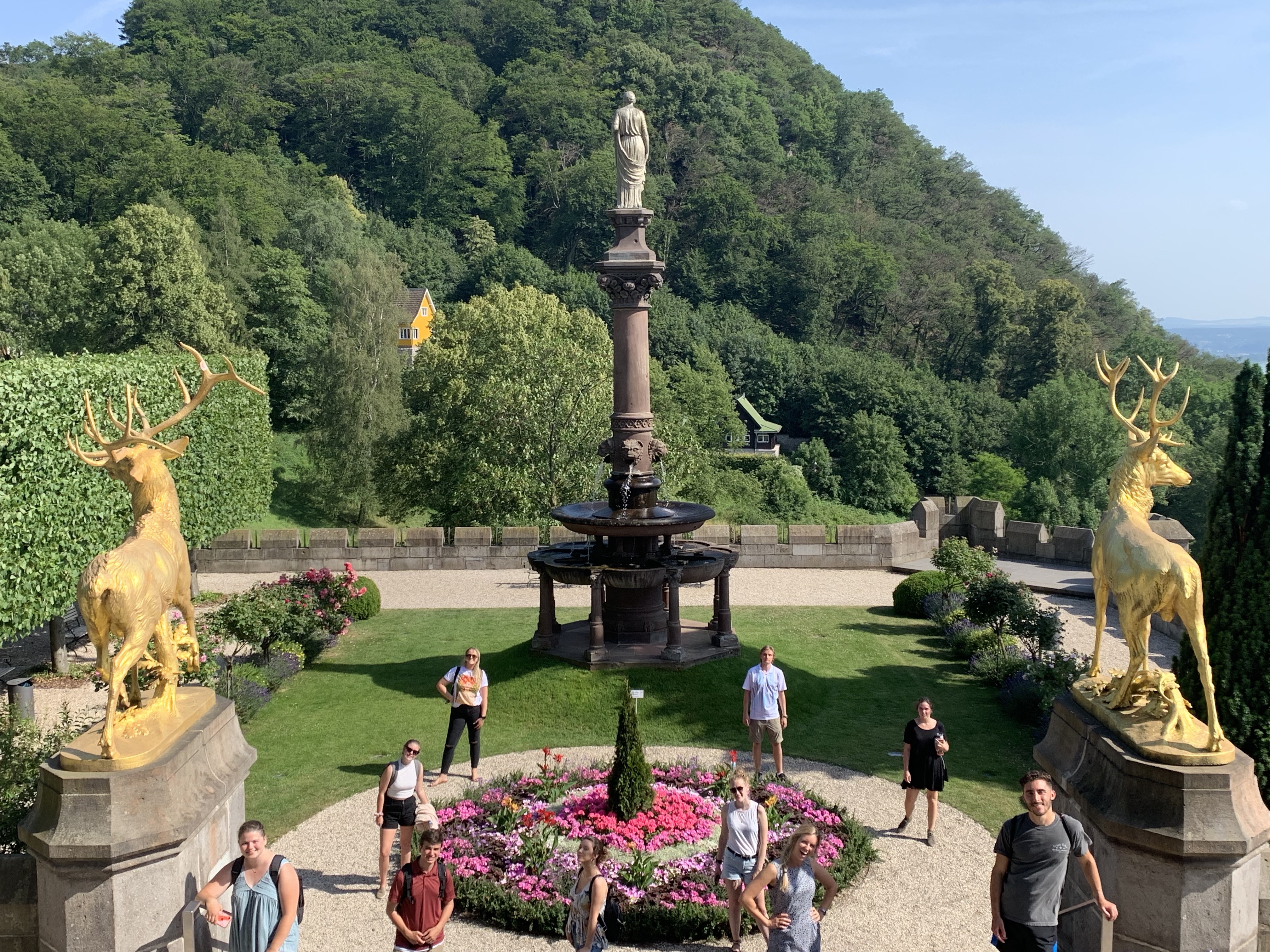
To end the day, my International Environmental Law and Sustainability and Global Corporate Ethics class went about 30 minutes outside of Cologne to Drachenfels in Königswinter, a town in the Rhein-Sieg district in North Rhine-Westphalia to Drachenburg Castle, a palace originally constructed to serve as a private villa in the 19th Century. During the tour we learned that it was built in record time from 1882 to 1884 in the style of historicism (Neofrühgotik on the exterior, as well as neo-renaissance in the interior) as a representative residence for Stephan von Sarter, who, having made his fortune investing in the Suez Canal, built the castle as a symbol of his success. Surprisingly enough never though, he never actually lived in the castle!
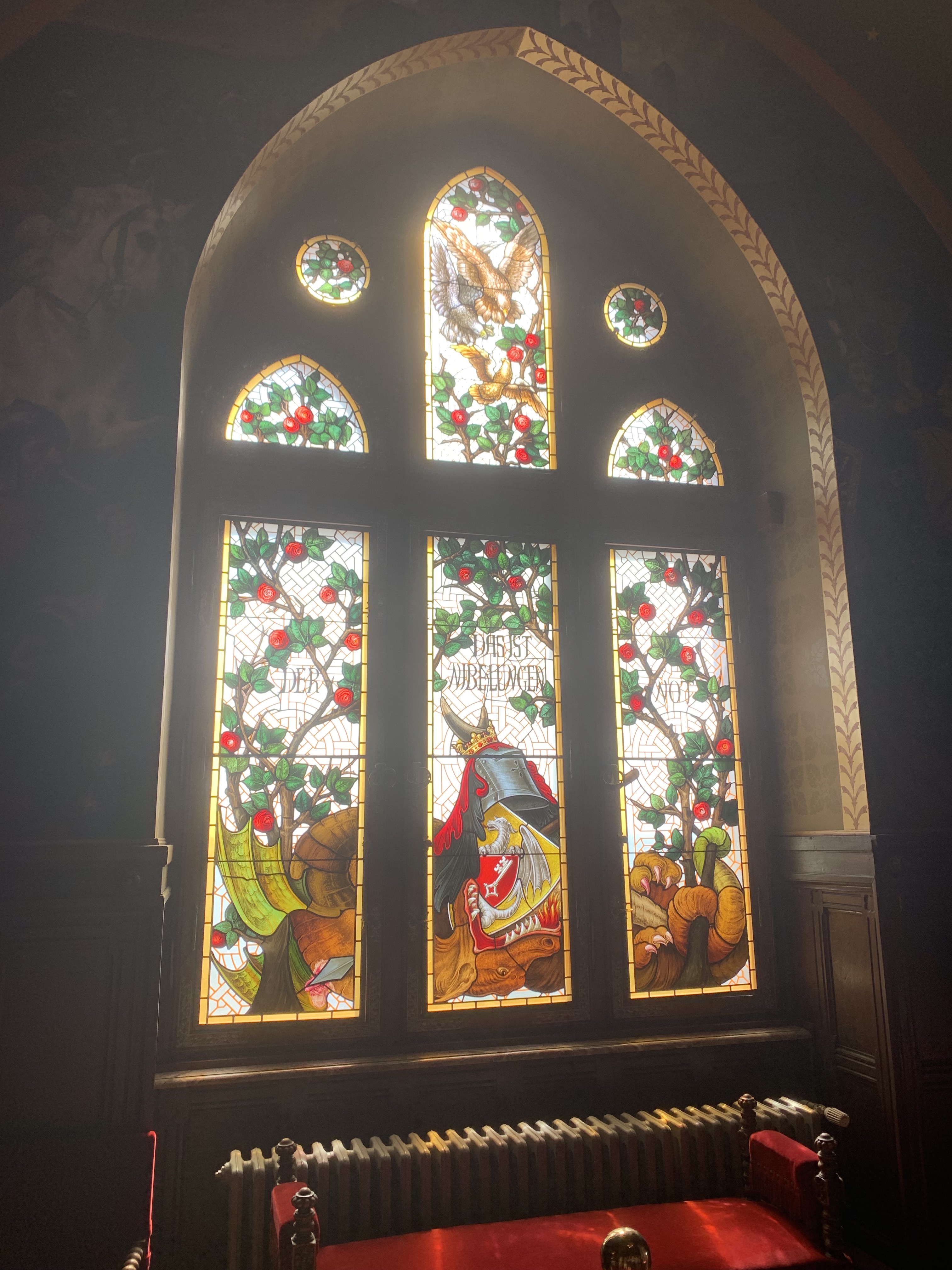
A highlight of the tour for me was learning that Drachenfels (Dragon’s Rock) refers to the medieval ruins at the top of the peak. According to legend, Siegfried, the hero of the Nibelungenlied, is said to have slayed the dragon Fafnir here and bathed in its blood to become invulnerable.
BASF/ Martin Brudermüller
Before our trip to Cologne, Alex talked to us about BASF and their CEO Martin Brudermüller. During his presentation, I learned that BASF is not only a German chemical company but also the world’s largest chemical producer in the world. They continuously work to develop intelligent solutions to create chemistry for a sustainable future. Currently the company comprises subsidiaries and joint ventures in more than 90 countries and operates six integrated production sites and 355 other production sites in Europe, Asia, Australia, the Americas, Africa, Asia Pacific, and the Middle East.
Generating around €63 billion in 2018, the BASF Groups approximately 122,000 employees work on contributing to the success of their customers in nearly all sectors and almost every country in the world. Their portfolio is organized into six segments: Chemicals, Materials, Industrial Solutions, Surface Technologies, Nutrition & Care, and Agricultural Solutions.
In 2018, they started a global Carbon Management that will help them reach their new climate target of 2030 and enable further reduction of greenhouse gas emissions in the long term. Since 1990 they have halved their greenhouse gas emissions – while doubling our production. However, they understand that further reduction of greenhouse gas emissions will be increasingly difficult due to the high degree of efficiency that they have now reached with their processes. Nevertheless, they do not want to serve the globally growing demand for chemical products at the cost of the climate. They have therefore set out to be CO2-neutral growth until 2030, which means growth without an overall increase in greenhouse gas emissions.
 Sarah's European Voyage