
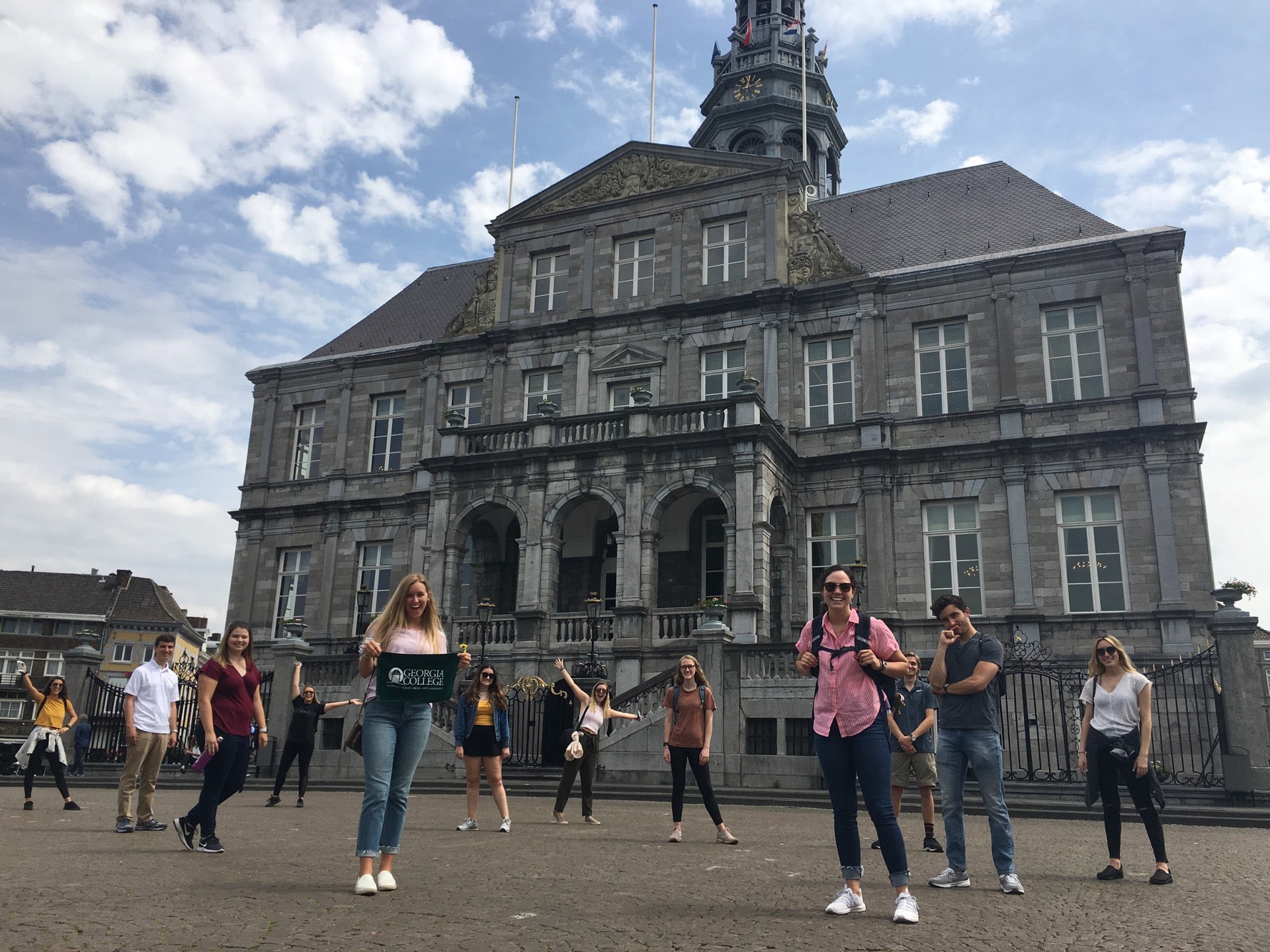
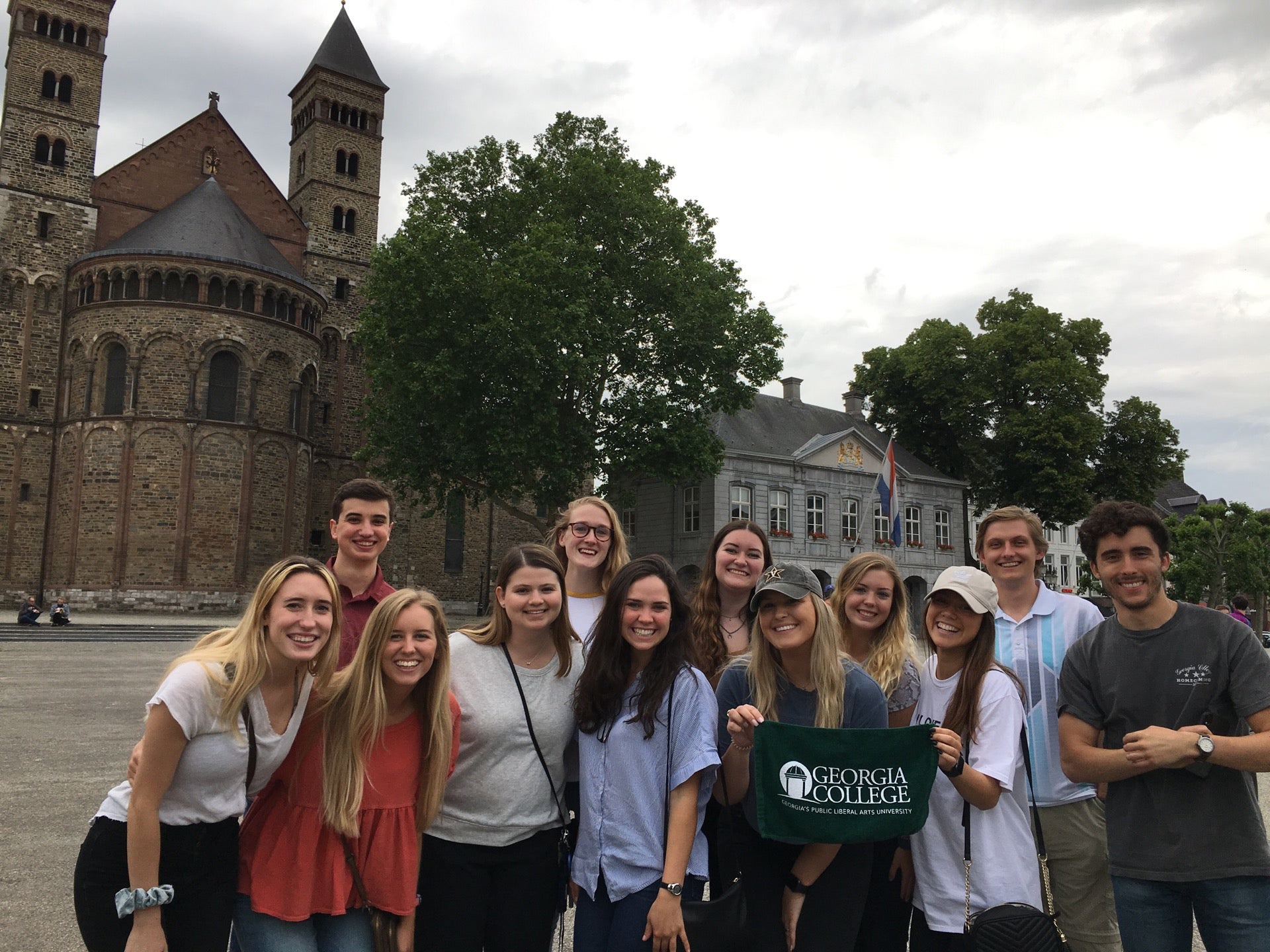
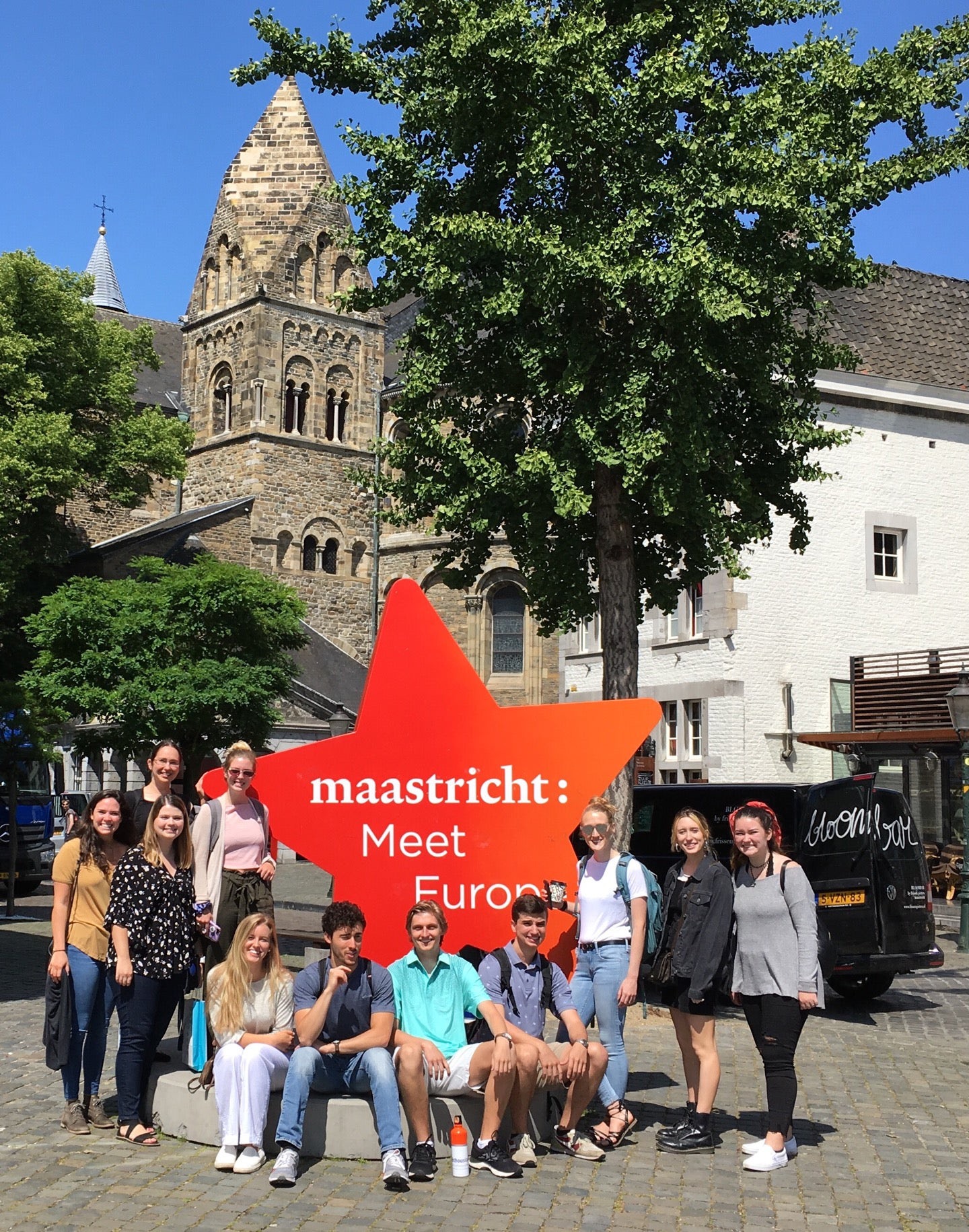
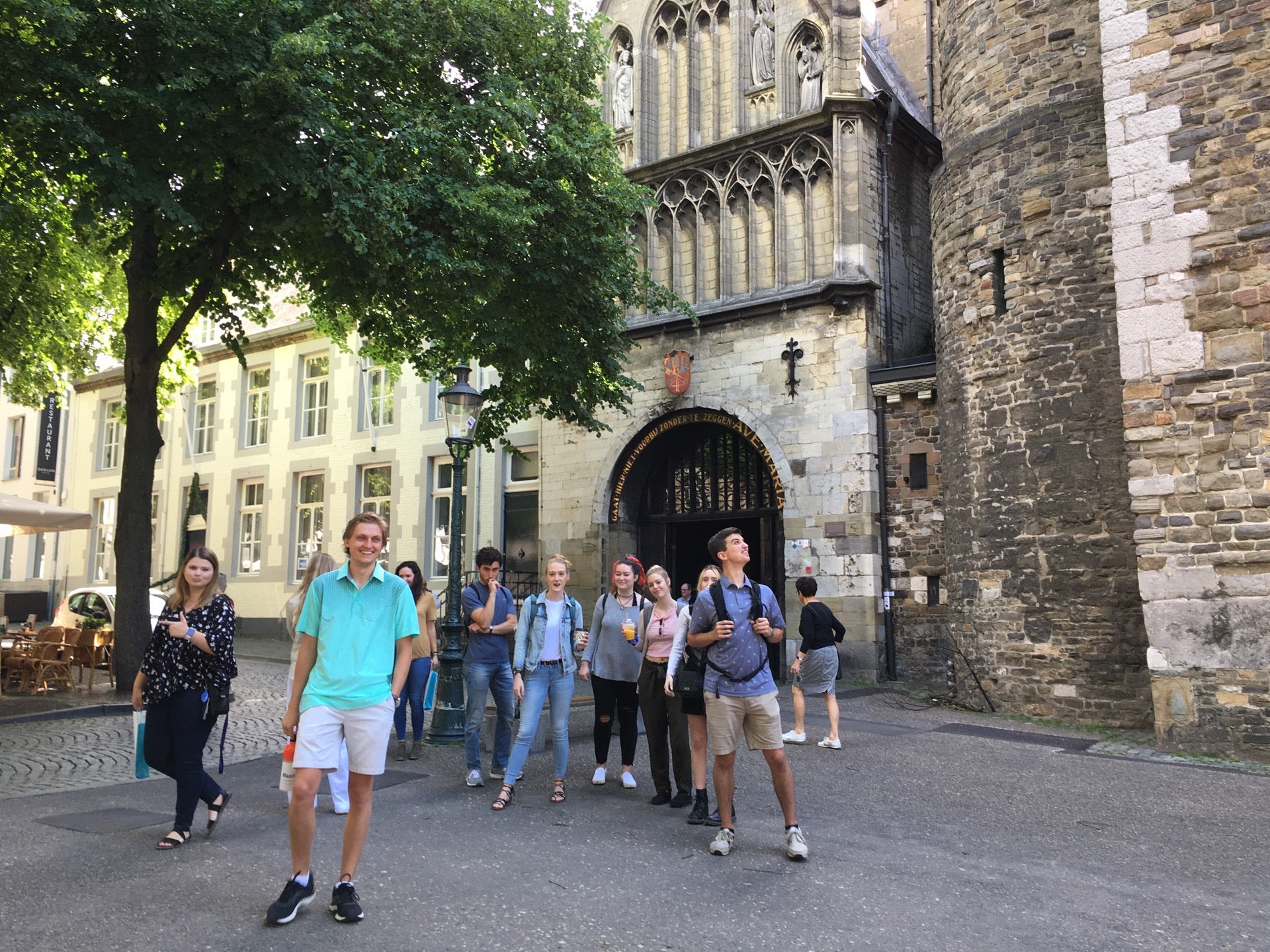
After living in the Netherlands for an entire week I definitely feel for settled and confident in my abilities to not only navigate public transportation but also in my abilities to get outside my comfort zone and embrace the Dutch culture, language, food, and lifestyle. So far my time here has been a very transformative and an overwhelmingly positive experience. I certainly love living in Maastricht at the University Guesthouse were students form all over the world – Australians, Germans, Canadians, Spaniards, Brazilians, South Africans – come to study abroad. Moreover, with this being my first time studying abroad and living in another country for an extended period of time, I have tried to take advantage of all the opportunities that are available to me. To do this I have struck a respectable balance between school and travel, making enough time and effort to do a decent job at both, which has made it a much more well-rounded experience. I have even gotten the chance to visit multiple countries and cities already —Luxembourg, The Hague, Rotterdam, Liége — thanks to the comprehensive network of trains in Europe.
All in all, my first week studying abroad in the Netherlands has been an amazing experience filled with both unbelievable joy and excitement to dreaded hardship that has tested my resilience (and composure). Nevertheless, I wouldn’t trade any of my experience for the world. The Netherlands is a perfect balance of historical and modern and is a unique culture that, although is different than the United States, is wonderful in itself all the same. Thus, I highly recommend studying abroad to future undergraduate students (whether or not it is in the Netherlands) because if you take the plunge you are almost certain to be longing to return for the gouda cheese and stroopwafels, the ease of biking, the orange-adorned streets, and the amenities – museums, weekend markets, concerts, and festivals that make the Netherlands vibrant and exciting.
Bikes, Bikes, Bikes… Bikes Everywhere!
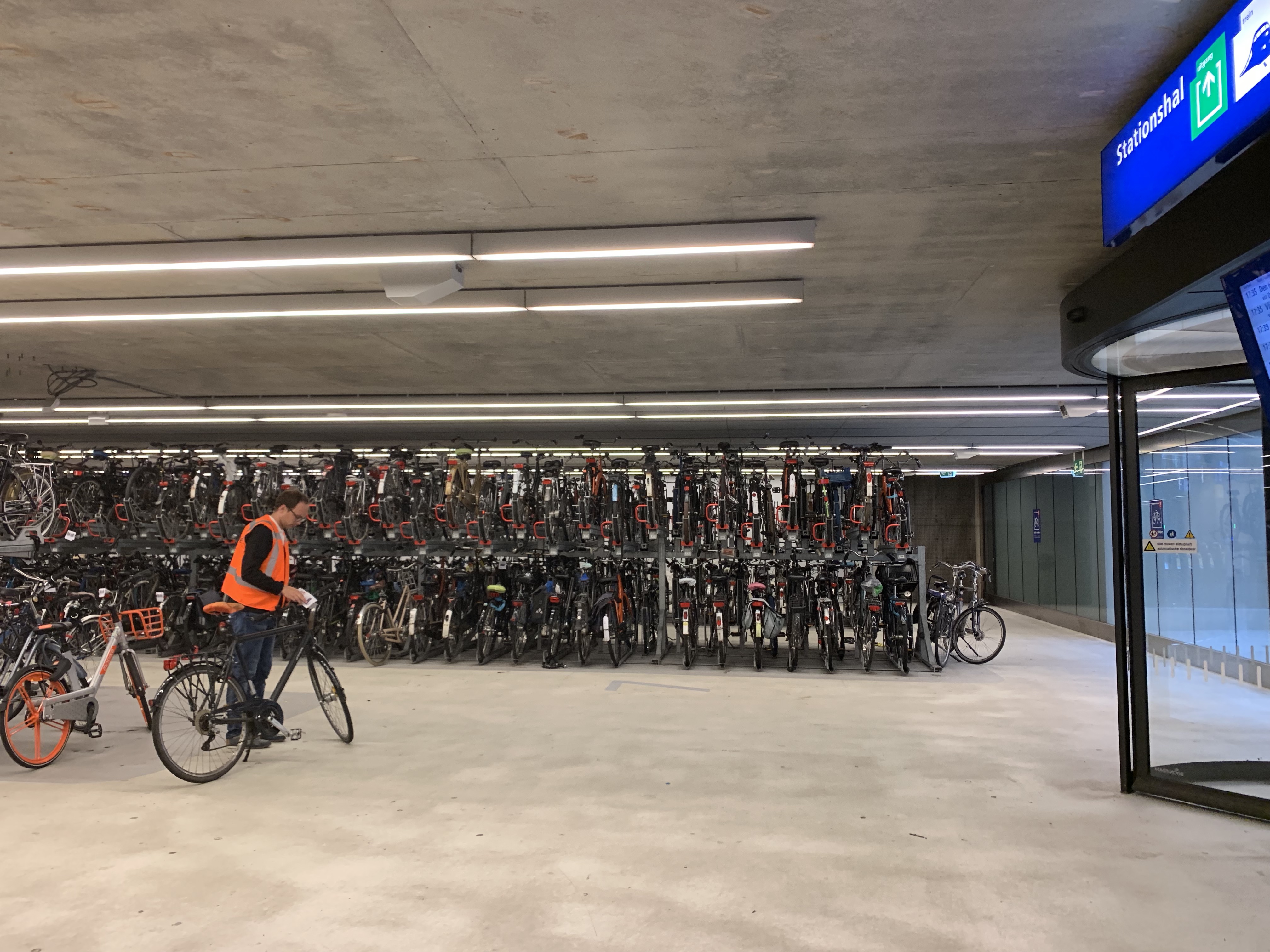
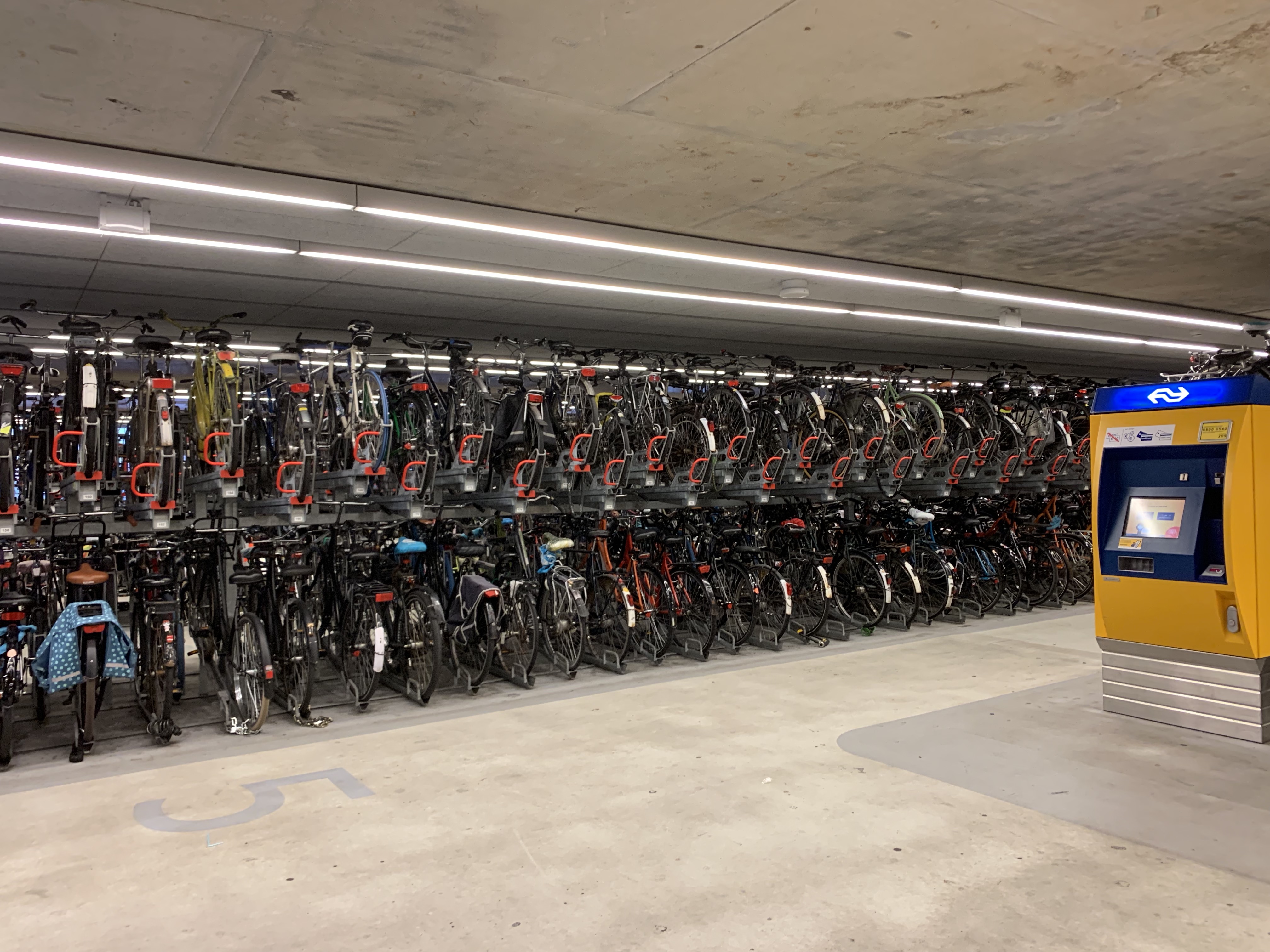
An obvious stereotype when most people picture the Netherlands is bikes but in fact there are 2.5 bikes per person in the Netherlands meaning their truly are more bikes than people. The multi-level parking garages found in many cities are quite often dedicated just to bikes in the Netherlands. The bike lanes and paths are very well established, and the country is incredibly flat. Thus, you are not likely to find a land more conducive to biking culture and will definitely be the odd one out if you don’t take advantage of it.
There are bikes full of groceries, bikes with giant boxes on the front to transport your IKEA couch or piano home. There are bikes with three children attached in various ways as moms bike everyone to school. There are bikes with someone’s girlfriend riding sideways on the rack over the back tire. There are flocks of bikes with university students riding home from the bar in the wee hours of the morning. There are bikes on bikes on bikes.
The reason for all these bikes is due to three main reason. Firstly, in the 1950s and 1960s, as car ownership rocketed, bikes no longer became the primary mode of transpiration. As a result, many countries in Europe, roads became increasingly congested and cyclists were squeezed to the curb; however, the jump in car numbers caused a huge rise in the number of deaths on the roads. In 1971, more than 3,000 people were killed by motor vehicles, 450 of them children.
In response a social movement demanding safer cycling conditions for children was formed. Called Stop de Kindermoord (Stop the Child Murder), it took its name from the headline of an article written by journalist Vic Langenhoff whose own child had been killed in a road accident.
Secondly, the Dutch’s faith in the reliability and sustainability of the motor vehicle was shaken by the Middle East oil crisis of 1973, when oil-producing countries stopped exports to the United States and Western Europe. As a result, these twin pressures helped to persuade the Dutch government to invest in improved cycling infrastructure and Dutch urban planners started to diverge from the car-centric road-building policies being pursued throughout the urbanizing West.
Thirdly, for the Netherlands tackling climate change is a key concern, and the role cycling plays in this is increasingly important. As the visibility of the effects of climate change increases, cycling helps to promote sustainable modes of transportation while helping to reduce their carbon footprint and impact on the environment.
Climate Change
Though I haven’t been asked directly about why the United States withdrew from the Paris Climate agreement, I do know that the Dutch feel that by United States has a responsibility to uphold in combating climate change. As the second-largest global emitter, the United States withdrawal from the Paris Climate Agreement sends a destructive message that could undercut collective efforts to reduce emissions, transition to renewable energy sources, and lock in future climate measures, which puts the Netherlands at greater risk compared to others as they are more sensitive to rising sea levels (About 1/3 of the Netherlands is below sea level with the lowest point 6.7 metres or 22 feet blow sea level). Therefore, with Greenland and Antarctic ice sheets melting off at an uncomfortably rapid pace, Oosterscheldekering, a key dam in protecting the southwestern part of the Netherlands against flooding could be at risk even with the strongest greenhouse gas reduction and if the most conservative climate scenario came to fruition.
 Sarah's European Voyage