
Many of our daily activities – such as living in our homes, using electricity and water, driving a car, or disposing of waste – create greenhouse gas emissions. These emissions are our household’s carbon footprint and they vary depending on our location, habits, and personal choices. On a global scale, our households are responsible for 24% of the total emissions of greenhouse gases, according to the US Environmental Protection Agency with roughly a third of these emissions coming from residential buildings. Furthermore, our homes affect the environment in several ways. How our house is built and how we live in it contribute to our personal carbon footprint.
Unsurprisingly, The Dutch do more to address their carbon footprint than we do in the United States. For instance, most people the Netherlands have taken action to keep the negative impact of their homes low, by 1) recycling or using energy-efficient appliances, 2) making small or large changes to their homes, such as installing water-saving shower heads or solar panels, and 3) owning or renting a home in a new, eco-friendly building. They also walk or bike as their primary form of transportation instead or driving or using public transportation, which significantly helps in reducing CO2 carbon emissions.
The United States, on the other hand, are not as sustainably conscious when it comes to recycling or using energy-efficient appliances, installing water-saving shower heads or solar panels, or owning or renting a home in a new, eco-friendly building. Unfortunately, the reason for this could very well be because of the affordability barrier people face when trying to purchase sustainable products, as they are significantly more expensive.
Site Visits
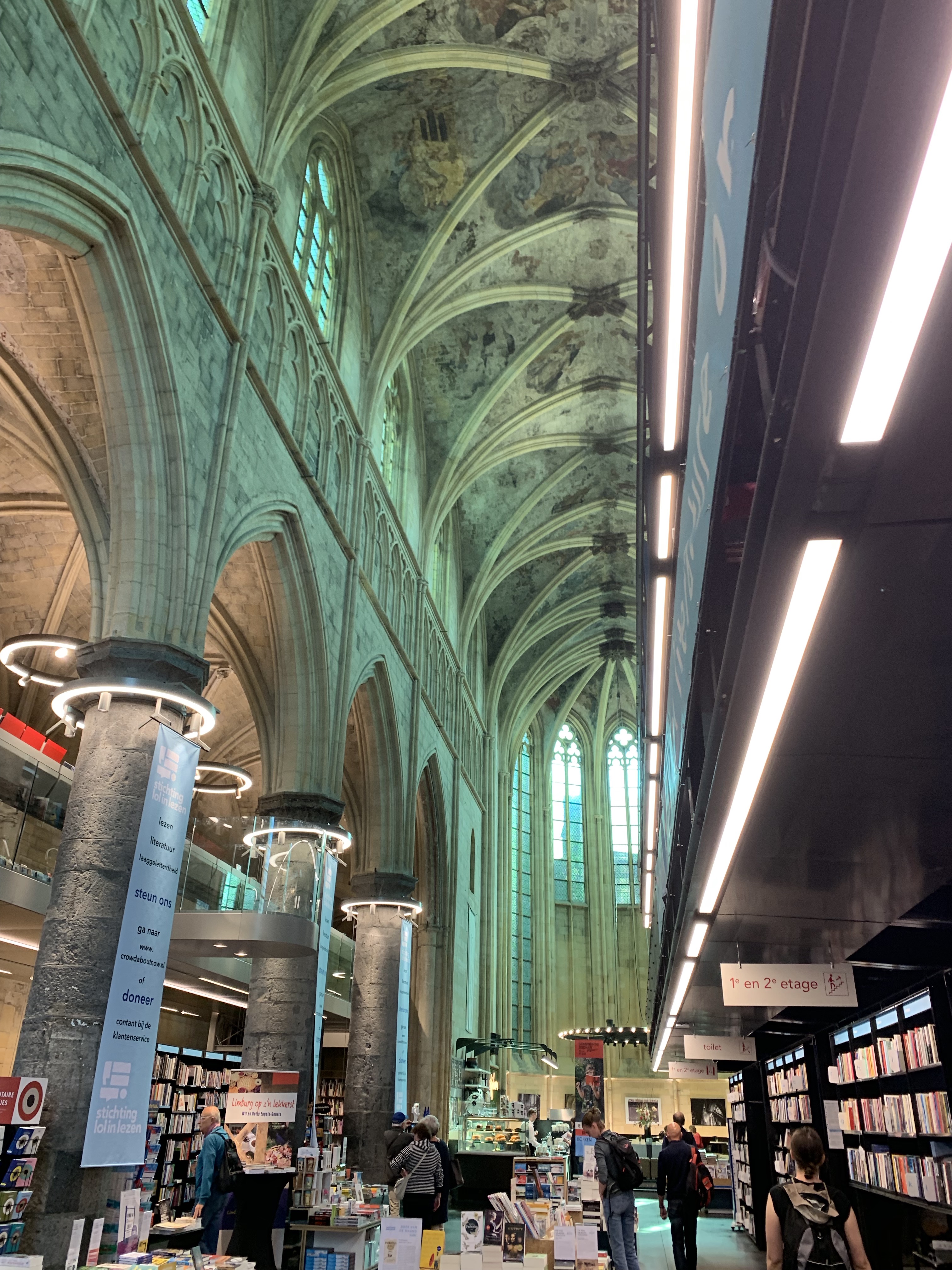
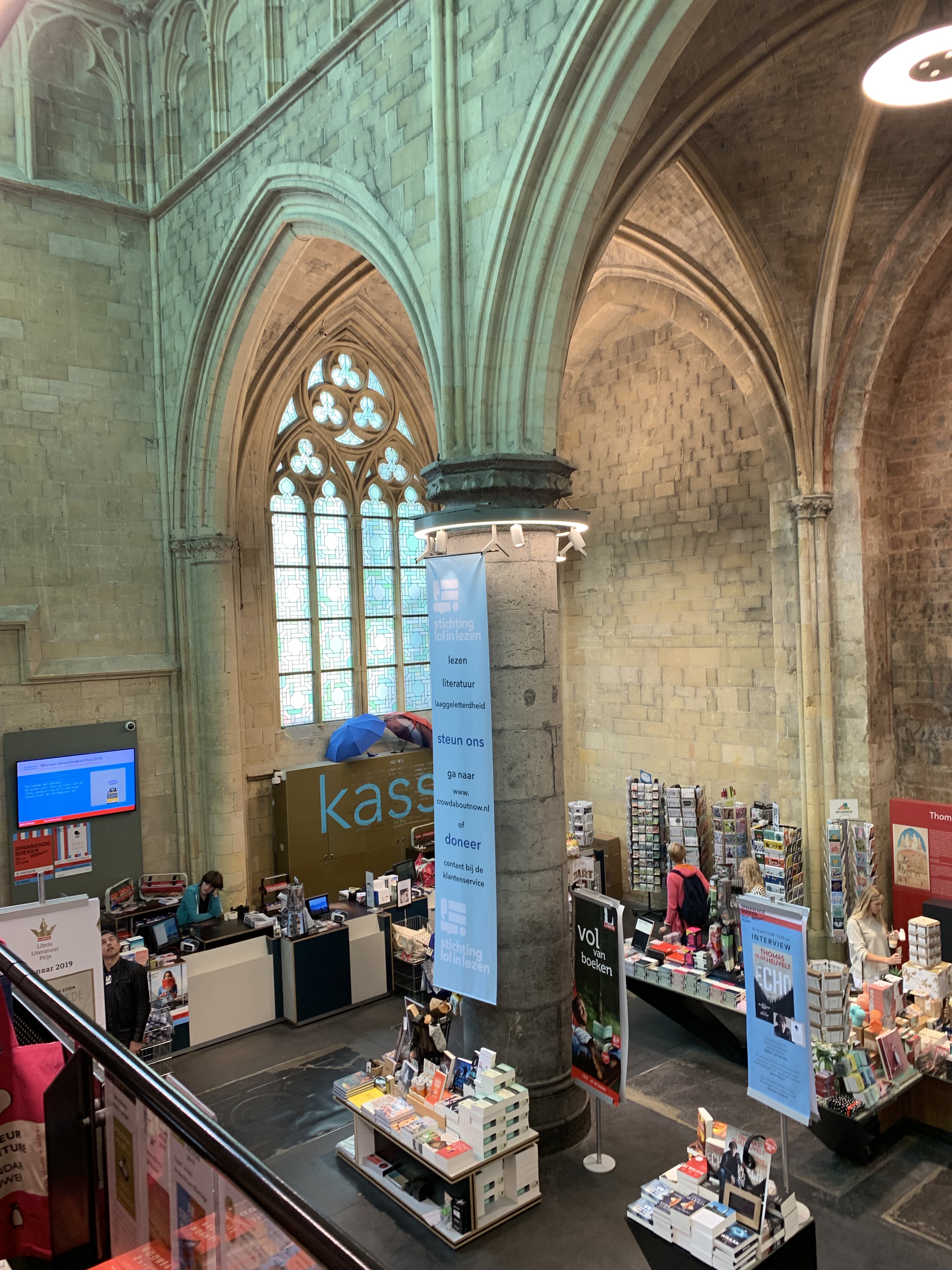
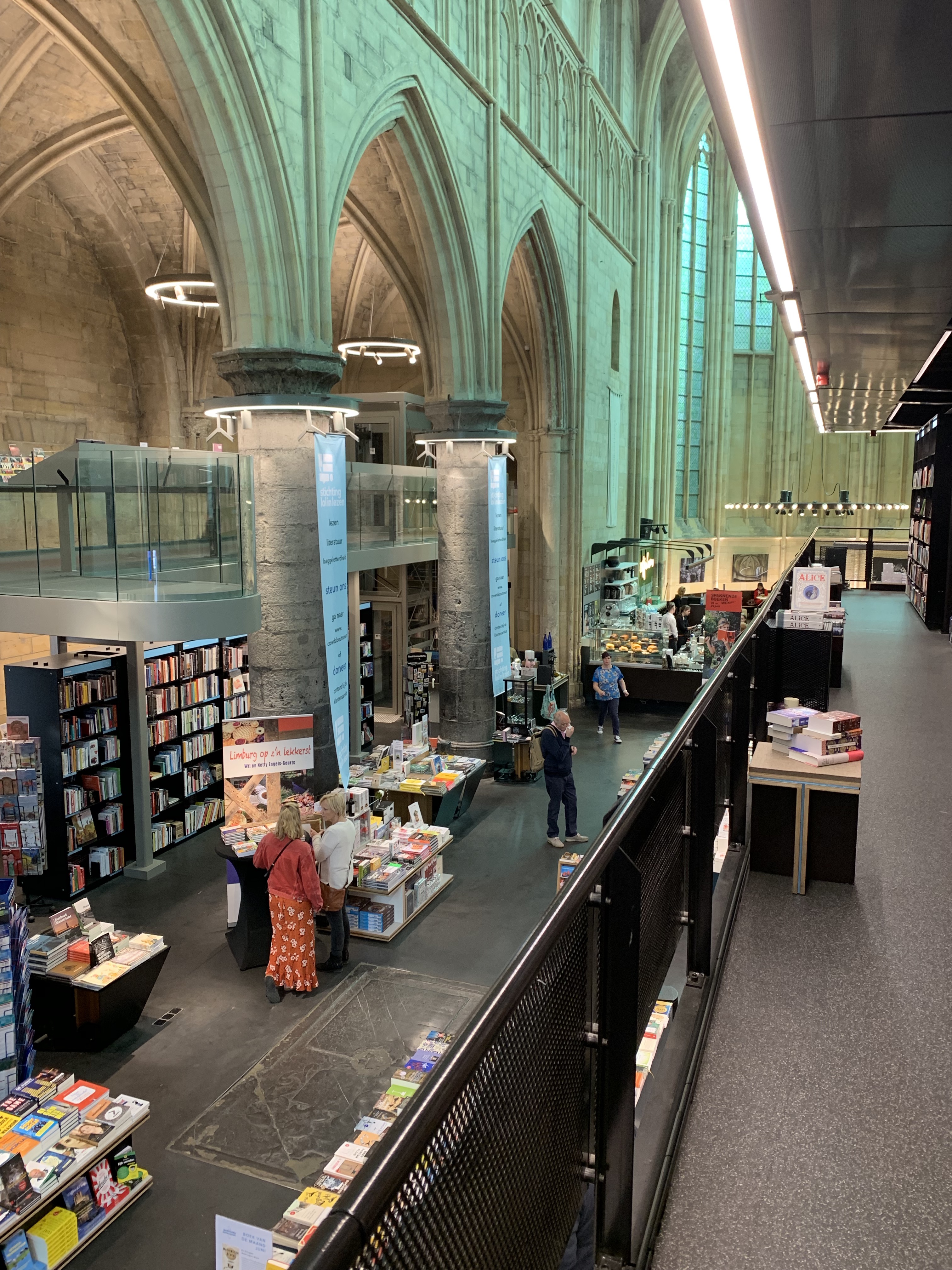
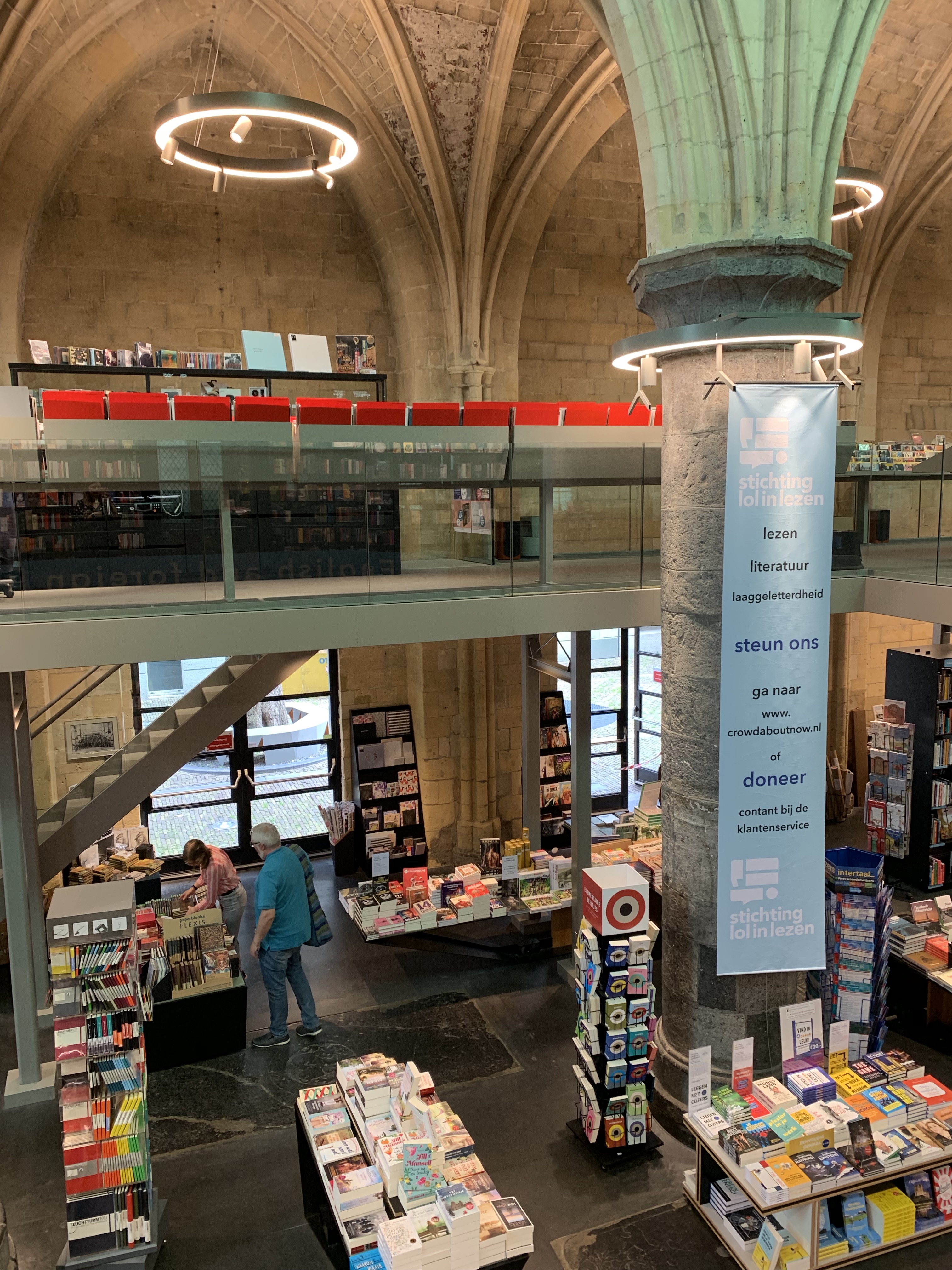
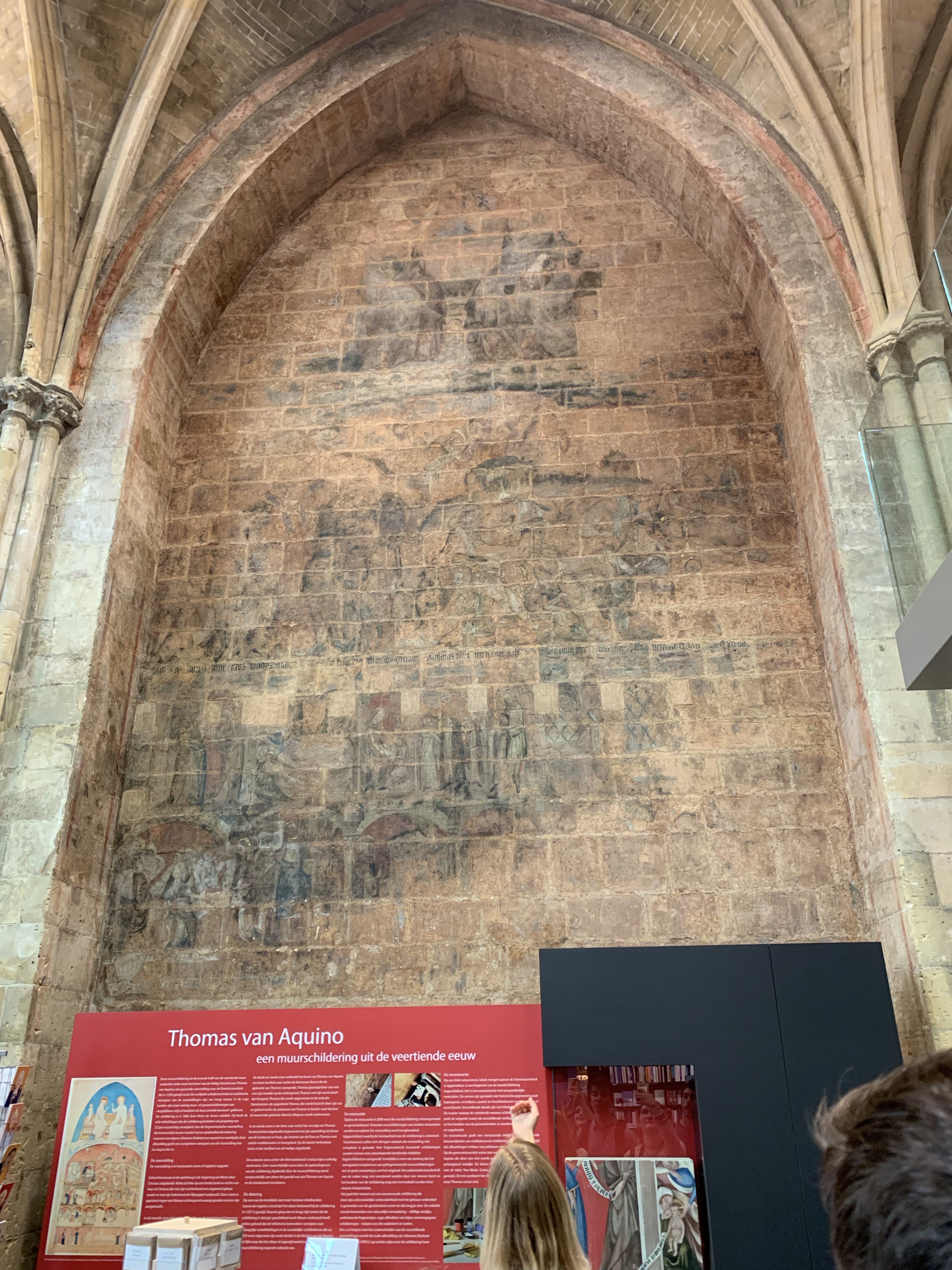
For my first site visit with my International Environmental Laws and Sustainability and Global Corporate Leadership class, I went to Boekhandel Dominicanen, which was once a Gothic monastery church built in the 13th Century. It has since been repurposed into ‘the worlds most beautiful bookstore’, that contains new and second-hand books, including books in English, French, Spanish, German and Italian along with CD’s, DVD’s, and Vinyl’s (LP’s). On the northern wall I was also able to see the oldest known wall painting depicting the life of St. Thomas Aquinas (Dominican and philosopher) from 1337.
At Boekhandel Dominicanen, I learned about CoffeeLovers espresso bar (aka the Starbucks of the Netherlands) that holds business at the choir of the bookstore. The Blanche Dael family who owns the business runs exemplary Corporate Social Responsibility (CSR). They are involved in fair trade and provide safe living conditions for the farmers and their families. An example of their CSR, is their recent supportive campaign to help children in Guatemala to go to primary school and their recent scholarship grants to four young, Guatemalan students who aspire to be coffee farmers.
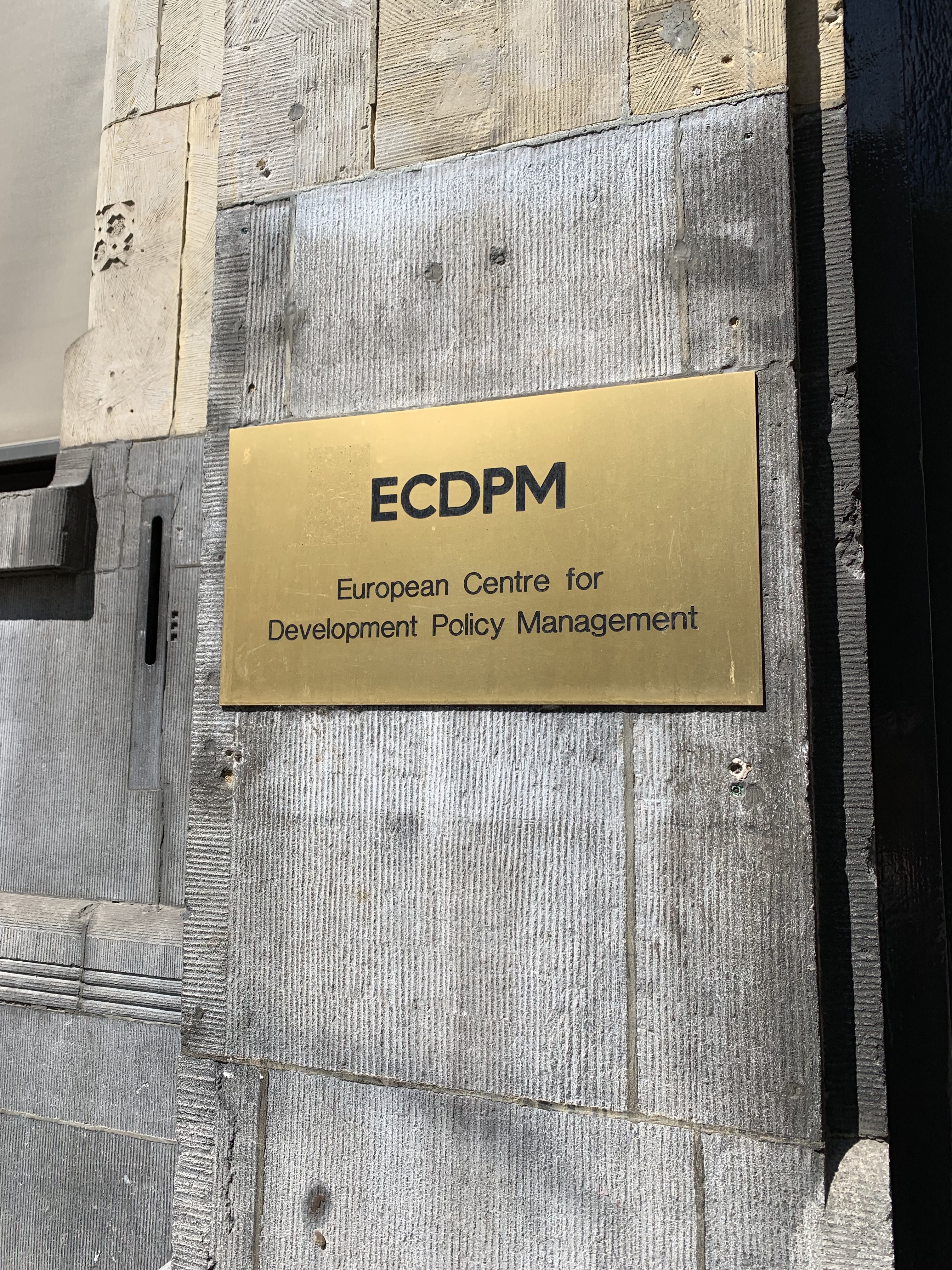
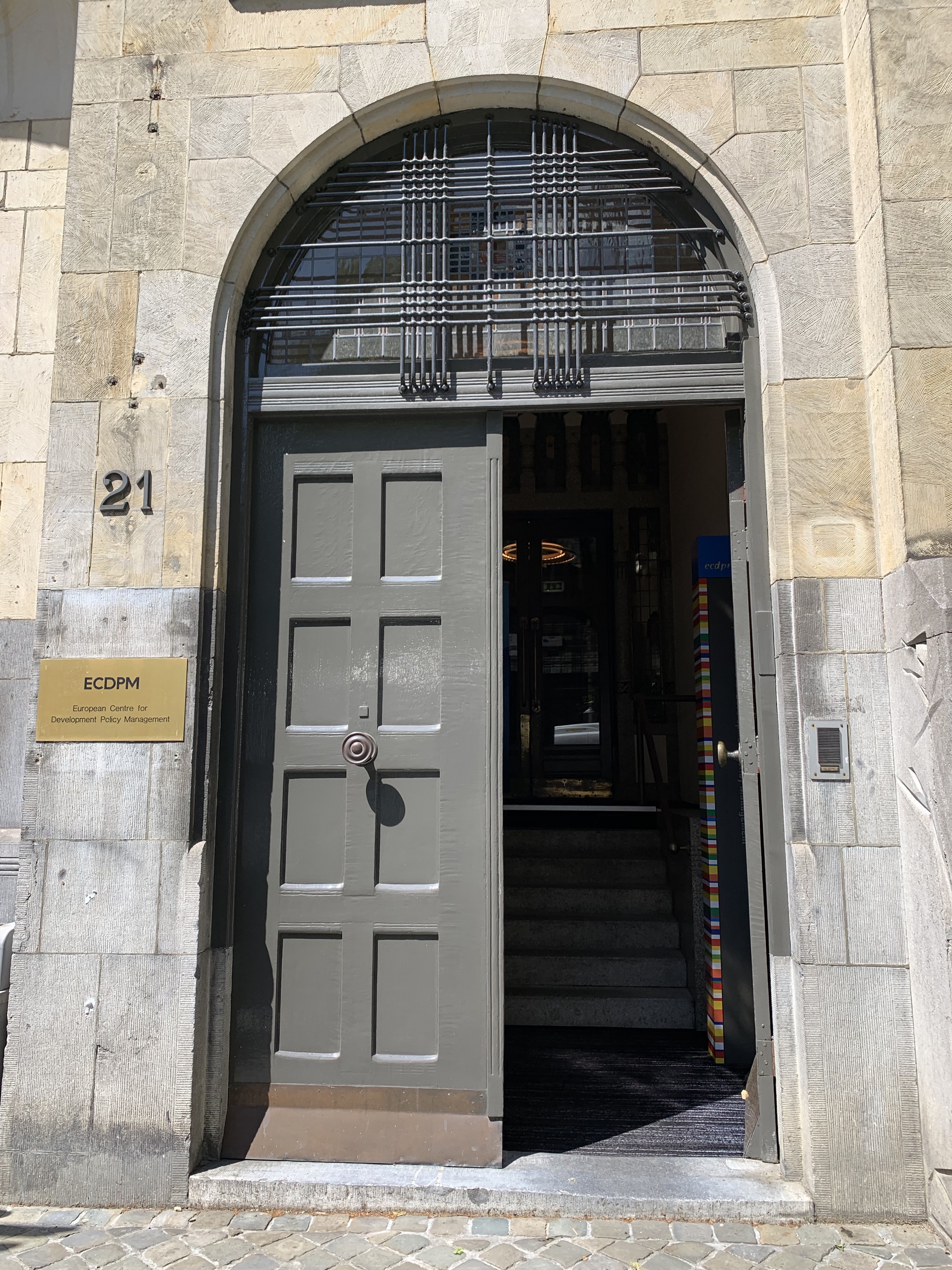
For my second site visit with my International Environmental Laws and Sustainability and Global Corporate Leadership class, I went to The European Centre for Development Policy Management (ECDPM), an Non-Government Organization (NGO) “think-and-do-tank” that uses their expertise to help African leaders establish policies to benefit their communities and monitor and support development co-operation between the European Union and African, Caribbean, and Pacific countries.
ECDPM’s main areas of work include EU external affairs, peace and security, African institutions, migration, food security, economic transformation and economic diplomacy. Their aim is to promote inclusive forms of development and cooperates with public and private sector organizations to better manage international relations. It also supports the reform of policies and institutions in both Europe and the developing world.
Laws That Address Solid Waste Pollution And Hazardous Waste
In class, I learned about the Basel, Rotterdam and Stockholm conventions, which are multilateral environmental agreements, which share the common objective of protecting human health and the environment from hazardous chemicals and wastes.
Basel Convention
Adopted on March 22, 1989 and entered into force on May 5, 1992 in Basel, Switzerland, the Basel Convention on the Control of Transboundary Movements of Hazardous Wastes and Their Disposal was created to protect people and the environment from the negative effects of the inappropriate management of hazardous wastes worldwide. It is the most comprehensive global treaty dealing with hazardous waste materials throughout their lifecycles, from production and transport to final use and disposal.
As of October 2018, 186 states and the European Union are parties to the Convention. Haiti and the United States have signed the Convention but not ratified it.
Rotterdam Convention on Prior Informed Consent
Adopted on September 10, 1998 in Rotterdam, Netherlands and entered into force on February 24, 2004, the Rotterdam Convention on Prior Informed Consent for Certain Hazardous Chemicals and Pesticides in International Trade provides Parties with a first line of defense against hazardous chemicals that have been banned or severely restricted for health or environmental reasons. It promotes international efforts to protect human health and the environment as well as enabling countries to decide if they want to import hazardous chemicals and pesticides listed in the Convention.
There is a total of 51 chemicals listed in Annex III, 36 are pesticides (including 5 severely hazardous pesticide formulations) and 15 industrial chemicals. Some examples include: Asbestos, Binapacryl, Chlordane, Ethylene dichloride, Fluoroacetamide, Hexachlorobenzene, etc.
As of October 2018, the convention has 161 parties, which includes 158 UN member states, the Cook Islands, the State of Palestine, and the European Union. The United States have signed the Convention but have not ratified it.
Stockholm Convention on Persistent Organic Pollutant
Adopted May 21, 2001 and entered into force on May 17, 2004, the Stockholm Convention on Persistent Organic Pollutants (POPs) is a global treaty to protect human health and the environment from highly dangerous, long-lasting chemicals by restricting and ultimately eliminating their production, use, trade, release and storage.
Key elements of the Convention include the requirement that developed countries provide new and additional financial resources and measures to eliminate production and use of intentionally produced POPs, eliminate unintentionally produced POPs where feasible, and manage and dispose of POPs wastes in an environmentally sound manner.
As of June 2018, there are 182 parties to the Convention, (181 states and the European Union). The United States have signed the Convention but have not ratified it.
 Sarah's European Voyage