
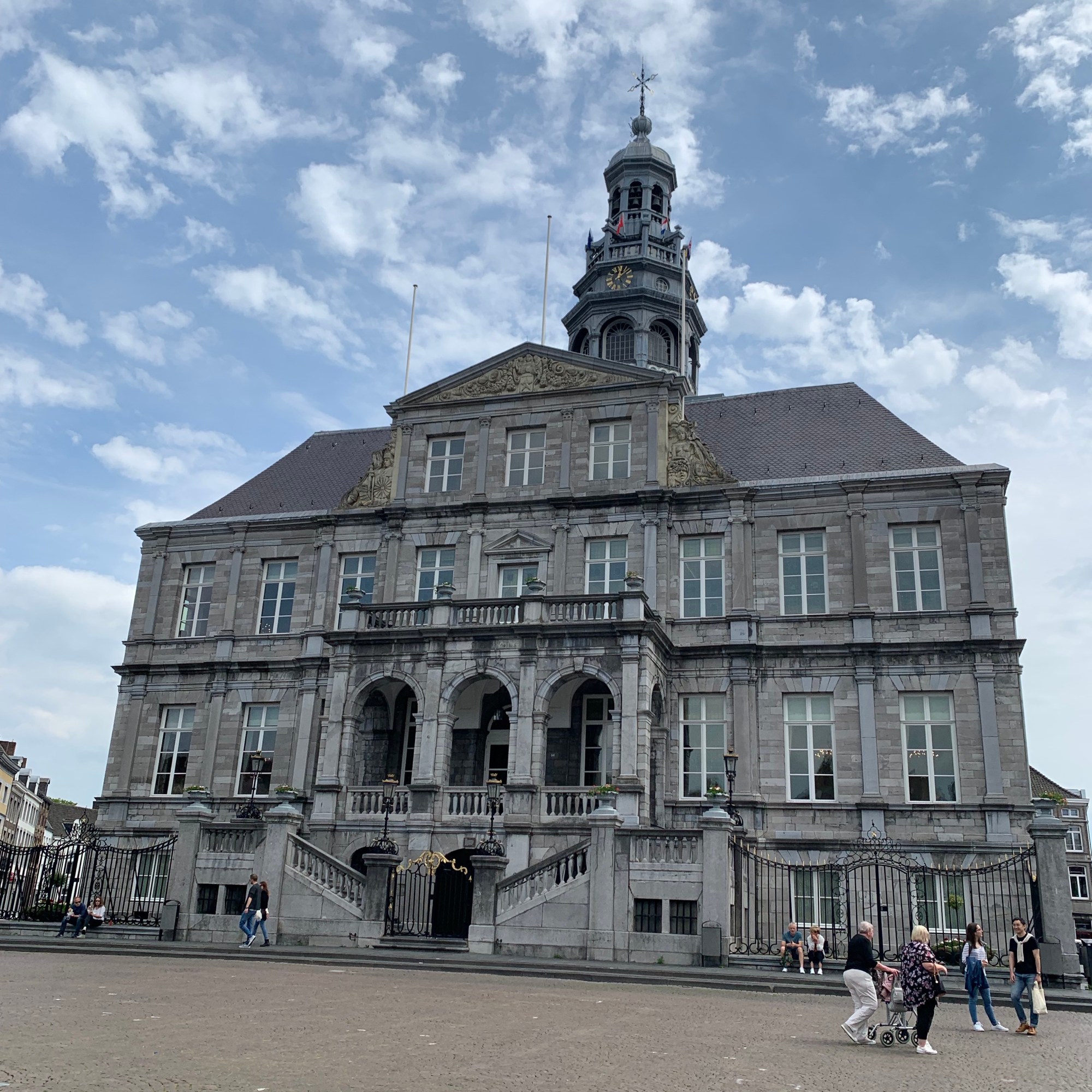
Having been to Amsterdam, I knew The Netherlands itself is a beautiful country. Rolling plains that gently curve as far as one can see, with large farms overlooking them. Taking a walking tour around the city of Maastricht though, I was amazed by how clean and wonderfully scenic the little town is. The city is surrounded by cobbled roads, graceful architecture, pleasantly cool weather, and smiling and helpful people. It felt wonderful to be walking around – I felt welcomed just looking at people, who would smile at me and greet me, warmly and genuinely, if I met their eyes for a few seconds. There’s an aura of peace to the whole city; you don’t see anyone madly rushing anywhere, just people calmly cycling along down the roads, politely stopping a few meters before they see a pedestrian crossing the road, and in general looking as if they are content with life. I can understand the sentiment – it’s hard not to feel content when you’re enjoying the breeze while looking over the river Maas, and listening to a violinist or pianist performing on the bridge for a few coins. For my first study abroad trip, I doubt I could have been lucky enough to find a better place to study international environmental law and sustainability and global corporate leadership.
Like any new country or city, however, there are cultural things that you may not like, feel uncomfortable with, or simply seem odd compared to things that you are used to in your home country. For instance, it’s a bit refreshing that Dutch people are straight-talkers, though their directness and somewhat brutal honesty, especially at restaurants, does come as a bit of a shock and is something that I somewhat dislike. For example, when ordering tap water, the waiter insisted on a bottle of water instead for the whole table, which cost €5. When I said that’s okay, I won’t have anything to drink (since I had my water bottle), she frankly said that I needed something to drink, so I went ahead and ordered the bottle of water.
Some similarities between Georgia and Maastricht (or the United States and The Netherlands includes the following:
Language
Although the language spoken in Maastricht is primarily Dutch, nearly everyone in the city of Maastricht speaks good English. Additionally, English and Dutch linguistics are also very similar. We say cookie and the Dutch say koekje (versus the British biscuit and Italian biscotto).
Religion
Both Georgia and Maastricht have strong ties to Christianity. In Georgia, approx. 80% of the population is Christian. In Maastricht, Christianity makes up 65.1% of the population, of whom 92.31% are Catholic.
Individualism, Power Distance, Indulgence, and Uncertainty Avoidance
Georgia (along with the United States) and Maastricht (along with the Netherlands) are virtually identical in the key areas of individualism, power distance, indulgence, and uncertainty avoidance. While the Dutch rate much lower in masculinity and much higher in femininity and long-term orientation, the profiles reveal that the cultures essentially feel the same in most key business values.
Some differences between Georgia and Maastricht (or the United States and The Netherlands includes the following:
Bikes
In Maastricht, and other cities in the Netherlands, riding a bike is the primary form of transportation. With approximately 18 million bicycles, there is an average of 1.3 bicycles per person in the Netherlands whereas bicycles are nearly non-existent in the USA with only 12.4% owning a bike.
Languages
Unlike Georgia and the rest of the United States who (for the most part) solely speak English, the natives of Maastricht are more likely to be well-versed in additional languages than the Dutch in other areas of the country. It is common for people in Maastricht to speak Dutch, German, French, and English.
Grocery Shopping
Apart from having to bring your own grocery bags or paying for some reusable ones, in Maastricht, there are several grocery stores in and around the city, so I can always find someplace close to the guesthouse or on my way out. Back home in Georgia, I usually shop once or twice a week, plus some small grocery runs if I am taken with a sweet tooth or a baking urge spur of the moment. However, in Maastricht, it is normal for students and young couples, especially to stop at the grocery store every evening to pick up what will comprise dinner that night. Initially this seemed impractical and less efficient; however, I suppose it could be quite convenient because you get the best deals on produce for that day and you are assured you’re eating the freshest food.
Transportation
Unlike in Georgia (and the rest of the United States), Maastricht’s subways, streets, national highways, and utilities are in excellent shape. The system here is highly efficient. Trains, though sometimes late, are frequent and modern and provide an accessible way to get around at a relatively inexpensive cost. The streets are also cleaned frequently and trash is can be seen collected regularly when walking around the city center.
Air Conditioning
Unlike Georgia and the rest of the United States, which has air conditioning in almost every home, apartment, school, and office building. In Maastricht and other parts of the Netherlands, it is rare to find houses, apartments, schools, and office buildings with AC units. This is due in part to the country’s relatively mild year-round climate with no extremes in temperature but could also be because AC units are considered huge energy guzzler that help drive the production of greenhouse gases, which are blamed for pushing up global temperatures each year.
Freedom
This is probably the most significant difference between Georgia and Maastricht (or the United States and The Netherlands). In the United States, “freedom” is increasingly defined by the Far Right’s freedom to dictate to Americans what they can and can’t do. We are free to carry guns, indulge in hate speech with impunity and discriminate openly against groups they dislike. We are also free to go without healthcare, unopposed by a tyrannical social safety net. In the Netherlands, however, people are not free to do any of those things. Nevertheless, they are free to enjoy unfettered access to all the things the Dutch believe make for a stable and productive society including education, healthcare, a social safety net, a safe and secure environment, and jobs.
Walking Tour
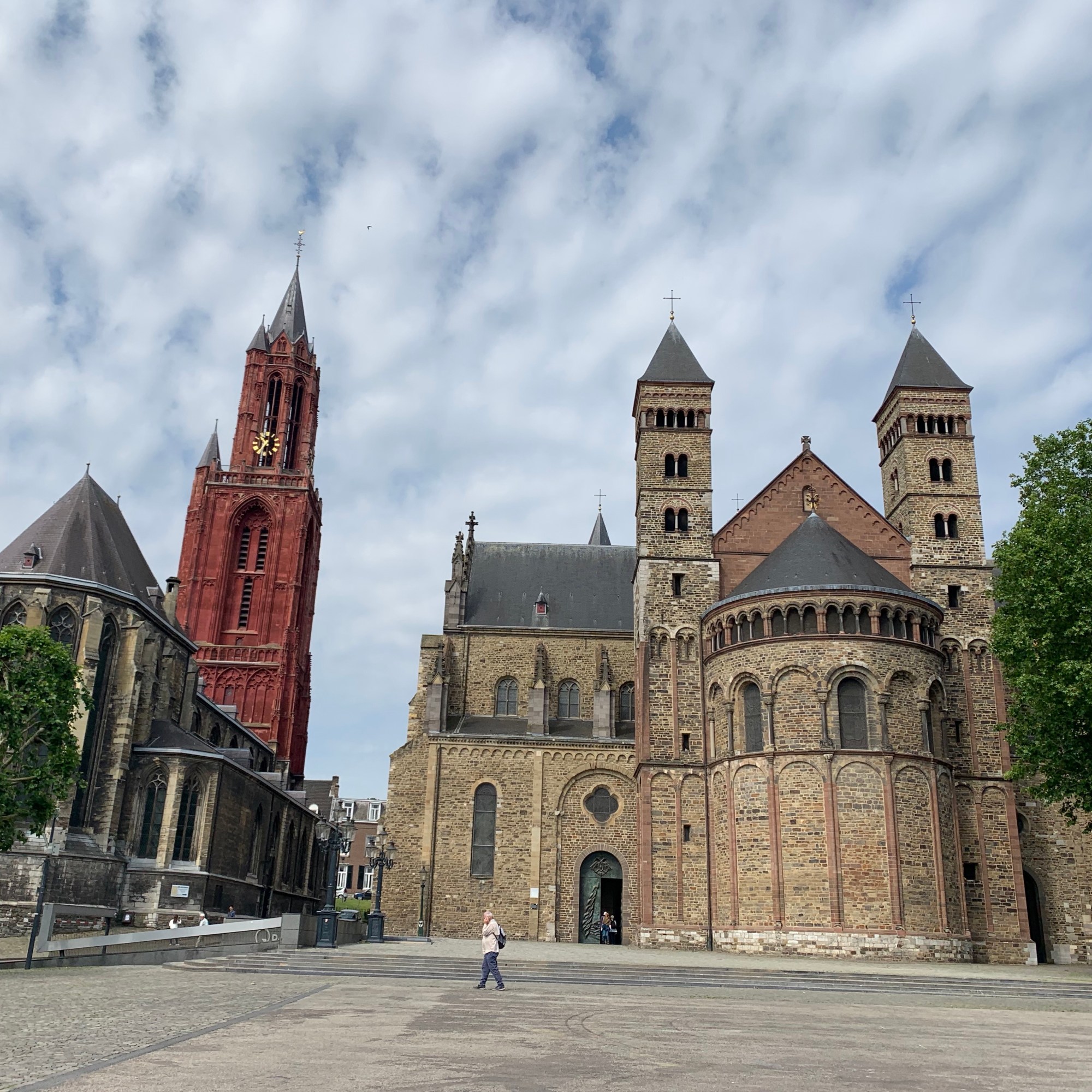
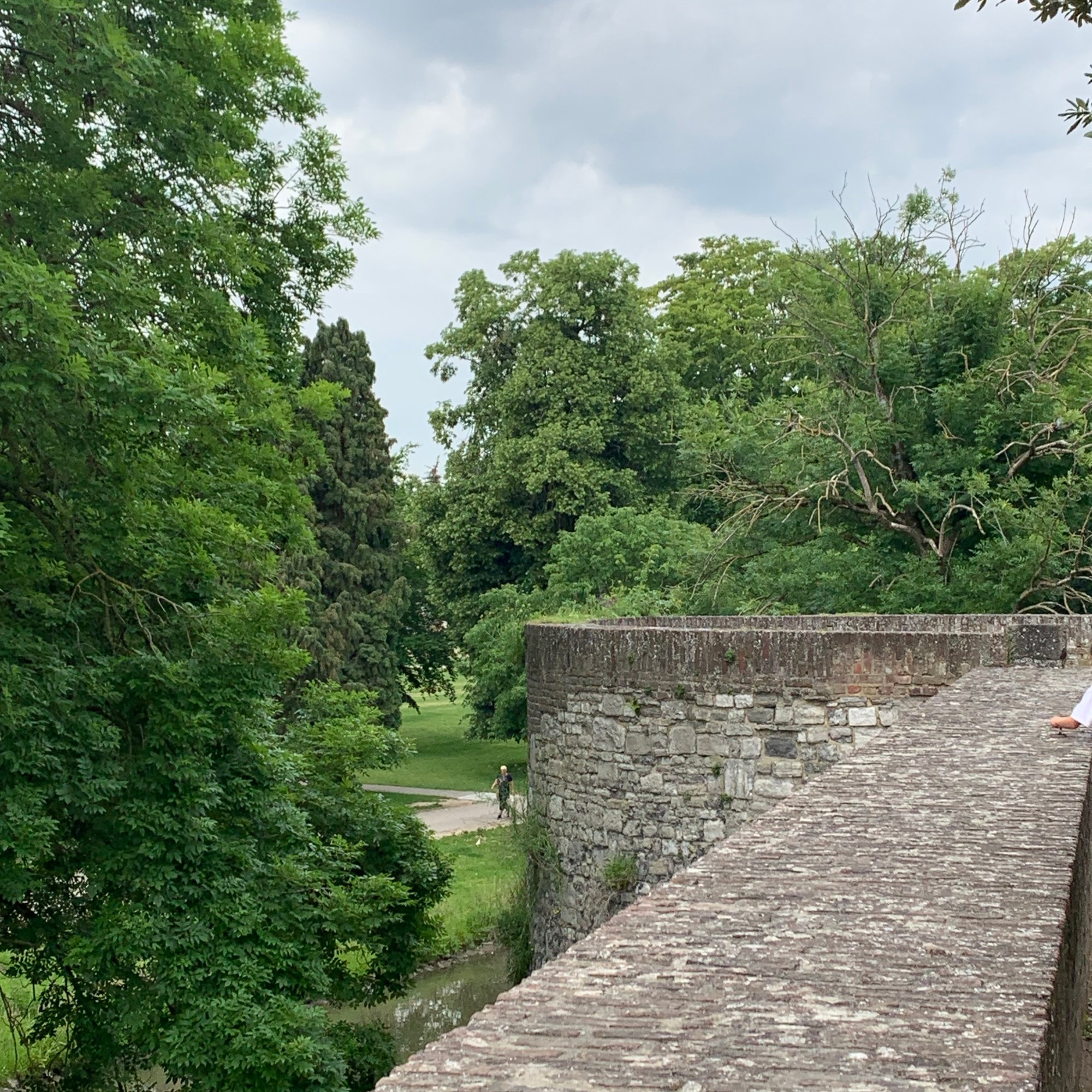
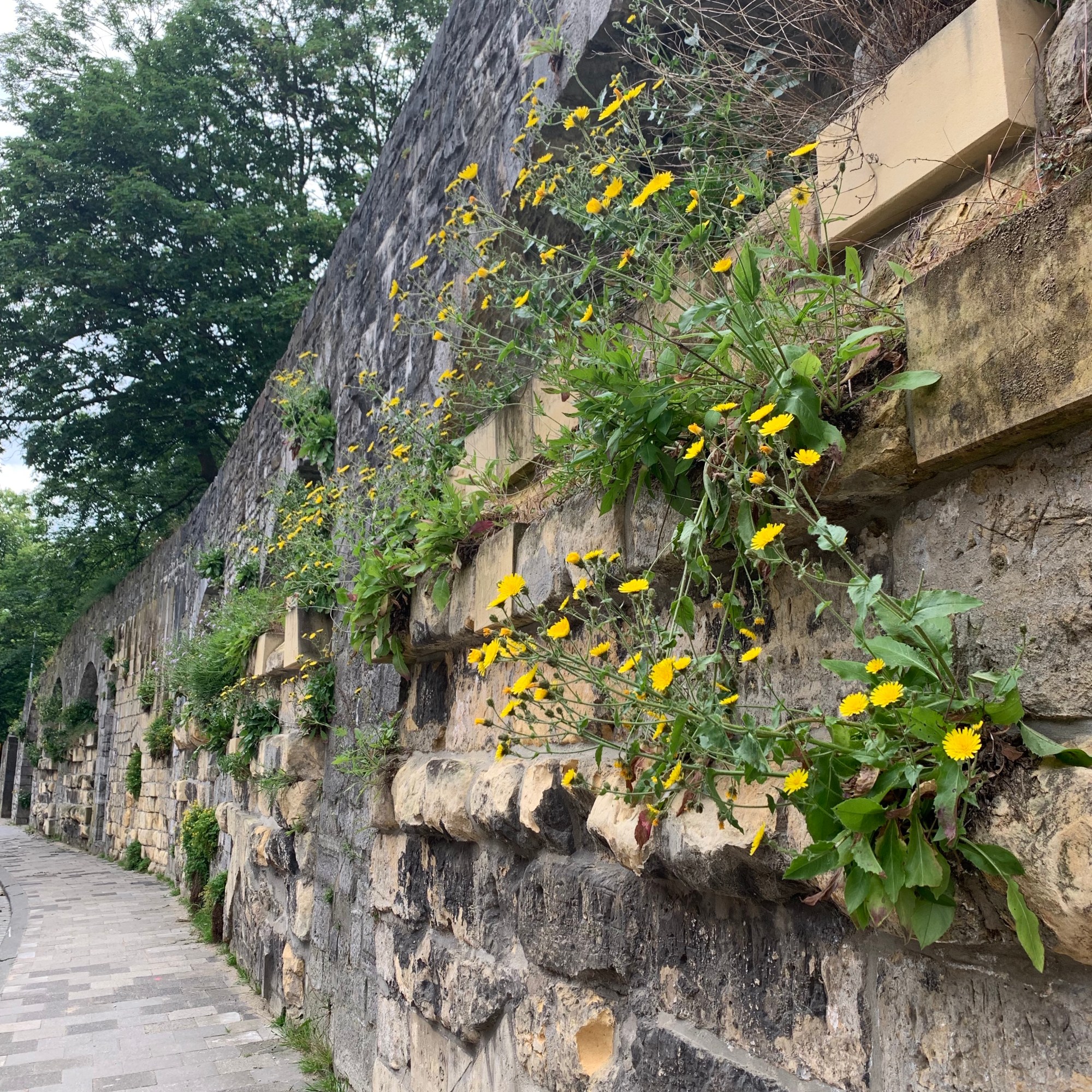
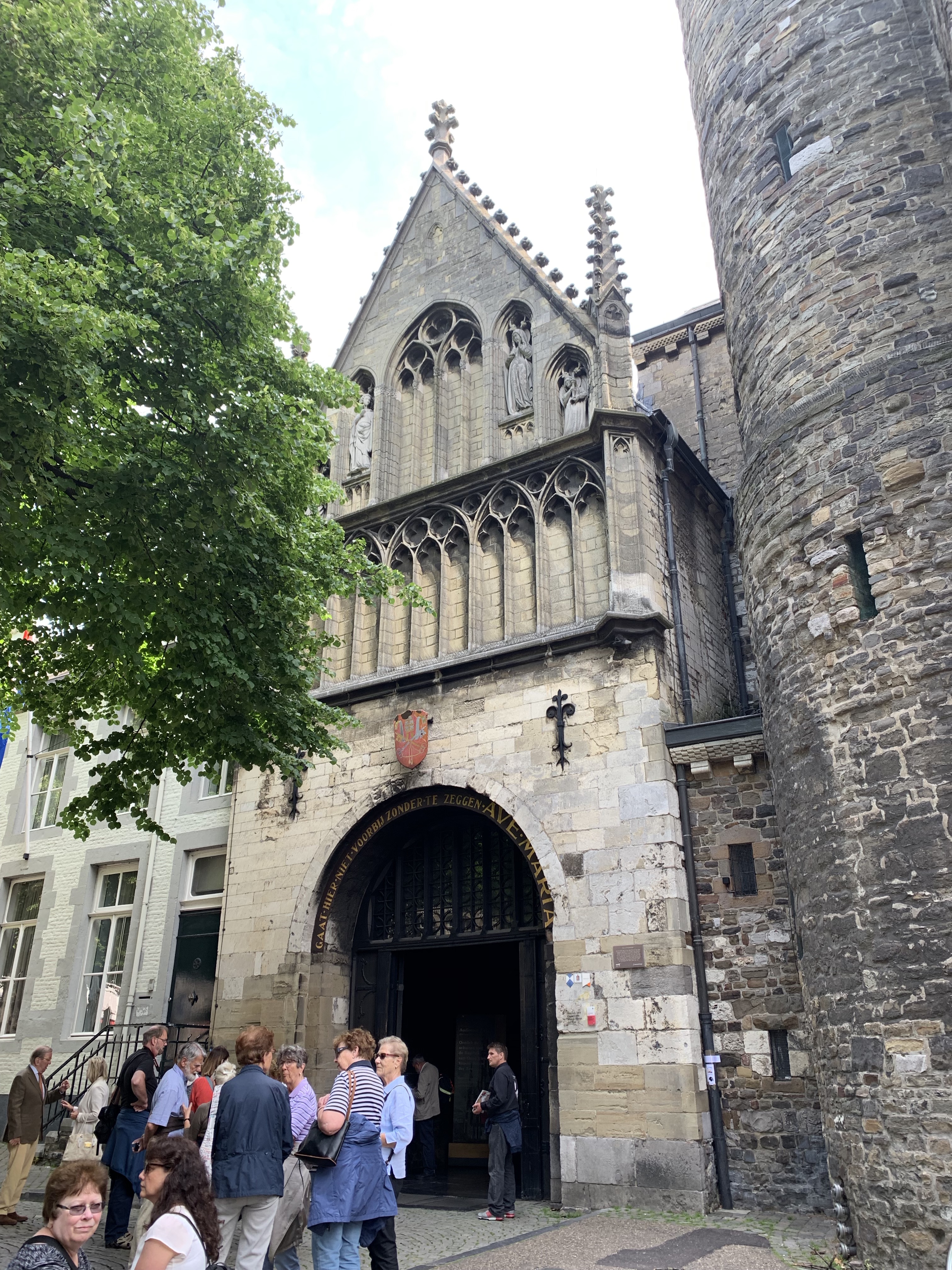
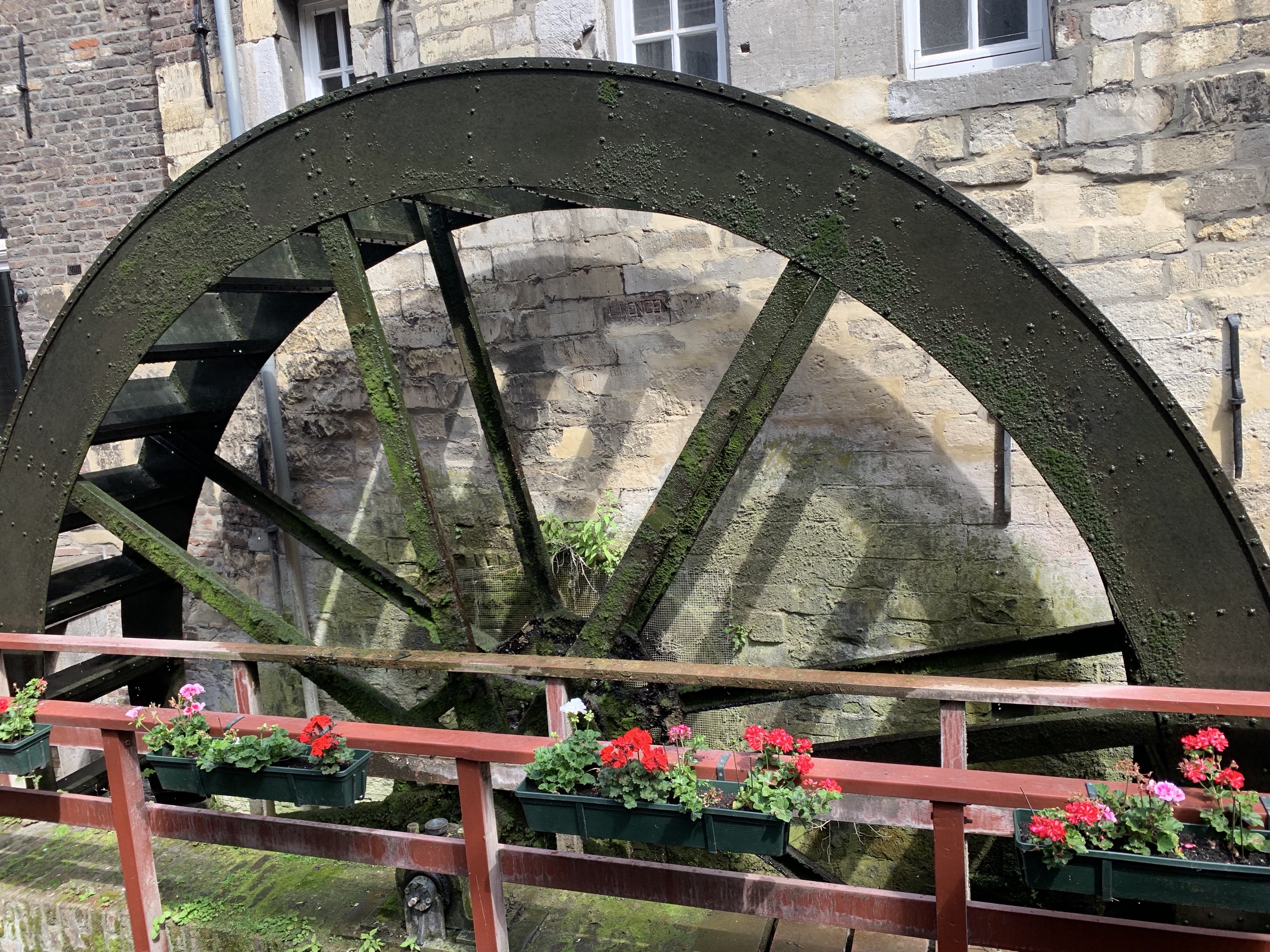
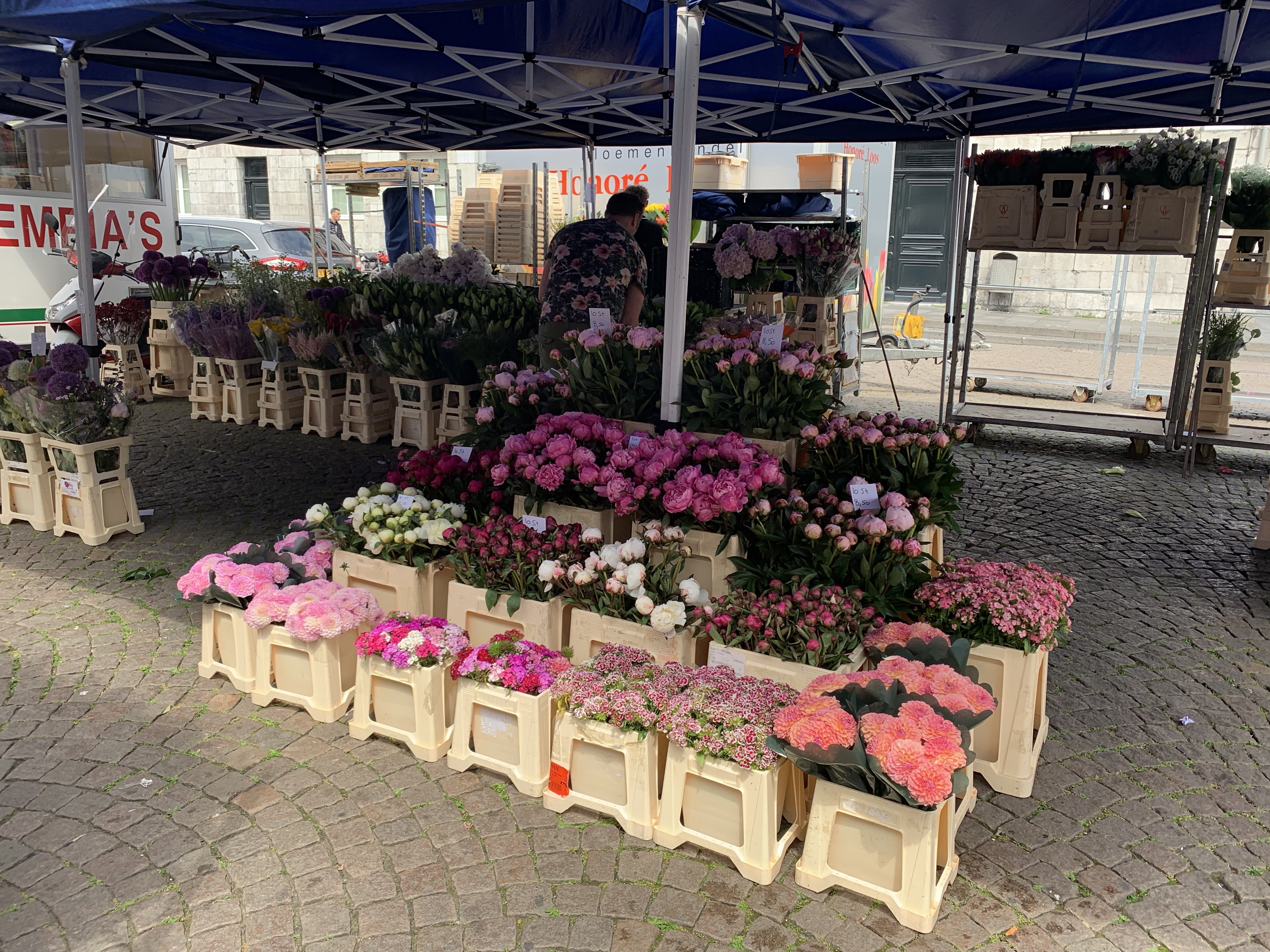
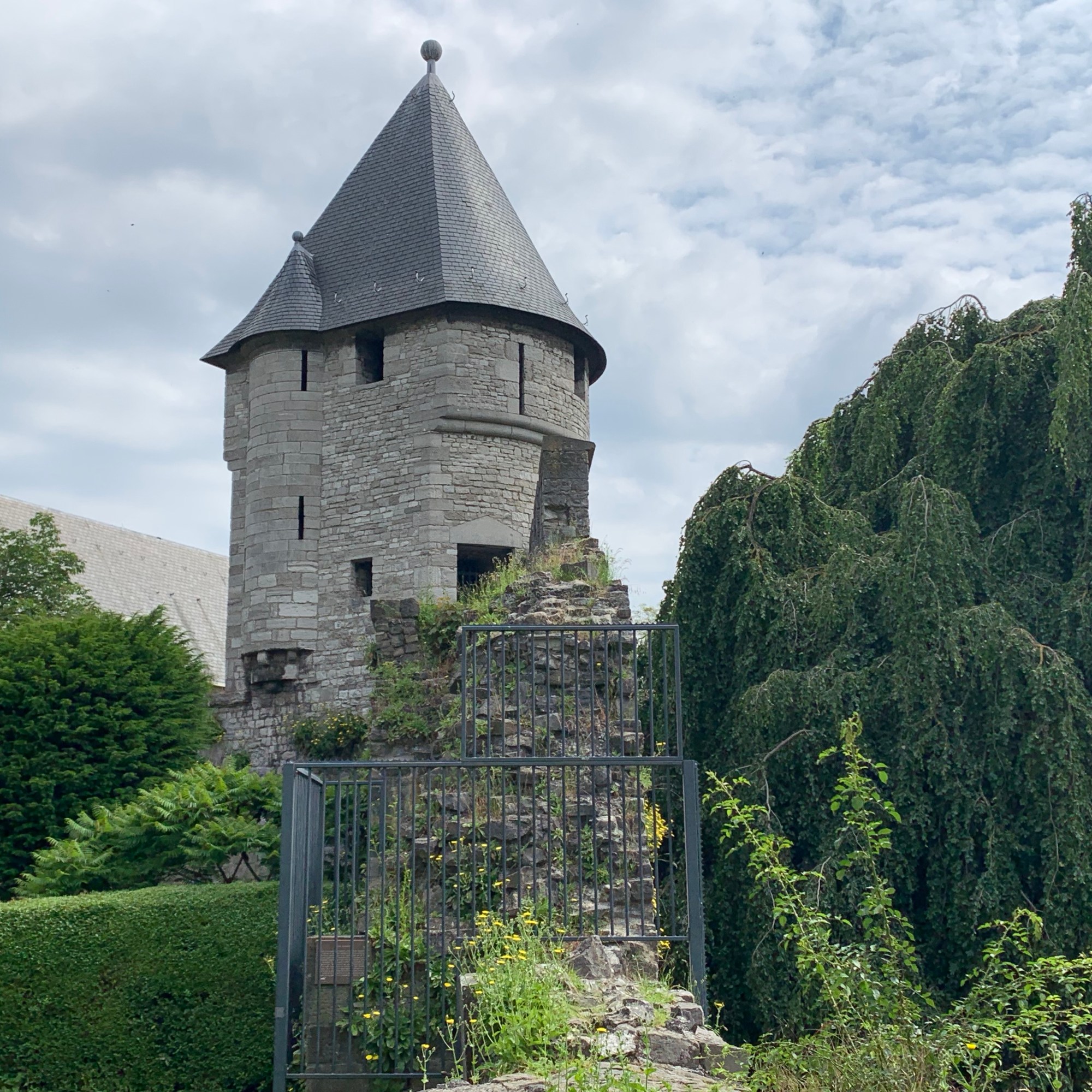
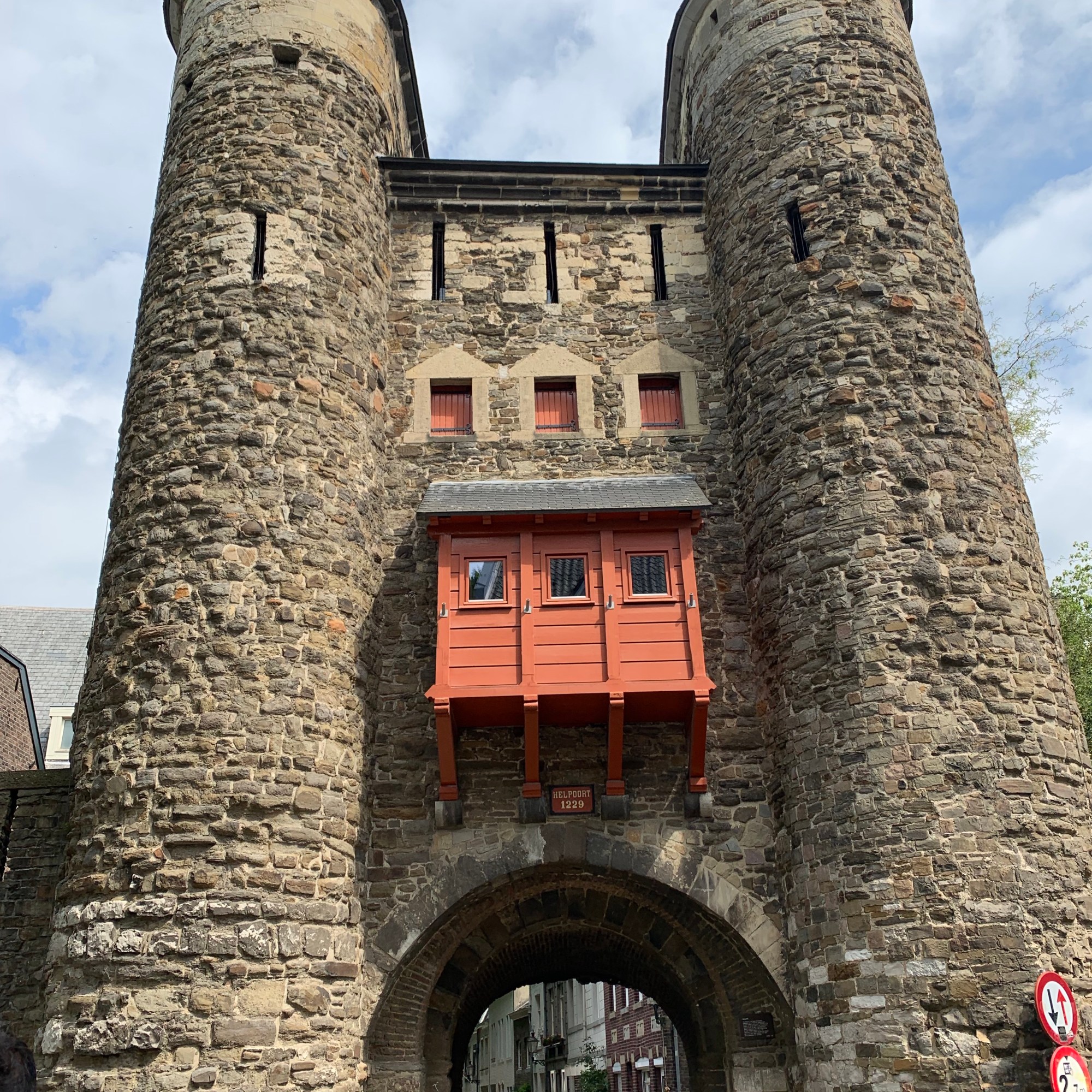
During our walking tour, I was amazed by all the historical highlights of the city from Vrijthof (main square), Jeker Quarter, Helpoort (also known as Hell’s Gate), Bisschopsmolen (water mill) to the Market Square, Sint Servaas bridge, Stokstraat Quarter, the Basilica of our Lady, and Boekhandel Dominicanen. Two personal highlights of the tour for me were (1) learning that Maastricht was once a fortified city and portions of the fortifications of the three city walls still remain, the last one forming the outer ring of the modern downtown. Wall lizards (a protected species in the Netherlands) live in the walls of these old fortifications. (2) Commissioned by Henry I in 1229, Helpoort, or Hell’s Gate, is part of the First City Wall and served as the southeastern entrance to the city. It is the oldest city gate in the country and got its name because prisoners were kept in its tower.
Corporate Social Responsibility and Sustainability Initiatives
Phillips
Phillips’ approach to sustainability considers both the needs of people and the ecological capacity of the planet. They create value by delivering products that have a positive impact on the health and well-being of the people touched by them, and on the planet. They continue to invest in improving their operations and in helping communities to enjoy a better life. Achieving their sustainability goals requires a new way of doing business that moves away from the traditional linear economy (take-make-break) towards a holistic, circular economy.
In developing their approach to sustainability, they adopted a WWF Living Planet Report. The WWF Living Planet Report looks into the UN Human Development Index (HDI) – a measure of a country’s achievements based on economic, health and social indicators – as well as the ecological footprint of each nation on the planet. The model highlights the finite nature of Earth’s natural resources and the need for smarter solutions to meet human needs. To address this issue, they develop sustainable innovations that consider both people’s needs and the ecological capacity of the planet. Innovations that improve people’s health, well-being and quality of life, while reducing the ecological impact of their products, solutions, and operations. Their ultimate goal is a healthier and more sustainable world and improve the lives of 3 Billion people by 2030.
Heineken
Heineken believe sustainability is a driver for business success and that business can be a positive force for change. Their sustainability strategy – Brewing a Better World – is one of their four business priorities. From energy innovations to inspiring positive social change and challenging public perceptions – it unites their global brands to respect people and the planet while pioneering new ways to tackle society’s challenges.
Since 2008, Heineken has cut average water consumption in their breweries by 29% and 96.5% of their wastewater is now treated before discharge. They have also exceeded their 2020 target, with CO₂ emissions down 41%. They’re even on track to achieve their carbon commitments for distribution and cooling so now they’re turning their attention on to packaging. Additionally, 50% of their main raw materials came from sustainable sources in 2017. Moreover, 71% of operating companies selling Heineken dedicated 10% of their total media spend towards making responsible consumption cool in 2017 to promote health and safety. They’re driving innovation in the low- and no-alcohol category and transparency on ingredients and nutrition.Lastly, Heineken directly contributed €24m to local communities and we paid €786m in taxes in 2017. Since its launch in 2007, the HEINEKEN Africa Foundation has transformed lives by committing €9.2 million to 104 projects.
BMW Group
As a leader of global premium automobile manufacturers, BMW Group is constantly looking ahead. BMW Group not only integrates sustainability throughout its entire value chain, but also includes Corporate Social Responsibility (CSR) as an integral part of its sustainable development strategy, and in turn achieves the joint sustainable development of corporate, society, and the environment.
Since 2006, the company’s energy usage declined by 36.0%, their water consumption was reduced by 31.3%, their total waste for disposal has been reduced by 78.9%, and their resource consumption and emissions per vehicle produced decreased by an average 48.1%. Their goal is to achieve 45% reduction of resource consumption per vehicle by 2020. Moreover, the amounts of non-recyclable production waste was reduced by 4.3% in 2015 and between 1995 and 2015 average CO2 emissions by the BMW Group’s 3 brands in Europe decreased by 42%. Lastly, €39.1 million was donated as social engagement to various donations in 2015.
After learning about these companies and their Corporate Social Responsibility and Sustainability Initiatives, I would want to be a corporate leader that has generosity of spirit. In other words, I will show humility, listen to others, and demonstrate empathy. I won’t be selfish, intolerant, judgmental, quick to shoot the messenger or find scapegoats, and I won’t sit on the fence to see which way something works out before I decide if I’m going to support it. I will deliver feedback honestly and in a timely manner – I won’t wait six or twelve months for my annual performance review. I will deal with poor performance quickly and perhaps most importantly, I will choose to assume that my colleagues want the best for me personally and for others. I will be generous in my assumptions of their underlying motivations and their intent towards me. Hard as it may be at times, I will assume good intent.
 Sarah's European Voyage