
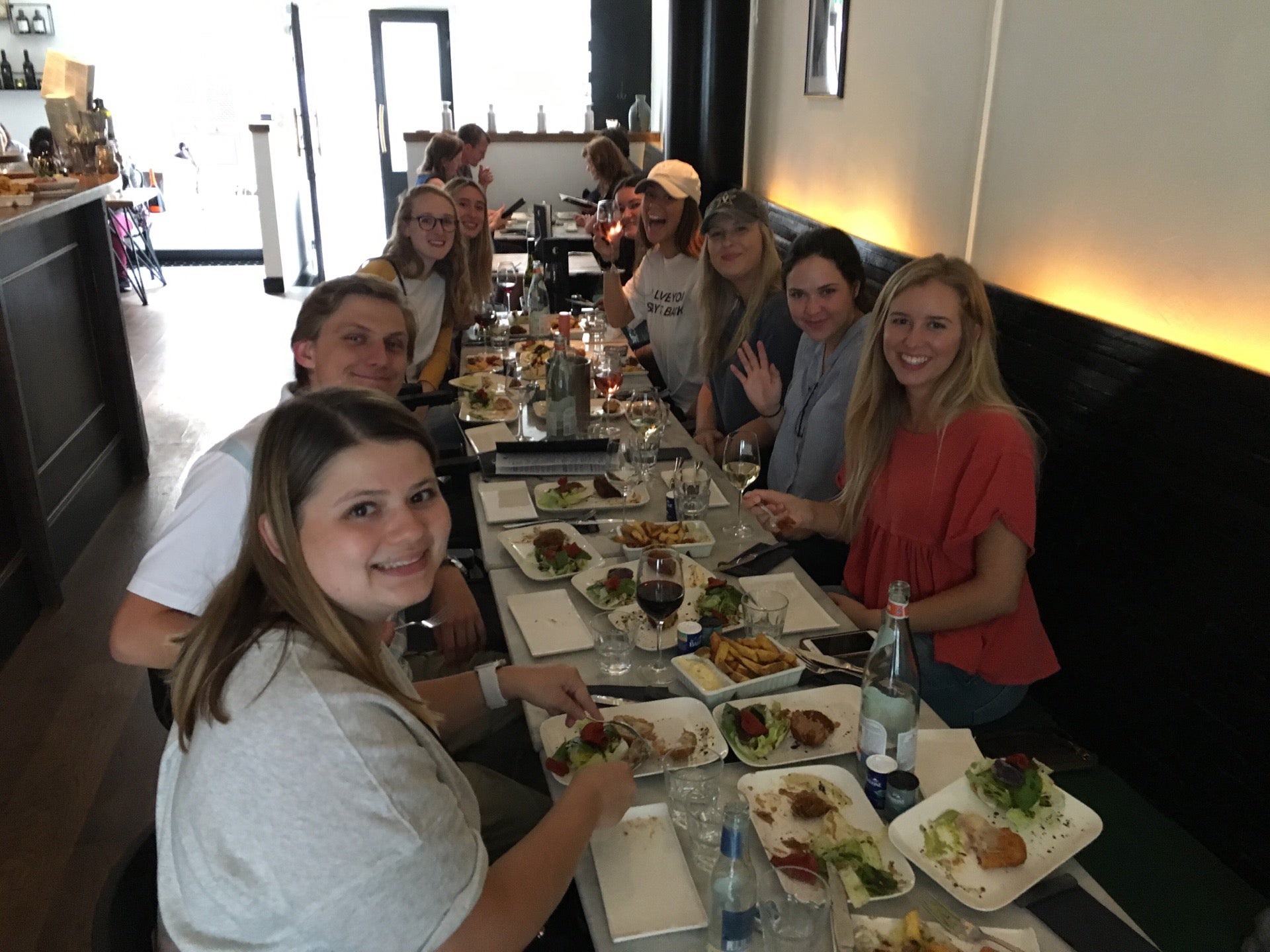
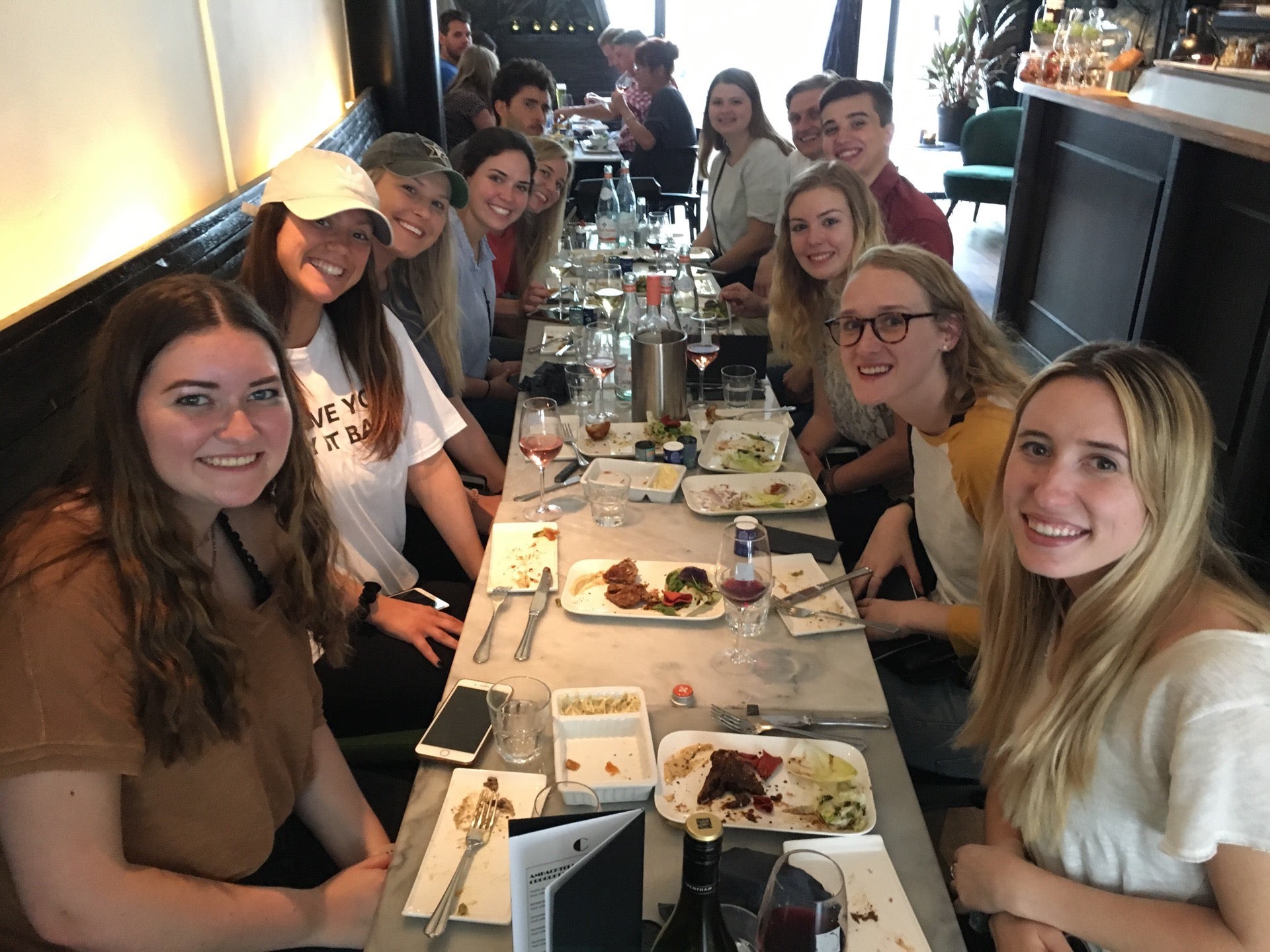
After landing in Brussels at 9:30am and taking three trains, I finally arrived in Maastricht around 2pm in the afternoon. After unpacking my stuff, getting settled, and taking a quick nap before meeting up with my study abroad classmates, we headed over to Bistro Croquant for dinner. At dinner, I noticed that unlike in the USA where ordering water is typically free, in the Netherlands (and most of Europe) you have to pay. To get free water, you have to specify that you want tap water. If you simply ask for water without specifying “tap water” they will give you bottled water (with or without carbonation), which usually costs 1.70 Euros for a .33 liter bottle.
Additionally, the waiters seem to have less incentive to deliver the best possible service compared to the USA. In the USA, waiters are typically told that “the customer is always right” and do everything they can to ensure customer satisfaction. They introduce themselves before taking your order, provide free refills, and periodically check on you to make sure that your food arrived and is to your level of satisfaction. In the Netherlands, however, they don’t introduce themselves, provide refills, or check up on you to make sure that your food arrived and was made correctly or to your satisfaction. Moreover, once finished, you have to go to the front of the restaurants to pay for your meal. They do not typically provide you with a check at your table. I believe this suboptimal service is likely because most waiters in the Netherlands make much more than minimum wage compared to the USA, where waiters rely heavily on tips to make a living.
Furthermore, I have noticed that not only do people in the Netherlands have different dining hours (eating a bit earlier in the USA) but also different dining manners. Unlike the USA were a host or hostess will escort you to your seat, in the Netherlands, you simply seat yourself and then summon a server by raising your hand and making eye contact. Most restaurants in the Netherlands will also include a service charge to your bill, so no additional tip is needed.
Marketing & Advertising
The integration of English in Dutch language is evident in their marketing
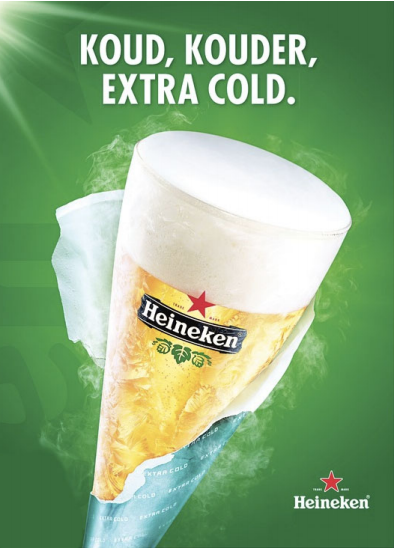
and advertising. Dutch companies seem to regularly use English words and phrases in combination with their own language. Walking through Maastricht, I would consistently see Dutch brands use English words, slogans, and brand names in their marketing communication. For example, on our way to Bistro Croquant for dinner, in front of the Heineken store there was a sign that said “Koud, Kouder, Extra Cold,” which I thought was really unique.
Getting Around
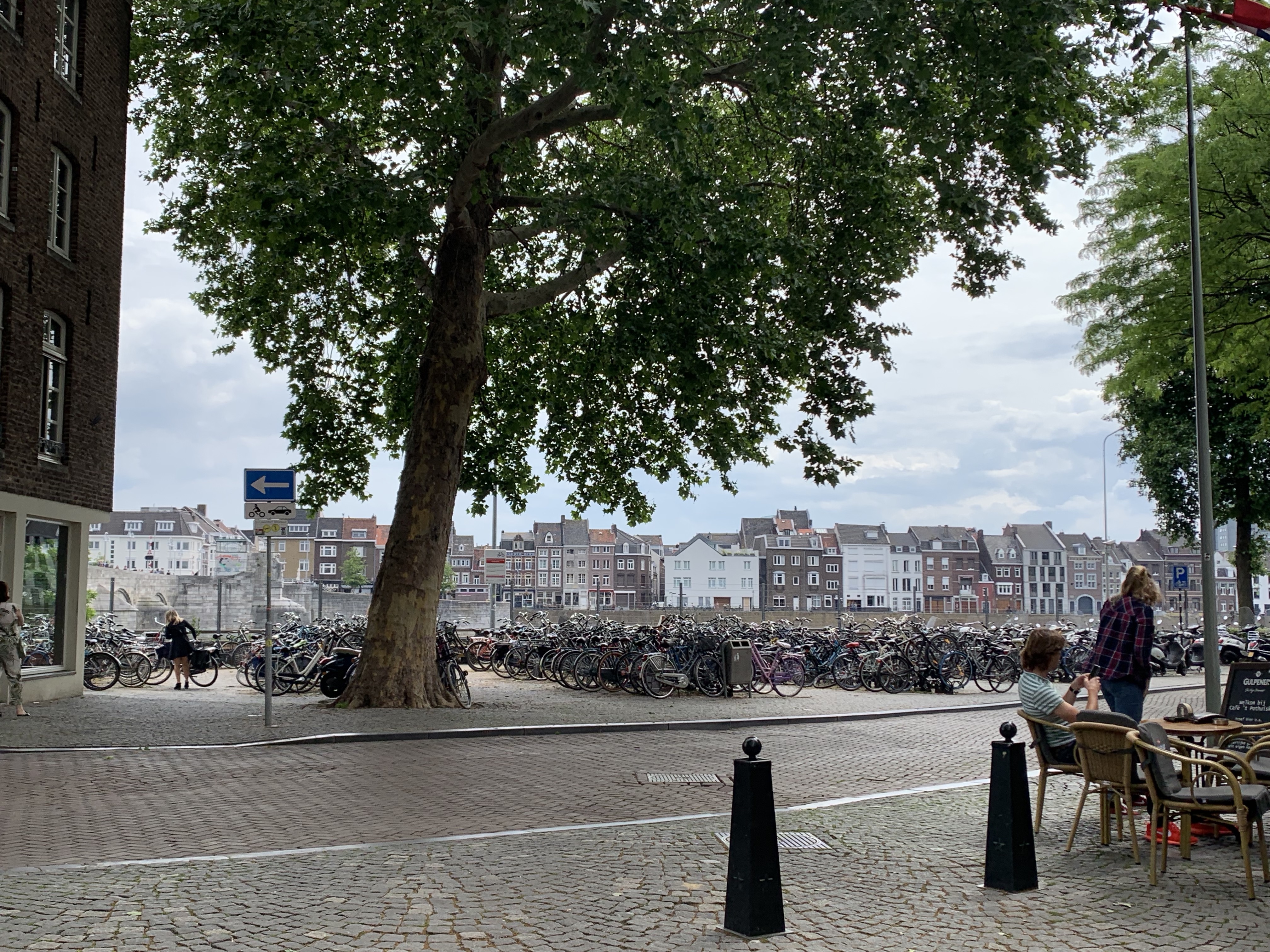
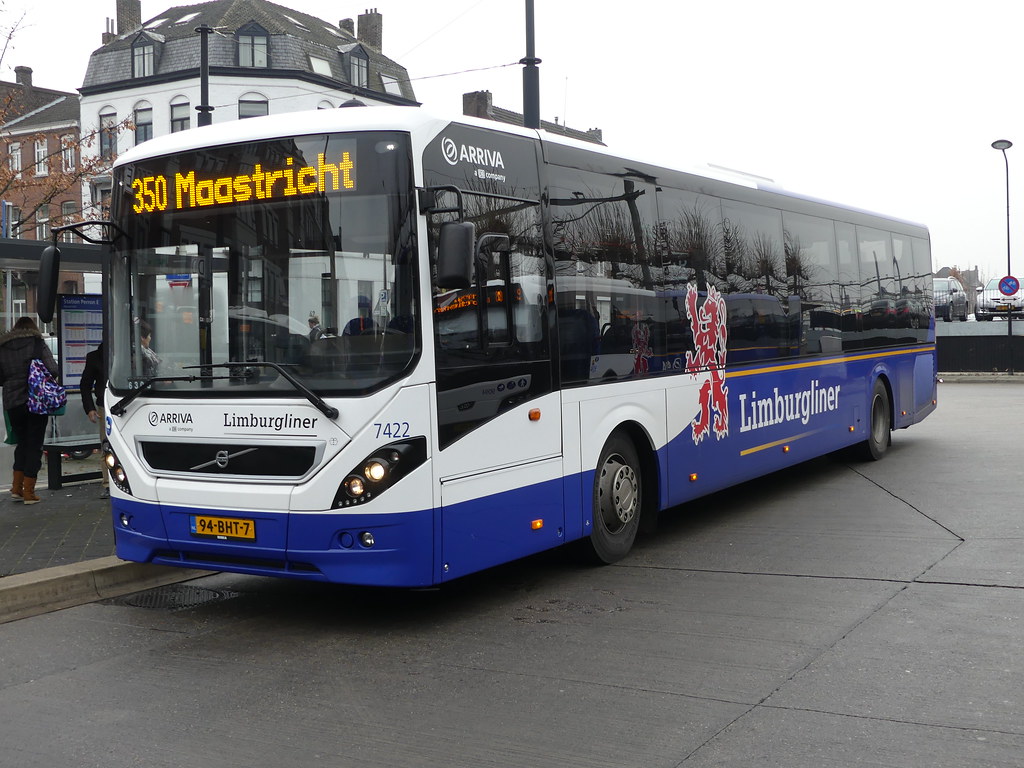
Transportation is really convenient in Maastricht. Everything is within walking distance, the city is extremely bike friendly, and there is no shortage of transportation options—trains, trams, metros, ferry, etc. It only takes about 15-20 minute to walk from the guesthouse to get to the main square (Vrijthof) and to all the shops in town. Additionally, a train ticket from the Maastricht train station to the Maastricht guesthouse takes approx. 10 minutes and only costs 3 Euros.
Clothing & Shoe Styles
Clothing style in Maastricht is definitely more dressy than American style. Women in Maastricht tend to wear dressy or flowy tops or blouses with black, medium thick tights that end at the ankle, a skirt, or a nice pair of slim fitted and dark colored jeans. They tend to wear sandals or boots. Men tend to wear zip-up hoodies with a solid color or cool patterned shirt along with discrete athletic sneakers, not the chunky, white basketball shoes (Air Jordans) that most Americans wear.
Communication
Besides the people in Maastricht having a direct communication style and speaking quite frankly in a straightforward manner, one of the first things I noticed when on the train and at dinner, is the plain, simple language people in Maastricht use when communicating with each other. Unlike people in the USA, who are generally quite enthusiastic, assertive and persuasive in their speech towards one another, the people in Maastricht are less enthusiastic and more plain speaking. They also tend to speak in short sentences in a calmer and more friendly tone of voice.
 Sarah's European Voyage